

Ghanaians are expected to enjoy some relief at the pumps from today, July 1, following a reduction in fuel price floors announced by the National Petroleum Authority (NPA).
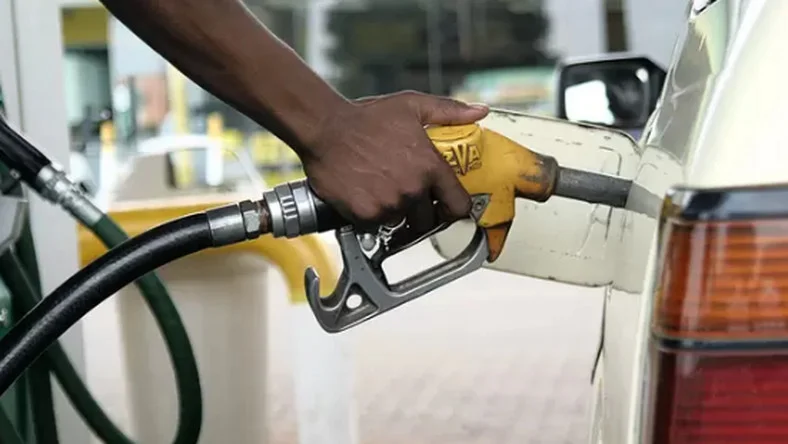
The latest adjustment, driven by a decline in global crude oil prices, is expected to lower the cost of petrol, diesel and liquefied petroleum gas (LPG), easing pressure on motorists, businesses and households that have been grappling with high energy costs in recent months.
Under the new pricing window, petrol prices have been reduced by 4.5 percent, bringing the floor price to GH¢12.79 per litre. Diesel recorded a more significant reduction of 10.4 percent, with its floor price dropping to GH¢13.54 per litre.
LPG registered the steepest decline, falling by 23.6 percent from GH¢13.23 per kilogramme to GH¢10.11 per kilogramme.
The reductions follow a recent decline in international crude oil prices, which have eased to around US$70 per barrel after tensions in the Middle East showed signs of easing. Lower crude oil prices have reduced the cost of refined petroleum products on the global market, creating room for downward adjustments in Ghana’s deregulated fuel sector.
Consumers are now expecting oil marketing companies (OMCs) to reflect the new pricing direction at service stations during the first pricing window of July.
The reduction in petrol prices is expected to bring some relief to private vehicle owners and commercial transport operators. However, the decline in diesel prices could have an even wider impact on the economy, as diesel remains a key fuel for transportation, agriculture, construction, manufacturing, mining and power generation.
For households, the sharp drop in LPG prices could significantly reduce cooking fuel costs, especially for families that depend on gas for their daily energy needs. The reduction may also support efforts to promote cleaner cooking fuels by making LPG more affordable compared to charcoal and firewood.
Despite the announcement, consumers may not see identical price reductions at every fuel station. The NPA’s price floor serves as a benchmark, while actual retail prices are determined by individual OMCs based on factors such as operational costs, competition, stock levels and distribution expenses.
As a result, fuel prices could vary from one station to another, although the general trend is expected to be downward.
Economists say the reduction could also help ease inflationary pressures if lower fuel costs eventually translate into reduced transport fares and lower distribution costs for goods and services.
Businesses that rely heavily on transportation, logistics and generators may also benefit from lower operating costs, potentially improving profit margins and reducing financial pressure.
While the latest adjustment offers welcome relief, industry observers caution that fuel prices remain vulnerable to developments on the global market. Any renewed geopolitical tensions or significant fluctuations in the exchange rate could reverse the gains in future pricing windows.
For now, however, the July 1 fuel price review brings good news for consumers, with petrol, diesel and LPG all set to become more affordable, provided oil marketing companies pass on the reductions to customers.