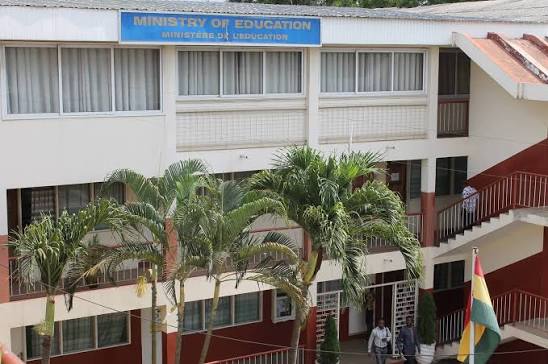
The Ministry of Education has clarified that the introduction of a standardised Arabic language curriculum does not mean Arabic will become compulsory in Ghanaian schools.
The ministry explained that the curriculum was developed to regulate the teaching of Arabic in English and Arabic schools, particularly those serving Muslim communities, and is not intended to be introduced across all public schools.
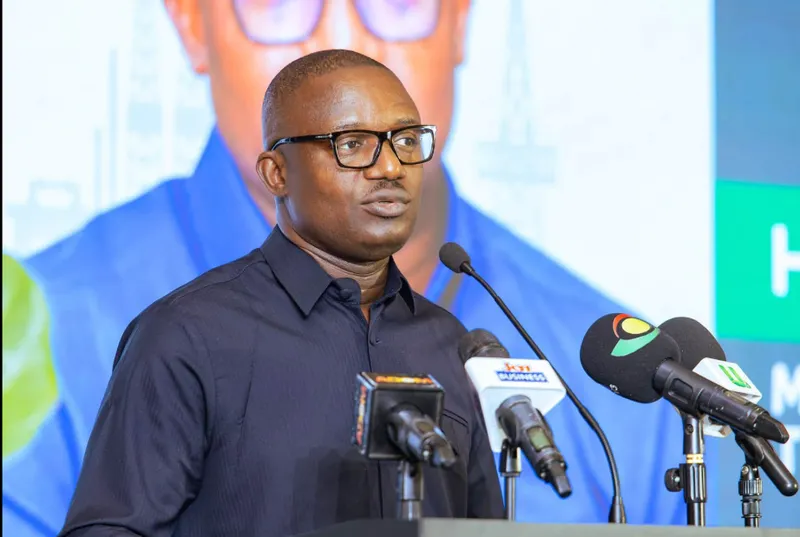
Speaking on Eyewitness News on Tuesday, August 11, 2026, Education Ministry spokesperson Hashmin Mohammed said the initiative followed a request from the Islamic Education Unit of the Ghana Education Service for a standardised curriculum for Arabic instruction.
According to him, Arabic has been taught in English and Arabic schools in Ghana since the late 1980s, but the absence of a uniform curriculum meant instructors did not have a common framework to guide their teaching.
He said the National Council for Curriculum and Assessment (NaCCA), which is responsible for curriculum development, subsequently engaged the Islamic Education Unit and other relevant stakeholders to develop a standardised curriculum.
Mr Mohammed stressed that Arabic is a language and should not be confused with religion.
“Arabic is not a religion. It is a language just like French, English, or Spanish and any other international language.”
He said Arabic would remain optional for students who have an interest in learning it.
“This language policy is not compulsory. It is just an optional language for people who will show interest in studying it.”
The ministry spokesperson further explained that English and Arabic schools have existed in Ghana for decades, particularly in northern Ghana and Zongo communities. The state formally recognised these schools in the 1980s, leading to the establishment of the Islamic Education Unit within the Ghana Education Service.
He clarified that the new curriculum is intended specifically to guide Arabic instruction within these existing schools and does not require all Ghanaian schools to introduce Arabic.
Mr Mohammed also dismissed concerns circulating on social media about why Arabic was being standardised while other international languages, such as French and Chinese, were not being treated in the same way.
He explained that the process was initiated in response to a specific request from the Islamic Education Unit, which operates within the Ghana Education Service.
He said as a recognised educational unit serving a specific community, its request for a standardised teaching methodology was one that NaCCA, as the country’s curriculum regulatory body, was required to consider.
The ministry therefore urged the public to distinguish between the standardisation of Arabic instruction within English and Arabic schools and the introduction of Arabic as a compulsory subject across Ghana’s public education system.