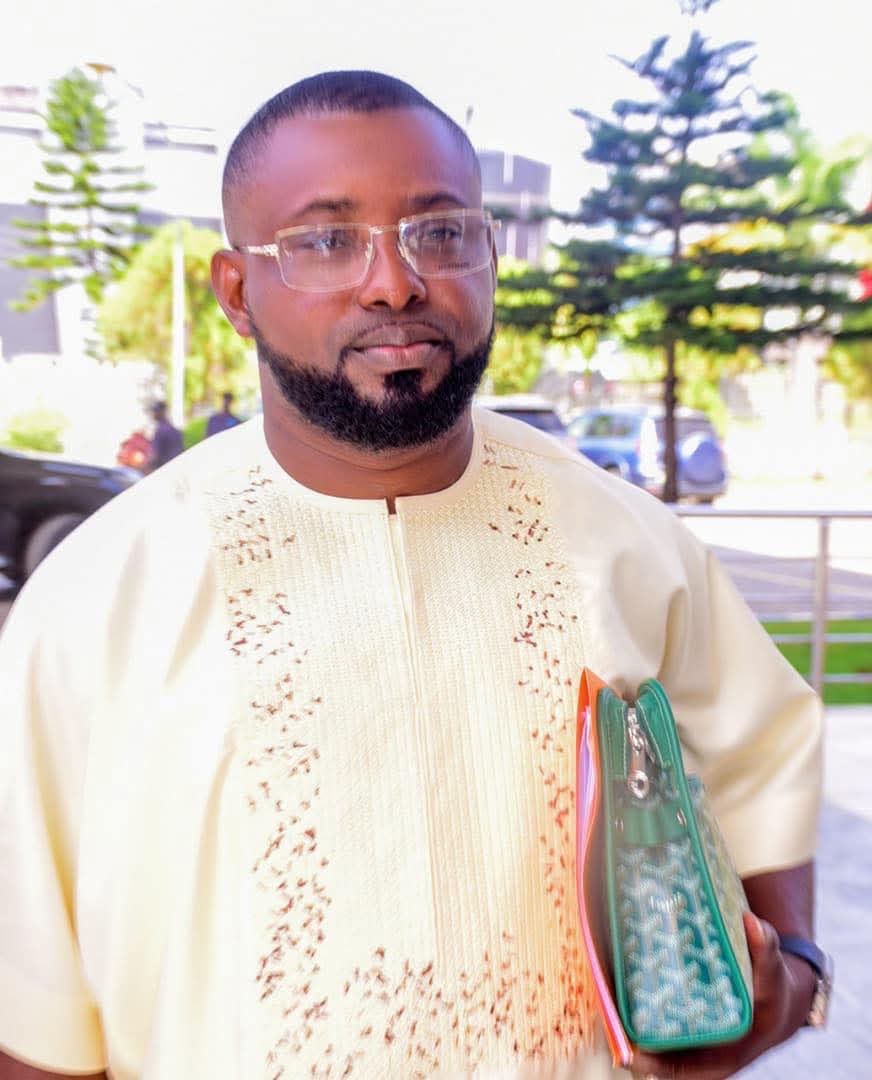
Written by Moses Kanduri — A Concerned Citizen of Ghana
His Excellency
John Dramani Mahama
President of the Republic of Ghana
Jubilee House, Accra
Your Excellency,
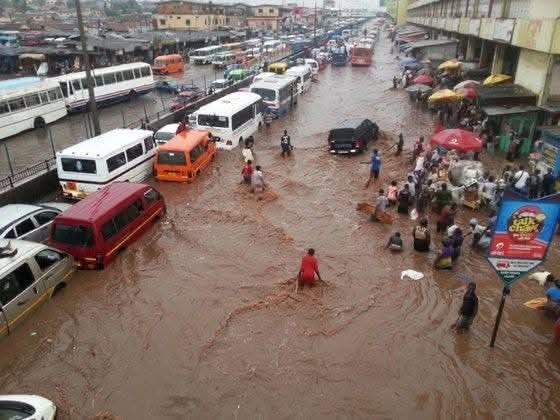
I write with a heavy heart and a deep sense of urgency as Ghana once again battles devastating floods that continue to destroy homes, livelihoods, and in some cases, lives. What we are witnessing is no longer a seasonal inconvenience but a recurring national emergency that demands bold, structural, and long-term solutions.
Across the country, particularly in Accra, communities such as Adabraka, Kaneshie, Madina, and Dansoman are repeatedly submerged whenever heavy rains fall. Families lose property within minutes, businesses are disrupted, and public health risks continue to rise. The economic toll is severe and recurring, yet the national response has largely remained reactive rather than transformative.
This is not simply about rainfall. It reflects deeper and long-standing challenges in urban planning, drainage systems, enforcement of building regulations, and the absence of a comprehensive long-term infrastructure strategy. Each year the crisis repeats itself, exposing the same vulnerabilities and leaving citizens to suffer the consequences.
Your Excellency, I respectfully urge the government to consider convening a national taskforce and inviting world-class expertise in water management and urban planning to support Ghana in addressing this challenge. Countries such as the Netherlands have developed globally respected systems for managing water through advanced drainage networks, storm surge barriers, and land reclamation techniques. Their philosophy of adapting to water rather than resisting it offers valuable lessons that could be studied and applied in our context.
Italy, particularly Venice, also provides important insights through its flood protection systems, including large-scale barrier projects designed to protect historic cities from rising waters. In parts of Eastern Europe, innovative approaches to rainwater harvesting and underground storage have been implemented to capture excess water during heavy rainfall and reuse it during dry seasons. These examples show that flooding can be managed effectively when long-term planning and engineering innovation are prioritised.
While the current situation is painful, it also presents Ghana with an opportunity to rethink how our cities are designed and managed. Many nations have used moments of crisis as turning points for transformation, rebuilding their urban centres into more resilient and modern spaces. Ghana can also take such a path by developing a long-term national vision to redesign flood-prone areas, particularly in Accra.
Such a transformation would require difficult decisions, including the relocation of communities in high-risk zones and the reorganisation of certain urban layouts. However, if carried out with fairness, transparency, and proper compensation, it could become one of the most significant national development efforts in our history.
The government may also consider developing underground stormwater systems to channel excess rainwater into storage facilities that can later be used for agriculture and domestic purposes. Stronger enforcement of planning laws is equally important, especially to prevent construction on waterways and flood plains that worsen flooding conditions each year. A national urban redesign initiative, supported by both local and international experts, could further help reimagine Accra as a modern, climate-resilient capital.
Your Excellency, the people of Ghana are not asking for miracles. They are asking for leadership that confronts this crisis with urgency and long-term vision. The floods are natural, but much of the suffering is preventable. What is required now is decisive action that moves beyond temporary solutions.
This moment will be remembered not only for the scale of the crisis, but for the choices made in response to it. Ghana is watching, and so is the wider world. The time to act is now.
Respectfully and patriotically submitted,
Moses Kanduri
On behalf of concerned citizens:
Callistus Mahama, Ken Adjei, Gizella Tetteh-Agbotui, Julius Debrah, Israel Laryea, Moro Awudu, Ras Mubarak, Cassiel Ato Forson, and Kwame Governs Agbodza