
The Ghana Health Service (GHS) has renewed its public health warning over the heightened risk of cholera, typhoid, dysentery, malaria and other waterborne diseases as heavy rains and flooding continue to affect parts of the country.
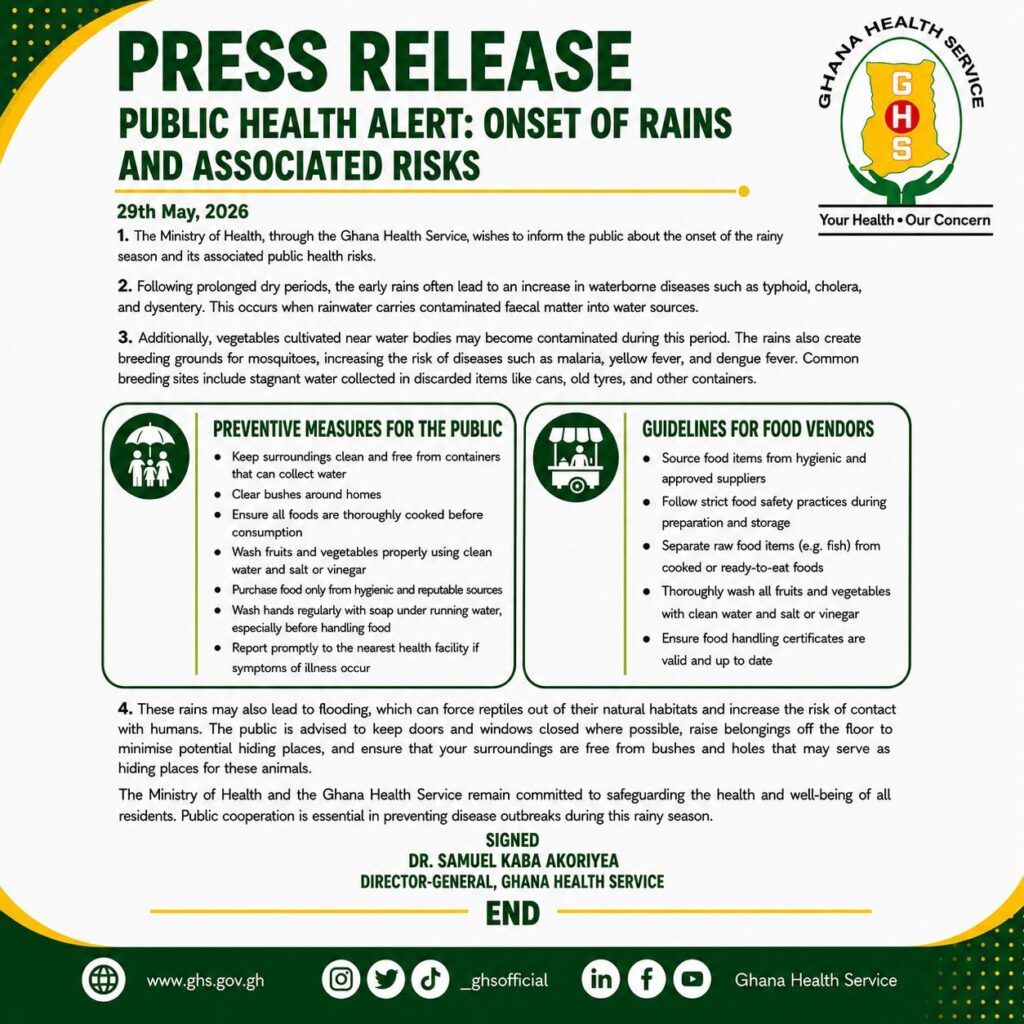
The alert, originally issued by the Director-General of the GHS, Dr Samuel Kaba Akoriyea, has been recirculated as the rainy season gains momentum. Health officials say the combination of flooding and poor sanitation conditions could create an environment for disease outbreaks if preventive measures are not taken.
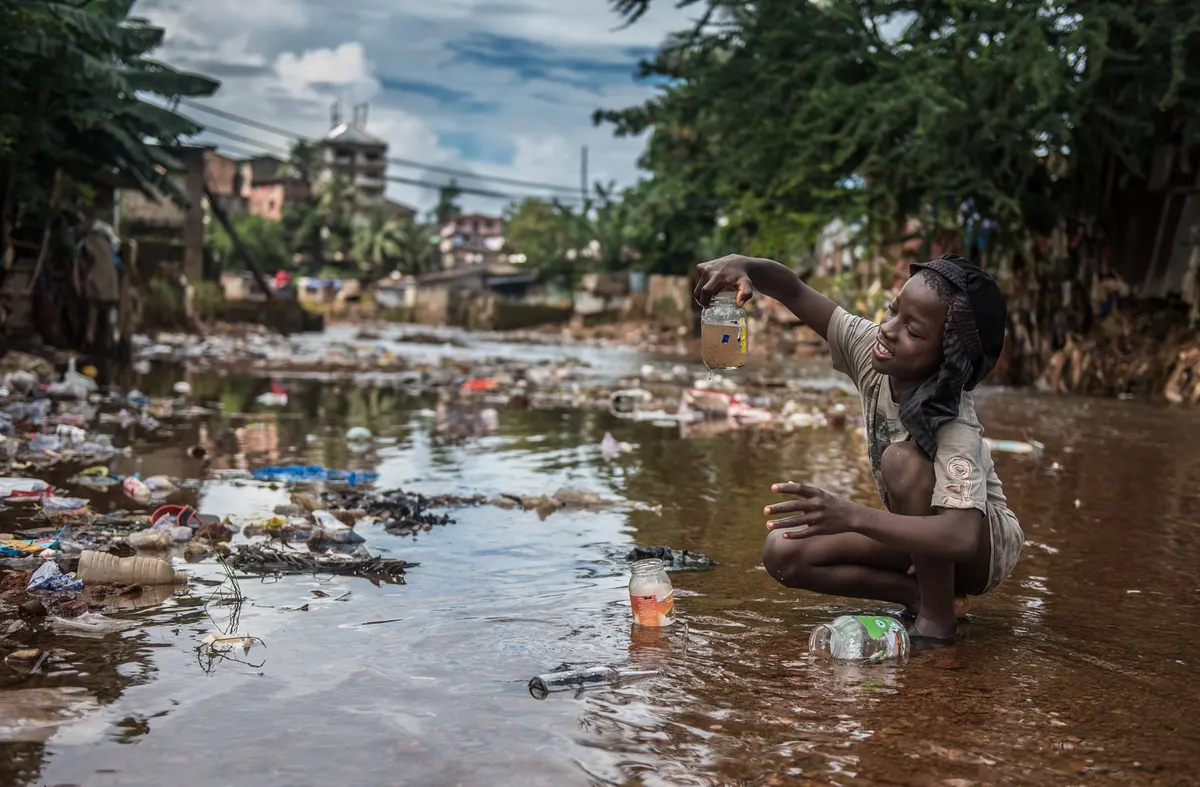
According to the Service, the first rains after a prolonged dry season often wash human waste and other contaminants into streams, rivers and other water sources, increasing the likelihood of waterborne infections. It also warned that vegetables cultivated near water bodies could become contaminated during this period.
Beyond waterborne diseases, the GHS noted that stagnant water left behind by rainfall provides ideal breeding grounds for mosquitoes, raising the risk of malaria as well as other mosquito-borne illnesses such as yellow fever and dengue fever.
To reduce these risks, the Service is urging households to eliminate containers that collect water, including discarded cans, old tyres and plastic containers. Residents have also been advised to clear bushes around their homes, maintain clean surroundings and take extra care when preparing food.
The GHS encouraged the public to wash fruits and vegetables thoroughly using clean water and salt or vinegar, cook food properly and practise regular handwashing with soap under running water, especially before handling meals. Individuals experiencing symptoms of any illness have been advised to seek medical attention promptly.
Food vendors have also been reminded to adhere strictly to food safety regulations. The Service urged them to obtain food items from approved and hygienic sources, store food properly, keep raw products separate from cooked meals and ensure their food handling certificates remain valid.
The health alert further highlighted an often-overlooked danger associated with flooding. According to the GHS, rising floodwaters can force snakes and other reptiles out of their natural habitats and into residential areas. Residents are therefore being encouraged to keep doors and windows closed when possible, elevate household items above floor level and clear bushes and holes around their homes where reptiles may hide.
“Public cooperation is essential in preventing disease outbreaks during this rainy season,” the statement stressed.
The renewed warning comes as health authorities prepare for the annual challenges that accompany the rainy season. The Greater Accra Regional Health Directorate has set an ambitious target of recording zero cholera cases, while the Minister of Health has indicated that the government is prepared to procure cholera vaccines if an outbreak occurs.
Meanwhile, sanitation advocates continue to argue that recurring outbreaks linked to flooding are largely the result of poor sanitation practices and weak enforcement of environmental regulations rather than rainfall alone.