
Ghana’s cocoa sector is heading into the 2026/27 crop season with renewed financing concerns as Licensed Buying Companies (LBCs) await payments from the Ghana Cocoa Board (COCOBOD).
The Chamber of Cocoa Marketers Ghana estimates that COCOBOD owes LBCs nearly GH¢4 billion, warning that the outstanding payments are making it difficult for buying companies to secure fresh funds to purchase cocoa when the new season begins.
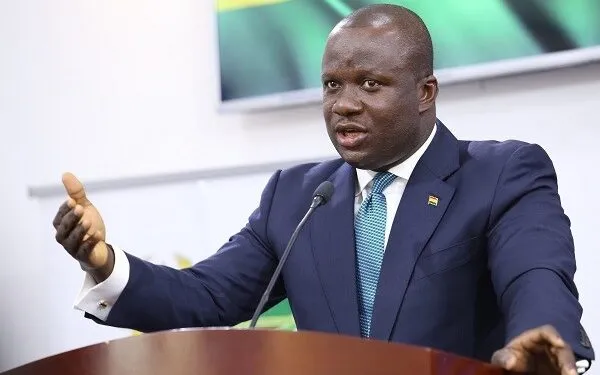
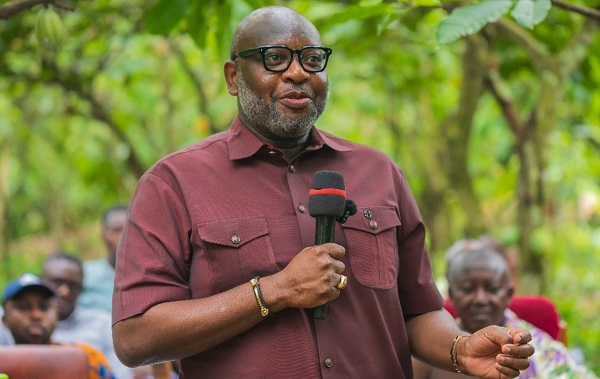
Chief Executive of the Chamber, Victus Dzah, said the situation could leave LBCs struggling to return to cocoa-growing communities and buy beans from farmers.
“COCOBOD has not paid us. How are we going to go back to the field to buy cocoa?” he asked.
The concern comes as LBCs prepare to finance cocoa purchases at the start of the new season. The companies typically raise funds to buy cocoa from farmers and later submit Cocoa Takeover Receipts to COCOBOD for reimbursement.
When those reimbursements are delayed, the LBCs are forced to carry the financial burden for longer, often relying on expensive loans to keep their operations running.
Mr Dzah said some buying companies are borrowing at interest rates of up to 40% while waiting for COCOBOD to settle their outstanding balances.
“You buy the cocoa, and in seven months, you cannot pay. You are totally out of the business. Some companies have collapsed because of this,” he said.
COCOBOD, however, has rejected suggestions that the outstanding payments mean it is unable to meet its obligations.
Head of Public Affairs at COCOBOD, Jerome Kwaku Sam, said the 2025/26 cocoa season ended only about a month and a half ago, meaning some outstanding balances could still be under reconciliation.
He said the Board had also prioritised payments to farmers, describing them as the productive base of the cocoa industry.
COCOBOD has made several payments to LBCs this year. In March, it released GH¢3.62 billion as part-payment of arrears linked to cocoa farmers, while another GH¢2.6 billion was released in July, including about GH¢1.4 billion to clear balances owed by LBCs to farmers for cocoa purchased on credit.
The Board says it has paid more than GH¢34.5 billion to LBCs since the beginning of the 2025/26 crop season.
Despite these payments, the Chamber says the financing challenges facing LBCs remain unresolved.
Mr Sam acknowledged that LBCs had, at various points, stepped in to pre-finance cocoa purchases after difficulties emerged with the traditional syndicated-loan arrangement in 2023. Under the arrangement, buying companies provided funds upfront and were later reimbursed by COCOBOD.
The Chamber is now seeking clarity on how cocoa purchases will be financed in the 2026/27 season.
“We are in the second week of September. Nobody has called us to tell us anything about what is going on. We don’t know how the funding system is going to be like,” Mr Dzah said.
COCOBOD says plans are far advanced for a meeting with the LBCs and the Chamber to resolve outstanding payments before the new season gets fully underway.
“Plans are far advanced to meet with the licensed buying companies or the chamber to iron out all outstanding payments that we have,” Mr Sam said.
The financing concerns come against a difficult international cocoa market. COCOBOD has maintained the producer price for the 2026 light crop at GH¢41,392 per tonne despite weaker global cocoa prices.
The Chamber has also raised concerns about the price gap between Ghana and neighbouring Côte d’Ivoire, warning that significant differences could encourage cross-border movement of cocoa and affect domestic volumes.
Meanwhile, COCOBOD has continued efforts to address other financial obligations. In July, the Board announced that it had fully settled GH¢162 million owed to Cocoa Bill holders who did not participate in the Domestic Debt Exchange Programme.
In September, it announced another GH¢2.306 billion payment to DDEP-related bondholders, bringing payments to that group in 2026 to about GH¢2.683 billion.
While these payments point to efforts to improve COCOBOD’s financial position, the outstanding LBC balances have renewed questions about the sustainability of the cocoa financing system.
For LBCs, the immediate concern is whether they will have enough affordable working capital to buy cocoa once farmers begin bringing in the new crop.
If the financing gap persists, the pressure could spread across the cocoa value chain, affecting buying companies, farmers and ultimately the movement of cocoa into Ghana’s formal export system.