

Ghana is expected to receive its final $318 million disbursement from the International Monetary Fund (IMF) following approval of the country’s sixth and concluding programme review at a Board meeting scheduled for July 27, 2026.
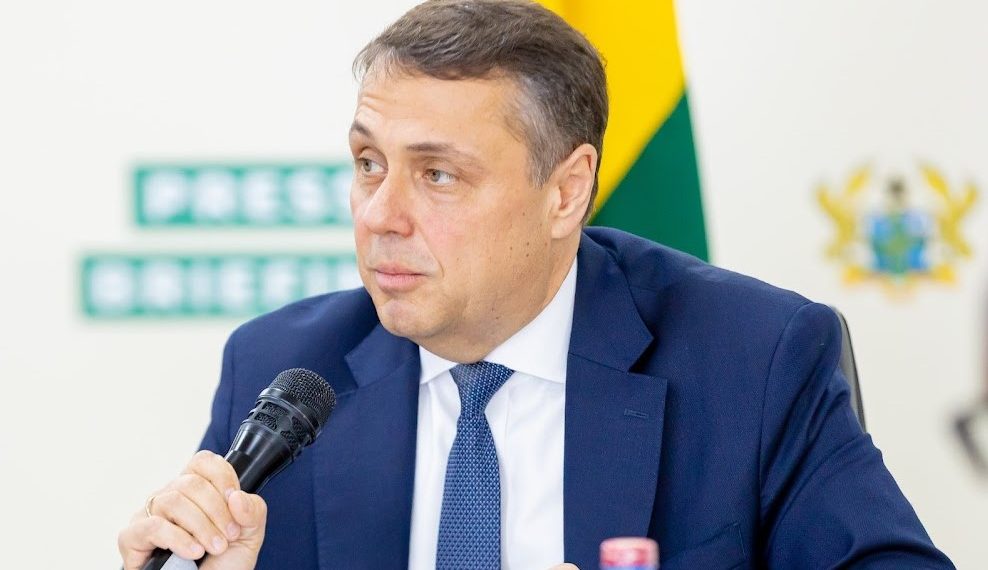
IMF Mission Chief for Ghana, Dr. Ruben Atoyan, indicated that the funds would be released shortly after the Executive Board gives its approval, effectively bringing Ghana’s three-year Extended Credit Facility (ECF) programme to a close.
“As soon as the board approves Ghana’s final programme, the next day I will move to sign the payslip for the funds to be released,” he said on JoyNews’ PM Express Business Edition.
The final tranche will mark the end of an arrangement approved in May 2023 at a time when Ghana was facing severe economic pressures, including high inflation, rapid currency depreciation, debt distress, and limited access to international capital markets.
Since entering the programme, Ghana has received approximately $2.8 billion in IMF support. With the final disbursement, total inflows under the arrangement will rise to about $3.2 billion.
Dr. Atoyan clarified that although a staff-level agreement has already been reached, the programme is not yet formally concluded. He explained that the agreement reflects consensus between IMF staff and Ghanaian authorities on the policy steps needed to complete the review, with final approval still pending from the Executive Board.
An IMF mission team visited Accra from April 29 to May 15 to assess progress under the programme, including the sixth review, the 2026 Article IV consultation, and Ghana’s request for a new 36-month Policy Coordination Instrument.
At the end of the visit, the IMF acknowledged that Ghana’s programme had delivered significant macroeconomic improvements, including easing inflation, improved external buffers, stronger investor confidence, and progress in debt restructuring efforts.
Unlike earlier arrangements, the current programme has allowed more financing to support government budget priorities and development projects, rather than focusing solely on rebuilding foreign reserves at the central bank.
However, the IMF cautioned that sustaining the gains will depend on continued fiscal discipline and strong public financial management reforms, particularly measures aimed at reducing fiscal risks and contingent liabilities.
Attention was also drawn to challenges in the energy sector, especially within the Electricity Company of Ghana, where operational losses continue to pose risks to public finances.
The upcoming Board meeting will also consider Ghana’s request for a Policy Coordination Instrument, which does not provide new funding but is expected to guide reforms and signal continued commitment to fiscal discipline after the current programme ends.
If approved, the instrument will serve as a policy monitoring framework aimed at sustaining investor confidence and supporting Ghana’s economic stability beyond the IMF-supported programme.