

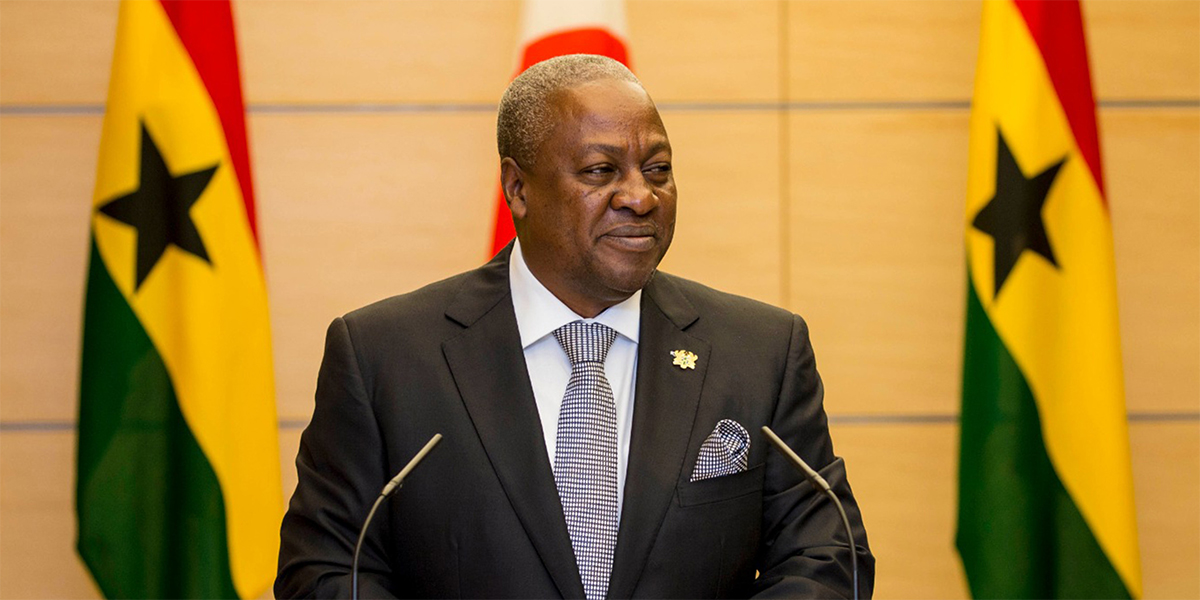
Ghana has resumed domestic crude oil refining following the commissioning of the refurbished Crude Distillation Unit (CDU) at the Tema Oil Refinery (TOR) by President John Dramani Mahama.
The development marks a major step towards restoring the state-owned refinery to sustained operations and reducing Ghana’s heavy reliance on imported petroleum products.
The commissioning also coincided with the arrival of Jubilee crude at TOR for processing, reconnecting Ghana’s locally produced crude oil with its domestic refining system after years of limited refinery activity.
For a country that produces crude oil but imports significant volumes of petrol, diesel and other refined petroleum products, the restart carries important economic implications.
If TOR can maintain regular operations, Ghana could retain more value from its own crude oil while reducing some of the foreign exchange spent on importing finished petroleum products.
The Crude Distillation Unit is at the heart of the refinery’s operations. It is responsible for separating crude oil into different fractions, including those used to produce petrol, diesel and kerosene. Its rehabilitation therefore restores one of the key facilities required for TOR to return to meaningful refining activity.
Speaking at the commissioning ceremony, President Mahama commended TOR’s board, management and workers for completing the refurbishment without direct financial support from government.
He described the achievement as evidence that struggling state-owned enterprises can be turned around through effective management, technical expertise, innovation and strategic partnerships.
The President said TOR’s revival demonstrates that public enterprises can undertake significant operational reforms without depending entirely on government funding.
However, the real test for the refinery begins after the commissioning ceremony.
TOR has faced years of financial difficulties, ageing equipment, debt challenges and repeated operational disruptions. These problems have contributed to Ghana’s growing dependence on imported finished petroleum products despite the country’s own crude oil production.
Maintaining consistent operations will therefore require more than a functioning CDU. TOR will need reliable crude supplies, sufficient working capital, regular maintenance and strong commercial management to prevent a return to the cycle of shutdowns that has affected the refinery in the past.
The delivery of Jubilee crude also offers an opportunity to strengthen the connection between Ghana’s upstream oil production and its downstream petroleum industry.
Instead of exporting crude and importing large quantities of refined products, processing more of Ghana’s crude locally could create additional economic activity through refining, storage, transportation and other related services.
There could also be foreign-exchange benefits.
Ghana spends substantial amounts of foreign currency on petroleum-product imports. While increased domestic refining would not completely eliminate the need for imports, a reliable TOR could reduce the volume of finished products purchased from international markets.
A functioning refinery could also improve Ghana’s fuel-security position by reducing the country’s exposure to disruptions in international supply chains, shipping markets and overseas refining centres.
The government is presenting the TOR revival as part of a wider push for local value addition and industrialisation.
The idea is to move beyond simply extracting and exporting Ghana’s natural resources and create more economic activity around them at home.
But for that vision to succeed, TOR must also prove that it can operate competitively.
The refinery will have to manage crude procurement, pricing, maintenance, financing, debt and governance effectively while competing with large international refineries that often enjoy greater economies of scale.
Ultimately, the success of TOR’s revival will not be measured by the commissioning ceremony but by its ability to refine crude consistently and operate as a financially sustainable business.
For Ghana, however, the restart represents an important return of strategic industrial capacity.