
Ghana’s urban population has reached an estimated 19.8 million, representing 58.7% of the country’s total population in 2025. However, the growing number of people living in towns and cities is putting renewed attention on the country’s ability to provide adequate housing, sanitation and other essential services.
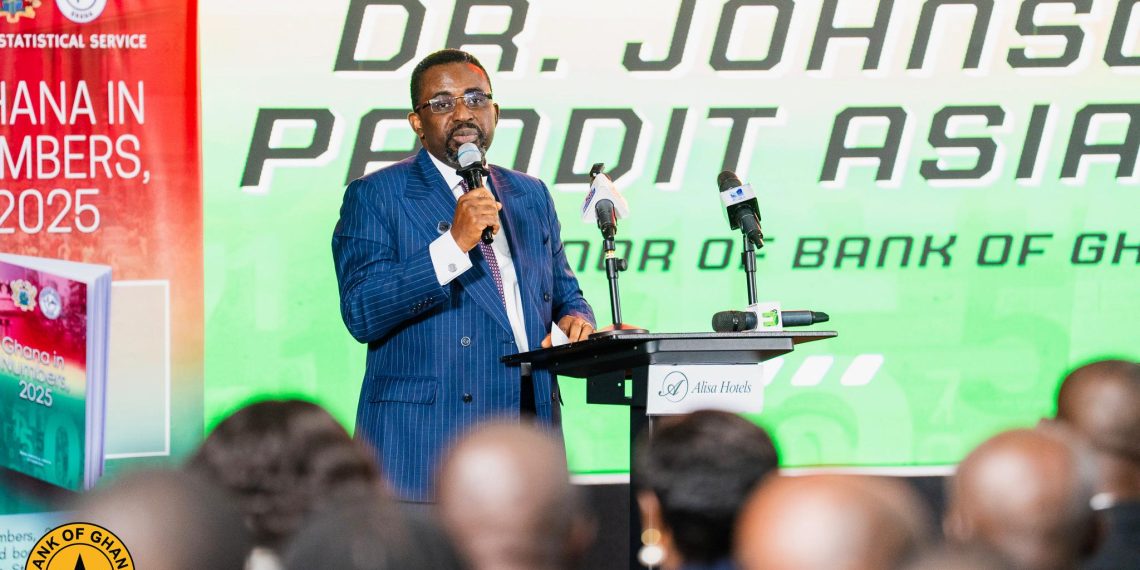
The figures, contained in the Ghana Statistical Service’s (GSS) flagship publication, Ghana in Numbers, 2025, highlight the country’s changing settlement patterns and the disparities that remain despite improvements in access to basic services.
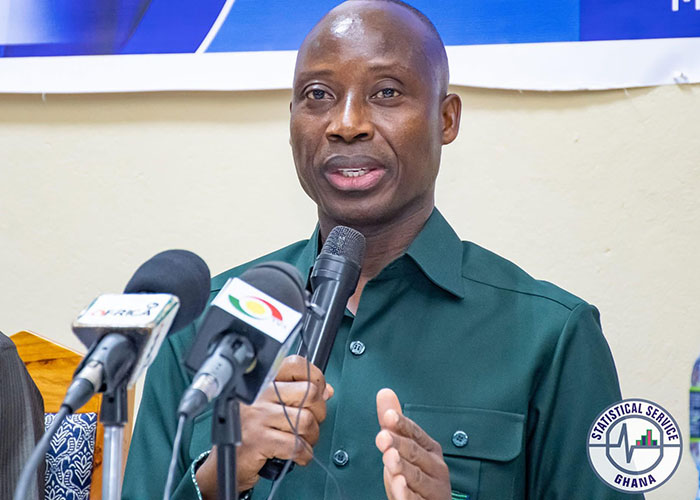
According to the Government Statistician, Dr Alhassan Iddrisu, national figures do not always reflect the realities of individual communities, making it important for policymakers to rely on local data when planning public investments.
“Use local figures, not national averages, to decide where the next cedi goes, because averages hide differences,” he said.
Ghana became an urban-majority country in 2010, when 12.55 million people lived in urban areas compared with 12.11 million in rural communities. By the 2021 Population and Housing Census, the urban population had increased to 17.47 million, while the rural population stood at 13.36 million.
The 2025 figure is a projection rather than a new census count, but it reflects the continued movement towards urban living.
This growth has increased demand for housing, roads, schools, healthcare facilities, water supply, transportation and waste management. Where infrastructure fails to keep pace with population growth, residents can face overcrowding and limited access to essential services.
Housing remains one of the major concerns. The 2021 Population and Housing Census recorded approximately 10 million dwelling units, while the GSS estimates that Ghana’s housing deficit declined from about 2.8 million units in 2010 to 1.8 million in 2021.
Although the reduction represents progress, the report cautions that the housing deficit estimate does not fully capture issues such as affordability, the quality of available accommodation or whether homes are located where people need them.
This means that a lower housing deficit does not necessarily translate into easier access to decent and affordable homes for households.
Household size is also changing. Ghana’s average household size has declined to 3.6 people, the lowest recorded level. With fewer people living in each household, the demand for separate housing units can increase even when population growth slows.
The report also highlights improvements in access to basic services over the years. The proportion of households with electricity increased from 43.8% in 2000 to 86.3% in 2021, while access to improved drinking water rose from 60.7% to 92% over the same period.
Improved sanitation coverage also increased from 44.8% in 2010 to 69% in 2022.
However, significant gaps remain. About 30.8% of Ghana’s urban population lives in slums or informal settlements. The report further indicates that approximately one in seven households still lacks electricity, while almost one in three does not have access to an improved toilet.
The figures highlight the difficulties facing communities where population growth has not been matched by adequate housing and infrastructure.
Dr Iddrisu said population data should guide decisions on where schools, clinics and homes are needed, stressing the importance of using statistics to direct resources to communities with the greatest needs.
For government and local authorities, this means paying closer attention to where populations are increasing and whether existing infrastructure can support the growing number of residents.
District-level data, in particular, can help identify communities experiencing rapid growth and those that remain underserved despite improvements in national statistics.
While Ghana in Numbers, 2025 provides an important picture of the country’s population, housing and access to basic services, the figures also raise questions about how effectively public investment is responding to changing settlement patterns.
With nearly six in every ten Ghanaians now living in urban areas, the challenge is no longer simply about managing urban growth but ensuring that homes, sanitation facilities, water systems and other essential infrastructure expand alongside it.
Ghana’s urban population reaching 58.7% marks a significant demographic shift. Whether that growth translates into better living conditions will depend largely on how effectively policymakers use the data to address the needs of individual communities.