


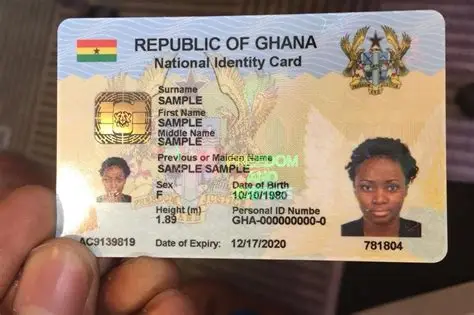
The National Identification Authority (NIA) has commenced nationwide enforcement of new regulations requiring organisations to use approved biometric methods when verifying the identity of Ghana Card holders.
The enforcement, which begins on Monday, November 2, 2026, follows the introduction of the National Identity Register (Amendment) Regulations, 2026, also known as Legislative Instrument (L.I.) 2523.
The new regulations are aimed at strengthening identity verification, reducing identity fraud and preventing individuals from using stolen, borrowed or fraudulently obtained Ghana Cards to access services.
Under the revised requirements, organisations and individuals covered by the law will be expected to authenticate the identity of Ghana Card holders through approved biometric verification systems rather than relying solely on physical inspection or photocopies of the card.
The NIA says the move is intended to shift the country from a system that largely depends on checking identity documents to one that confirms whether the person presenting the card is its rightful owner.
However, the introduction of the new rules does not mean that the Ghana Card itself has changed. It remains Ghana’s official national identity document. The major difference is how institutions are expected to verify the identity of individuals before providing certain regulated services.
Biometric verification involves using unique physical characteristics, including fingerprints and facial features, to confirm a person’s identity. The system compares the information provided during verification with the biometric records already captured and held by the NIA.
This means Ghanaians will not be required to register their fingerprints or facial biometrics again. Where fingerprint verification is unsuccessful, alternative approved methods, including facial verification where available, may be used.
Explaining the need for the changes, the NIA maintains that simply inspecting or photocopying a Ghana Card does not guarantee that the person presenting it is the legitimate owner.
A card may have been stolen, borrowed, forged or fraudulently obtained and could be used by another individual to access services.
The introduction of biometric authentication is therefore expected to make such practices more difficult while providing organisations with a more reliable way of confirming the identities of their customers and clients.
The new regulations are also expected to help reduce the unnecessary collection and storage of personal information through the routine photocopying and scanning of Ghana Cards.
With the nationwide enforcement now underway, affected institutions will be required to comply with the approved verification procedures as the country strengthens its national identity management system.