


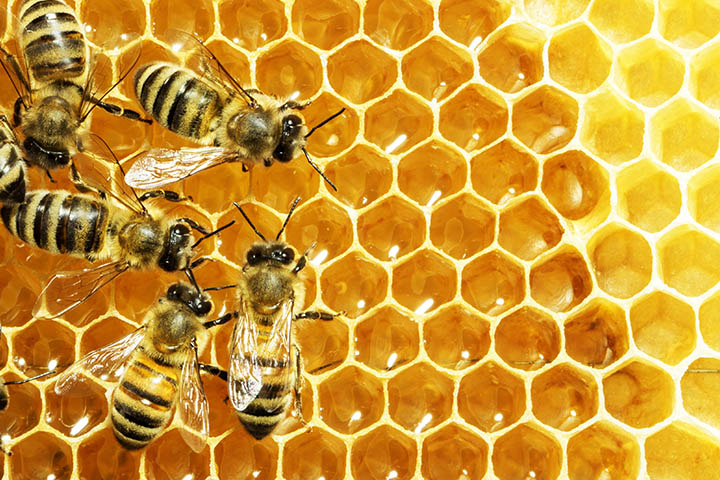
Every year on May 20, World Bee Day reminds us of something easy to overlook: the tiny insect that quietly holds together much of our food system. But beyond the symbolism, the day forces a more serious reflection on the fragile but essential relationship between humans and bees.
This year’s theme, “Bee Together for People and the Planet A Partnership That Sustains Us All,” feels particularly relevant for Ghana. For a country deeply rooted in agriculture, the role of bees is not abstract. It is practical, immediate, and critical.
Bees are responsible for pollinating a large share of the crops we depend on. In Ghana, staples such as cocoa, tomatoes, mangoes, cashew, citrus, and oil palm all rely directly or indirectly on pollination. Without bees, it is not just honey production that suffers. Food security, farmer incomes, and entire ecosystems come under threat.
Yet despite this importance, Ghana’s honey sector has long remained underdeveloped. The country has no shortage of potential. What it has lacked is structure clear standards, traceability systems, and the institutional backing needed to compete in high-value international markets.
That may be about to change.
Ghana is preparing to introduce its first private-sector-led quality and traceability branding system for honey: the Ghana HiveHoney Collective Mark. Developed by the West African Centre for Agribusiness and Apiculture Development (WACAAD), the initiative aims to bring credibility, consistency, and market value to Ghanaian honey.
The idea is simple but powerful. Instead of treating honey as a generic product, the mark creates a system that verifies quality, origin, and production standards. It is not just a logo it is a regulated framework. Producers who want to use the mark must meet strict requirements, including approval from national regulatory bodies, adherence to food safety standards like HACCP, and the adoption of environmentally responsible beekeeping practices.
In practical terms, it acts as a “quality passport” for Ghanaian honey.
This matters because the global honey market is facing a trust crisis. Cases of adulteration where honey is mixed with sugar syrups or contaminated with banned substances have made buyers, especially in Europe, far more cautious. For countries like Ghana, the challenge has not always been poor quality, but the inability to prove authenticity and meet traceability demands.
The new Collective Mark directly addresses that gap. With systems such as batch coding, production records, and even QR-enabled traceability, buyers can verify where the honey comes from, how it was processed, and whether it meets international standards.
This opens the door to premium markets that Ghana has struggled to access consistently.
But the significance of the initiative goes beyond exports. It also creates incentives for sustainability. Beekeeping, when done responsibly, depends on healthy ecosystems. Forests, flowering plants, and biodiversity are not optional they are the foundation of the industry.
By linking market access to environmental practices, the Collective Mark encourages beekeepers to protect the very ecosystems they rely on. In a country grappling with environmental degradation from activities like illegal mining, this shift is especially important.
There is also a strong social dimension. Women play a central role in Ghana’s informal honey sector, particularly in rural communities. Any effort to formalise and scale the industry must include them. The Collective Mark framework recognises this, with a focus on increasing participation among women and young people.
The timing of the launch aligned with World Bee Day 2026 is both symbolic and strategic. It signals that Ghana is not just acknowledging the importance of bees, but taking concrete steps to build a more resilient and competitive apiculture sector.
Looking ahead, the ambition extends beyond Ghana. There are plans to replicate the model across West Africa, leveraging regional trade frameworks like ECOWAS and the African Continental Free Trade Area. If successful, this could position the region as a credible supplier of high-quality, traceable honey in global markets.
At its core, the message is clear: Ghana’s honey sector does not need to remain informal and undervalued. With the right systems in place, it can become a source of sustainable income, export growth, and environmental stewardship.
World Bee Day is often treated as a moment of awareness. For Ghana, it may mark the beginning of something more tangible a shift from potential to structure, and from structure to value.
Because in the end, protecting bees is not just about conservation. It is about securing the future of food, livelihoods, and the ecosystems that sustain them.