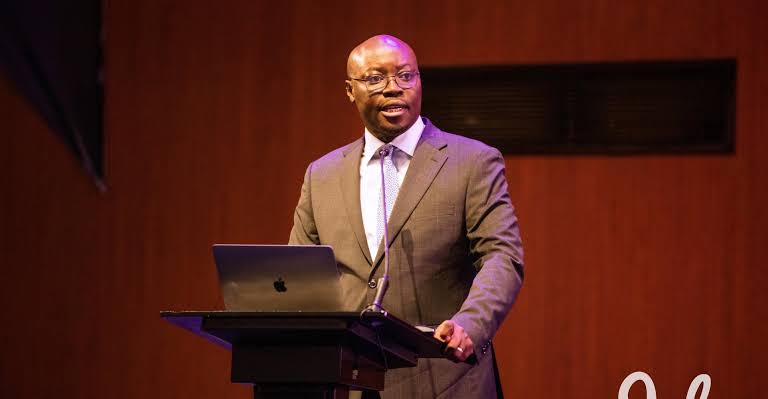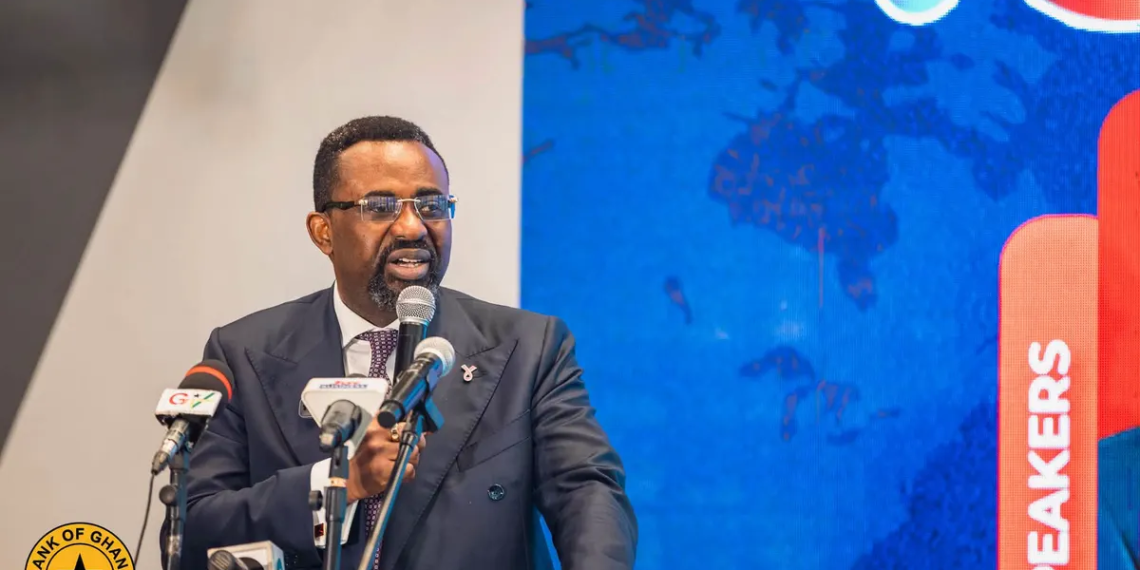


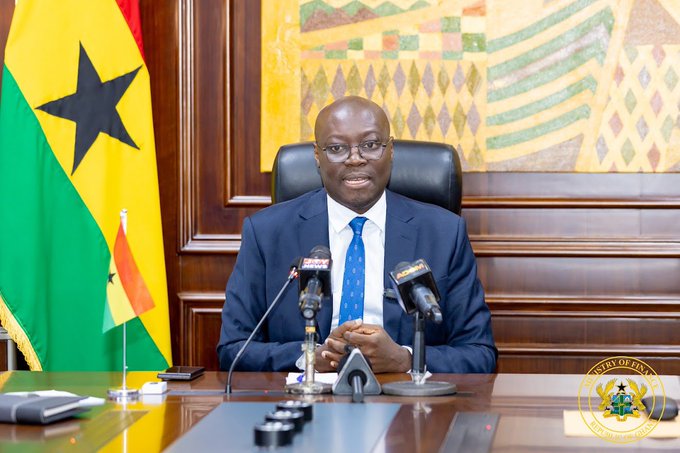
Finance Minister Dr Cassiel Ato Forson has declared that Ghana is ready to move from economic stabilisation to sustained growth, following efforts to rebuild the country’s macroeconomic foundations after a period of severe economic challenges.
“Today we have turned the tide. We are moving in the right direction,” Dr Forson said. “Based on the foundation that we have laid, this country is ready to take off.”
However, he cautioned that the country’s progress would depend on its ability to maintain macroeconomic stability, stressing that the recovery must be protected against policies that could reverse the gains made so far.
“And we will take off cautiously,” he said. “Bear in mind that all the gains we have made are dependent on us maintaining the macroeconomic stability.”
His remarks highlight the government’s position that Ghana is moving beyond crisis management towards a phase focused on growth and development, although sustaining the recovery will require continued fiscal discipline and prudent economic management.
Maintaining stability will be crucial to controlling inflation, managing public debt, reducing borrowing pressures and supporting confidence in the cedi. A return to excessive spending, persistent arrears or unsustainable borrowing could undermine the progress made and place renewed pressure on the economy.
The next challenge, however, is to ensure that the improving economic conditions translate into tangible benefits for Ghanaians. Lower business uncertainty, affordable credit, job creation and improved purchasing power will be important measures of whether the recovery is delivering meaningful results.
Government spending will also need to focus on productive sectors such as agriculture, infrastructure, energy, industry, skills development and digital technology. Investments in these areas can strengthen domestic production, create employment and expand the country’s economic base.
The private sector will equally play a critical role in sustaining growth. While government can provide the necessary economic stability and infrastructure, businesses will be expected to invest, innovate, expand production and explore new export markets.
Access to affordable credit and a predictable business environment will therefore be important in encouraging private investment and supporting the expansion of local enterprises.
Ghana must also strengthen its capacity to generate foreign exchange through exports, value addition, investment inflows and other sustainable sources of revenue. Reducing excessive dependence on imported goods could help ease pressure on foreign exchange demand and support greater currency stability.
Dr Forson’s declaration signals confidence in the country’s economic direction, but the real test will be whether the foundations laid can support lasting growth without recreating the fiscal and debt challenges that contributed to the previous crisis.
For Ghana, the next phase will require balancing the need to protect economic stability with the demand for faster development, more jobs and improved living standards.