


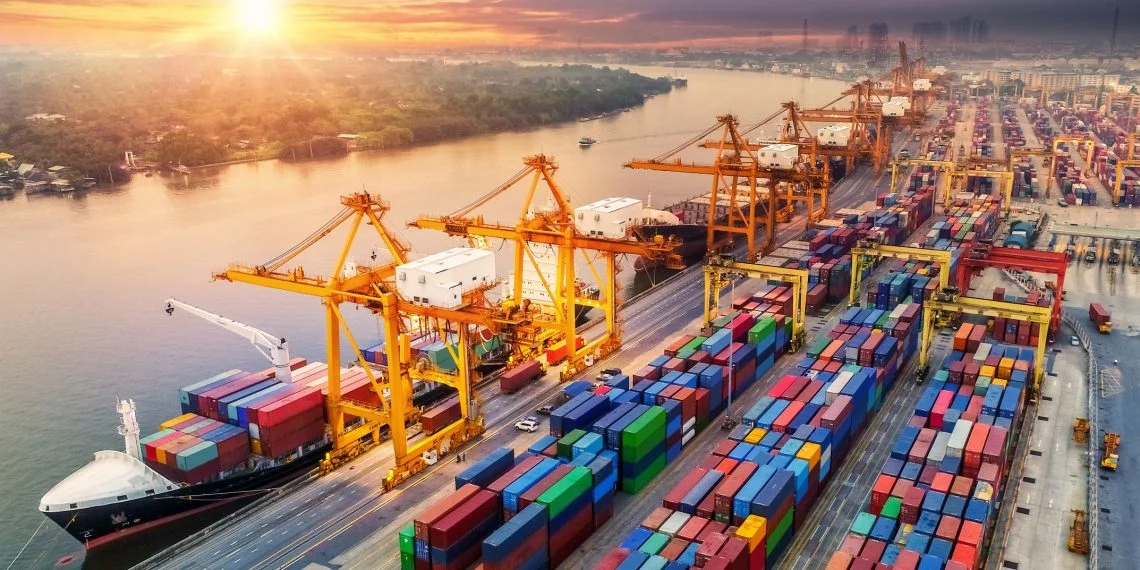
The Importers and Exporters Association of Ghana (IEAG) has called on Finance Minister Dr Cassiel Ato Forson to convene an emergency meeting with maritime stakeholders to address operational delays at the Tema Port, which it says are increasing costs for businesses.
The association’s call follows complaints about delays in shipping invoices, slow payment confirmations, bottlenecks in container releases and disruptions to truck movements at the port.
In a statement dated October 19, 2026, IEAG said importers, exporters and logistics operators were being forced to pay demurrage, storage and rental charges even after completing the necessary payments and documentation.
“The matter therefore requires urgent ministerial attention and coordinated intervention rather than routine stakeholder engagements that do not produce measurable results,” the association said.
The association warned that the delays were placing additional financial pressure on businesses and threatening Ghana’s competitiveness as a preferred trade gateway in West Africa.
For importers, prolonged cargo clearance means extra expenses and delays in getting goods to market. Manufacturers that depend on imported raw materials, machinery and components may also face production disruptions, while retailers risk losing sales when their goods remain at the port.
These challenges could eventually affect consumers, as businesses may pass on the additional costs through higher prices. They could also undermine efforts to improve the business environment and attract investment.
IEAG has proposed stricter enforcement of Service Level Agreements covering shipping invoices, payment processing, container releases and cargo transfers. It wants service providers to operate within clearly defined timelines, supported by transparent complaints procedures and appropriate remedies when service failures result in avoidable costs.
“Accountability in the maritime sector must be reciprocal,” the association said.
The association’s position raises concerns about whether businesses receive adequate protection when delays are caused by shipping companies, terminal operators or administrative processes beyond their control.
While demurrage and storage charges are intended to encourage the timely movement of containers and prevent congestion, IEAG believes importers should not bear the financial burden of delays they did not cause.
A more effective system would clearly distinguish between delays attributable to customers and those resulting from service providers. It would also establish procedures for resolving disputes, determining responsibility and addressing claims for avoidable charges.
The association has further called for an impartial investigation into a reported confrontation at the Mediterranean Shipping Company (MSC) office at Tema Port, during which an assault allegedly occurred.
“Any allegation of assault must be investigated impartially by the appropriate authorities, and anyone found culpable must be dealt with in accordance with the law,” IEAG said.
The proposed emergency meeting, however, will need to produce concrete measures to address the concerns raised by port users.
Clear deadlines, assigned responsibilities and measurable performance targets could help ensure that any commitments made by stakeholders translate into improvements. Publishing information on invoice processing, payment confirmation, container-release times and truck turnaround would also allow businesses to assess whether the interventions are working.
The concerns come at a time when efficient trade and logistics operations remain important to Ghana’s efforts to strengthen its economy and attract investment.
Tema Port is a major gateway for the country’s international trade, and persistent operational challenges could increase the cost of doing business and weaken its ability to compete with other ports in the region.
IEAG is therefore urging the government and maritime stakeholders to move beyond routine engagements and implement practical measures that improve efficiency, strengthen accountability and protect businesses from unnecessary costs.
For importers and exporters, the immediate priority is to ensure that delays are addressed and that businesses are not made to pay for service failures beyond their control.