

Finance Minister Dr. Cassiel Ato Forson has stressed that Ghana’s economic recovery must go beyond restoring stability to creating decent jobs, increasing incomes and improving the living conditions of Ghanaians.
According to him, the government’s efforts to stabilise the economy were only the beginning of a broader plan to build a stronger and more productive economy that benefits every Ghanaian.
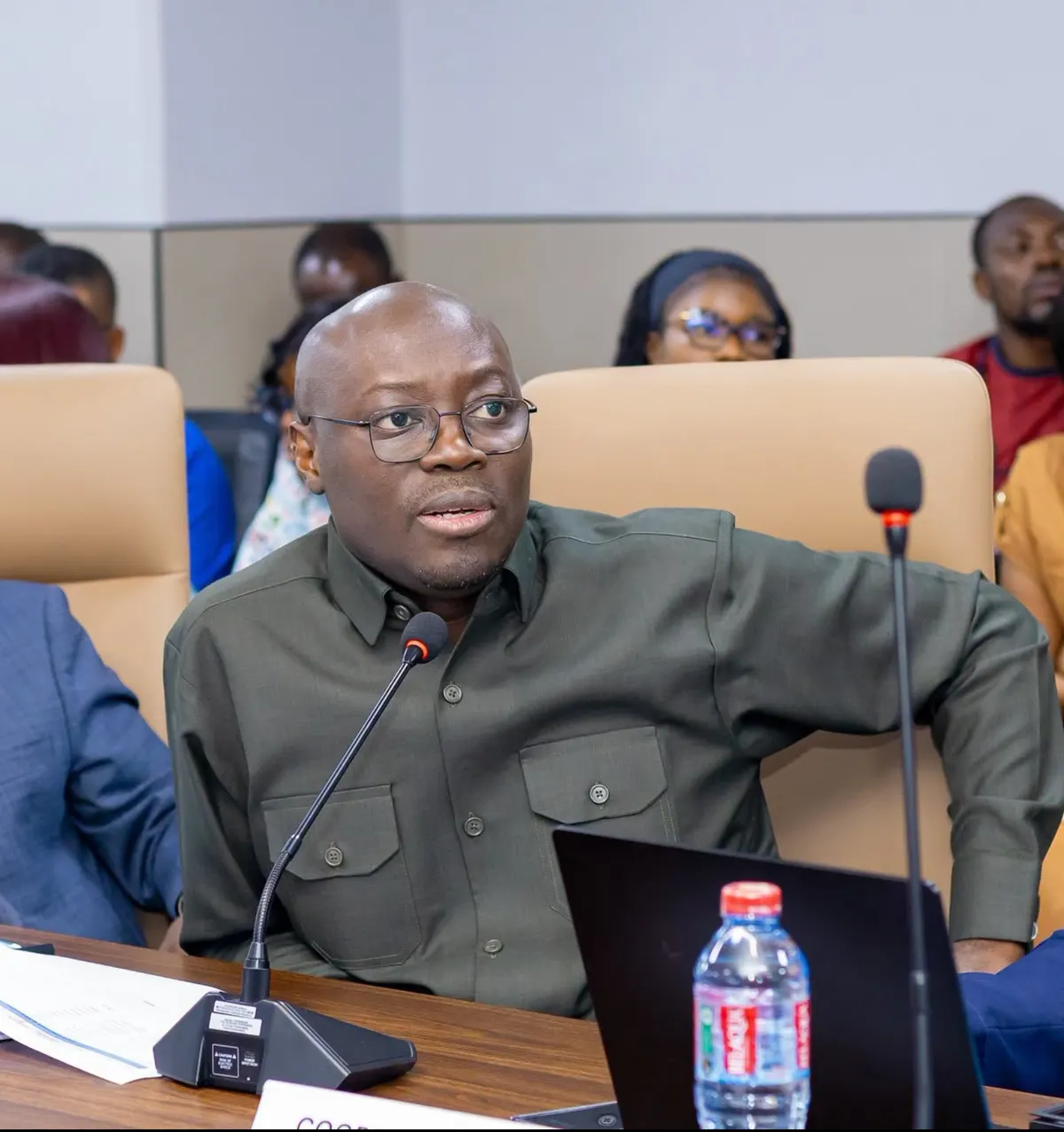
Speaking during an engagement with faculty members and students at the University of Ghana, Dr. Forson explained that the government’s vision for a “New Economy” is focused on turning the gains made through economic reforms into real opportunities for businesses and individuals.
“Stabilization was never the destination. It was the price of entry,” he stated.
The Finance Minister acknowledged the progress Ghana has made in addressing its economic challenges, pointing to declining inflation, improving investor confidence and efforts to manage the country’s debt burden.
However, he maintained that these achievements would mean little if they failed to bring meaningful improvements to the lives of ordinary citizens.
“Ghana has fought hard to restore stability. Inflation has come down. Confidence is returning. Debt pressures are being managed. The economy is recovering. But recovery is not enough,” he said.
Dr. Forson explained that the next phase of the government’s economic agenda would focus on boosting local production, expanding exports, attracting investment and creating sustainable employment opportunities.
He emphasised that economic stability must serve as a foundation for growth rather than become an achievement on its own.
“Stability must now become production, exports, investment, decent jobs, and higher incomes. That is the central purpose of the New Economy,” he added.
Outlining the government’s vision, the Finance Minister said Ghana must move towards producing more of the goods it consumes while adding greater value to its agricultural produce and mineral resources.
He also highlighted the importance of creating an enabling environment for private businesses to grow, invest and employ more people.
According to him, public investment must support private sector development to help expand economic opportunities and strengthen the country’s productive capacity.
Dr. Forson further indicated that the sacrifices Ghanaians have made during the period of economic reforms must not go unrewarded.
He maintained that the success of the government’s economic policies would ultimately be measured by their impact on employment, household incomes and the general well-being of citizens.
He reaffirmed that the New Economy agenda is aimed at building a more productive and resilient Ghana, where the benefits of economic recovery are felt across the country.