
The Ghanaian government is preparing 10 state-owned enterprises (SOEs) for listing on the Ghana Stock Exchange as part of efforts to improve their governance, attract private capital and reduce political interference.
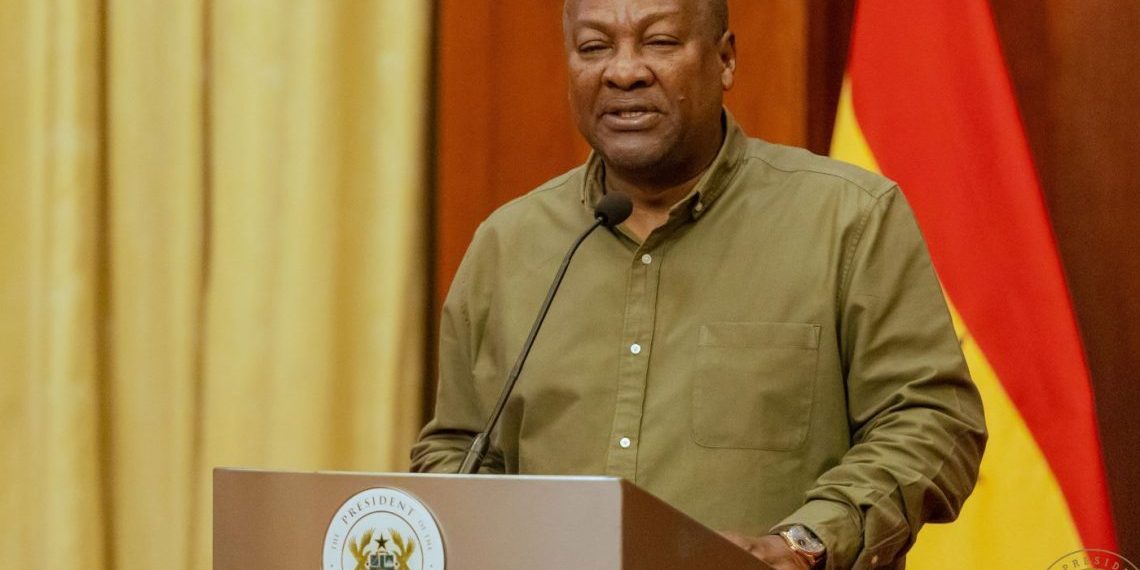
President John Dramani Mahama announced the plan during an investment event in New York, saying the move would subject the selected companies to greater public scrutiny and shareholder accountability.
“They’ll become public companies, one, because we want to improve their governance, and two, because we want to reduce political interference in those state-owned enterprises,” President Mahama said.
The government has, however, not yet disclosed the names of the 10 companies, the percentage of shares to be offered to investors or when the listings will take place.
The planned listings form part of a broader attempt to address longstanding concerns about the management and financial performance of Ghana’s state-owned enterprises.
SOEs operate across critical sectors of the economy, including energy, transport, infrastructure and finance. Their financial performance also has implications for government finances, particularly where losses, unpaid obligations and state guarantees eventually become a burden on the public purse.
President Mahama criticised what he described as weak performance incentives within some state enterprises, where employees and executives could continue to receive salary increases and bonuses despite poor financial results.
“There’s this notion of state enterprises where people just go and they’re guaranteed a monthly salary whether they perform well or not,” he said.
“Even when they’re making losses, they’re asking for salary increments and asking for bonuses when you’ve made a loss.”
Listing the companies could introduce an additional layer of accountability through the Securities and Exchange Commission and the Ghana Stock Exchange. Publicly listed companies are required to provide regular financial information, disclose material developments and operate under rules designed to protect shareholders.
However, a listing alone may not eliminate political influence.
If the government retains a controlling stake, it could continue to have significant influence over the appointment of directors and senior management. The effectiveness of the reform will therefore depend on how boards are appointed, how minority shareholders are protected and how much independence management is given to run the companies commercially.
The government will also have to address the social responsibilities attached to some state enterprises. Companies may be required to provide services at below-market prices, maintain uneconomic operations or pursue broader developmental objectives.
If such obligations remain after listing, they will need to be clearly defined and transparently funded to prevent private shareholders from carrying the cost of government policy.
President Mahama also pointed to political changes as a challenge for state-owned companies, noting that changes in government often lead to changes in boards and chief executives.
He argued that listing the companies could make such interference more difficult and provide greater continuity in their management.
The government has also cited improved financial performance among SOEs as a reason for the initiative. President Mahama said a report presented at a State Interests and Governance Authority programme showed that state-owned enterprises collectively recorded a net profit of almost GH¢19 billion after years of losses.
However, the performance of individual companies is likely to determine investor interest. Potential investors will examine each company’s assets, debts, revenue, profitability and reliance on government support before deciding whether to buy shares.
The government will therefore have to ensure that companies selected for listing have reliable financial records, clear liabilities and sound governance structures.
President Mahama said the programme would also give Ghanaians an opportunity to own shares in state enterprises and benefit from their performance.
“It’s a good place to invest. Some of them are paying quite good profits,” he said about the Ghana Stock Exchange.
Selling minority stakes could help deepen Ghana’s capital market while providing the government with an alternative source of financing. It could also give pension funds, institutional investors and individual Ghanaians access to companies that have traditionally remained fully owned by the state.
The government will, however, face scrutiny over how the shares are valued and how the proceeds from any sale are used. Transparent pricing and allocation will be important to maintaining public confidence in the programme.
President Mahama linked the planned listings to Ghana’s wider efforts to attract investment, saying foreign direct investment rose from US$640 million in 2024 to US$2.6 billion in 2025.
The success of the initiative will ultimately depend on its implementation.
Key questions remain over which companies will be listed, how much ownership the government will retain, how their boards will be appointed and whether the enterprises will be allowed to operate independently when commercial and political interests conflict.
If properly implemented, the listings could strengthen corporate governance, broaden public ownership and deepen Ghana’s capital market. But without changes to the way state enterprises are governed, a stock-market listing alone may not remove the political influence the government says it wants to reduce.