

The government has announced a pause in broad public sector salary negotiations for 2026 as it works to implement a new compensation framework aimed at improving fairness, transparency and long-term sustainability across the public service.
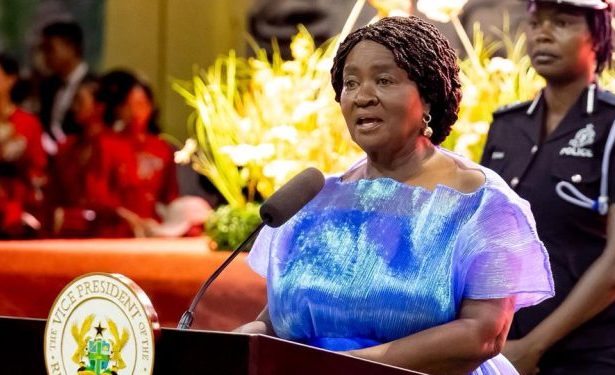
Speaking at the National Labour Conference in Ho, Vice President Professor Jane Naana Opoku-Agyemang said the government would not reopen nationwide wage negotiations this year. Instead, the administration plans to make targeted adjustments to selected allowances while finalising a comprehensive public sector pay policy.
According to the Vice President, the decision forms part of efforts to safeguard Ghana’s macroeconomic stability and sustain recent gains in fiscal management.
The move comes at a time when the government is seeking to control public expenditure, maintain budget discipline and strengthen confidence in the economy. Officials believe limiting large compensation increases will help preserve progress made in reducing inflation and restoring fiscal credibility.
Rather than introducing broad salary increases, government intends to review specific allowances for selected categories of workers while pursuing wider reforms to the public sector compensation structure.
Public sector wages remain one of the largest expenditure items in Ghana’s national budget. Any significant increase has implications for government spending, debt management and the resources available for key sectors such as education, healthcare, infrastructure and social protection.
While government argues that wage restraint is necessary to protect the economy, organised labour is expected to closely monitor the decision amid continuing concerns over the rising cost of living. Many workers continue to face pressure from transport costs, utility bills, rent and other household expenses.
Government officials maintain that the long-term objective is not simply to limit wage growth but to address longstanding weaknesses within the public sector pay system.
For years, successive administrations have grappled with disparities in salaries and allowances across institutions, leading to periodic labour disputes and demands for special compensation arrangements from various public sector groups.
The proposed compensation framework is expected to establish a more unified approach to public sector remuneration, reducing inequalities while making wage planning more predictable and sustainable.
Authorities say labour unions have been engaged throughout the reform process and that efforts are being made to balance workers’ welfare with the country’s broader economic needs.
The government has also reiterated its commitment to honouring pension obligations, including contributions to the Social Security and National Insurance Trust (SSNIT) and Tier Two pension schemes. Officials say protecting pension payments remains a key part of the broader compensation reform agenda.
Economists are likely to view the suspension of broad wage negotiations as a positive signal for fiscal discipline, particularly if the government follows through with meaningful reforms to public financial management.
However, labour leaders are expected to seek assurances that wage restraint will not become a permanent policy and that workers will eventually benefit from a fair and transparent compensation structure.
As discussions continue, attention will turn to the details of the new pay framework and whether it can successfully address concerns about equity, affordability and productivity within the public service.