

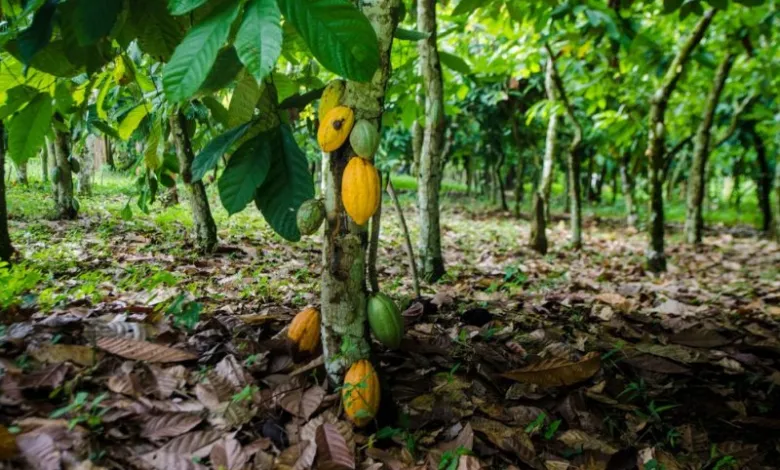
Cocoa farmers across Ivory Coast are entering the mid-crop season with cautious optimism. Trees remain productive, pods are visibly abundant, and harvesting activity is beginning to gather pace. Yet, beneath this encouraging outlook lies a familiar and pressing concern: insufficient rainfall.
In several key growing regions, precipitation levels have fallen below average in recent weeks, raising concerns about the quality of beans expected from the March-to-August mid-crop. While farmers are not yet warning of crop failure, they are increasingly clear that without consistent rain, the final output may fall short of market expectations.
For now, conditions in the fields appear stable. Farmers report a healthy mix of small, medium, and mature pods, with harvesting expected to intensify between May and July. But cocoa production is not only about the number of pods on trees. The development of high-quality beans within those pods depends heavily on adequate moisture.
In Daloa, one of the country’s key cocoa-producing zones, the impact of dry conditions is already being felt. Farmer Albert N’Zue described the situation simply: the heat has helped beans dry well, but the trees need rain to sustain the rest of the season. Last week’s rainfall in the area was significantly below the five-year average, underscoring the growing concern.
This delicate balance between dryness and moisture is shaping the outlook for the mid-crop. In central regions such as Daloa, Bongouanou, and Yamoussoukro, the lack of rain has had a short-term benefit improving the drying process for harvested beans. However, farmers warn that continued dryness could hinder the growth and quality of pods still developing on trees.
Elsewhere, even in areas that received above-average rainfall, the message from farmers remains consistent. In Soubre, for example, growers stress the need for steady and sustained rainfall to ensure beans reach optimal size and quality. A brief improvement in rainfall is not enough; what is needed is consistency.
This focus on quality is critical. Ivory Coast’s cocoa sector is not judged solely on production volumes. Bean size, weight, and overall quality play a major role in determining the value of the harvest. Uneven weather patterns can therefore result in a crop that appears strong in quantity but underperforms commercially.
Farmers across western, eastern, and southern regions including Soubre, Abengourou, Agboville, and Divo are united in their outlook: timely and regular rain over the coming weeks will be decisive for the mid-crop’s success.
The timing adds urgency to the situation. The country is currently in its rainy season, which typically runs from April to mid-November. While cloudy skies suggest that more rainfall could arrive soon, temperatures ranging between 29 and 33.2 degrees Celsius are increasing pressure on already strained soil moisture levels.
For now, the season remains full of potential. But farmers understand the fine margins at play. While heat can aid drying, it is rain that ultimately determines the quality of cocoa beans. And in a market where quality carries significant weight, that distinction could define whether this year’s mid-crop simply meets expectations or truly delivers.