

Fresh political analysis from Global InfoAnalytics has sparked renewed debate over what truly influences voting decisions in Ghana, with evidence suggesting that inflation, rising living costs and economic hardship matter far more to voters than campaign promises or political messaging.
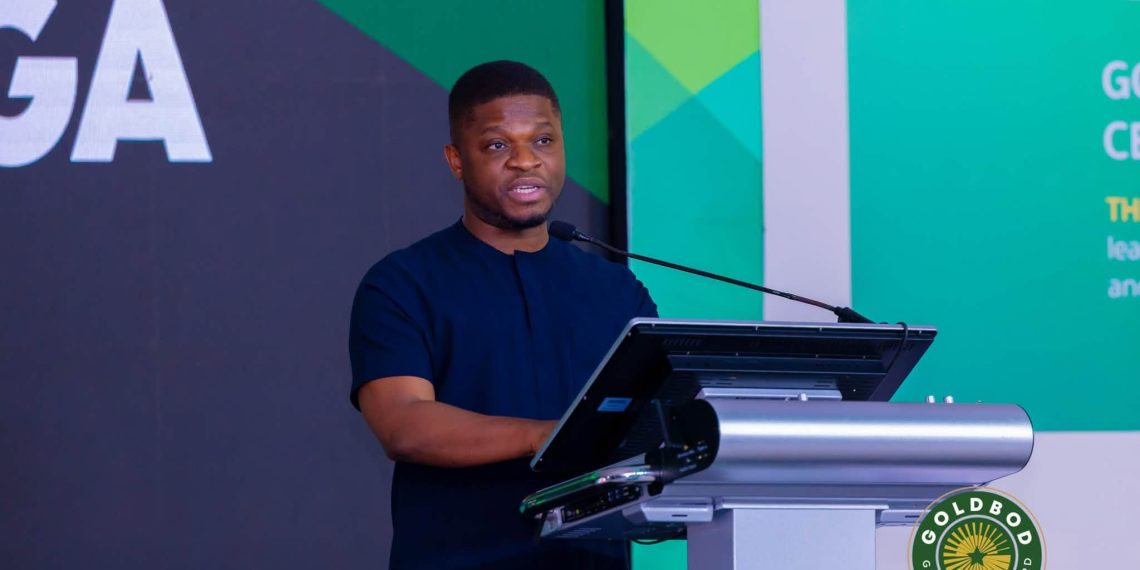
The analysis, presented by Global InfoAnalytics Executive Director Mussa Dankwa, follows a heated public exchange among political figures over whether economic stability alone is enough to win public support.
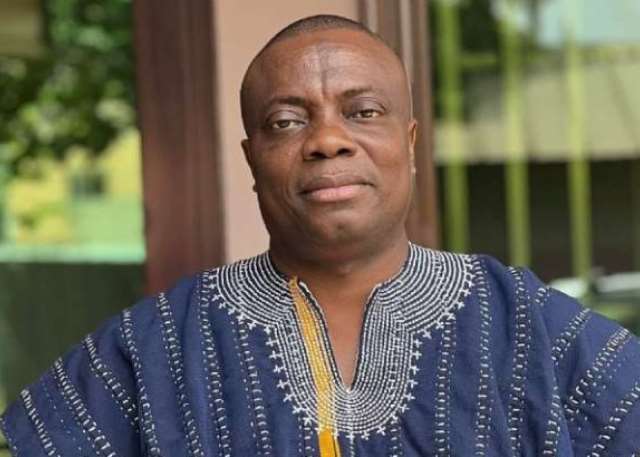
The debate began after Nana Akomea, a senior member of the New Patriotic Party (NPP) and Chair of Dr. Bawumia’s Policy Committee on Communications, argued that “Ghanaians do not eat stability and low inflation.”
His remarks quickly generated backlash, including a response from government spokesperson Felix Kwakye Ofosu, who countered that Ghanaians also “do not eat instability” and blamed the previous administration for what he described as economic mismanagement.
Amid the growing political debate, Mussa Dankwa pointed to polling data collected in October 2024, about three months before Ghana’s general election, saying the findings reveal what voters truly considered before casting their ballots.
According to him, the surveys focused heavily on public assessments of the economy and the government’s handling of key bread-and-butter issues affecting ordinary households.
“For voters, inflation and cost of living, which form part of the broader economy, perhaps is the key decider when they head to the polls,” Dankwa stated.
The data showed significant dissatisfaction with economic conditions at the time. About 41 percent of respondents rated the government’s overall management of the economy as poor or very poor, while 56 percent gave negative ratings specifically on inflation and the cost of living.
Dankwa argued that the figures reflected a growing gap between official economic messaging and the daily struggles of citizens dealing with high food prices, transport fares, rent increases and declining purchasing power.
He explained that while governments often highlight indicators such as exchange rate stability, lower inflation rates and improved fiscal balances, many voters judge economic performance based on their own living conditions.
The survey also examined how people viewed changes in their standard of living compared to the previous year.
According to Dankwa, 46 percent of respondents said their living conditions had worsened just three months before the election, a figure political analysts often consider dangerous for incumbent governments seeking re-election.
The polling further showed weak public confidence about the future. When respondents were asked whether they believed their standard of living would improve over the next 12 months if the government remained in office, only 40 percent said yes. Twenty percent believed conditions would not improve, while another 40 percent were uncertain.
Dankwa suggested that this lack of optimism likely influenced the outcome of the 2024 elections.
“We all saw what happened in the 2024 elections,” he remarked.
He also stressed that public perception about the overall direction of the country can be politically decisive.
Drawing on polling trends between January 2022 and January 2024, Dankwa said there is often a direct link between whether citizens believe the country is moving in the right or wrong direction and how they vote during elections.
“When people feel the country is moving in the wrong direction, it can become politically fatal for incumbent governments,” he stated.
While campaign messages, manifestos and party branding remain important parts of elections, the latest analysis suggests that voters ultimately prioritise how economic conditions affect their everyday lives.
As political parties continue debating the meaning of economic stability, the findings from Global InfoAnalytics appear to reinforce one key point when people feel economic hardship, it strongly shapes how they vote at the ballot box.
Source: The Vault news