

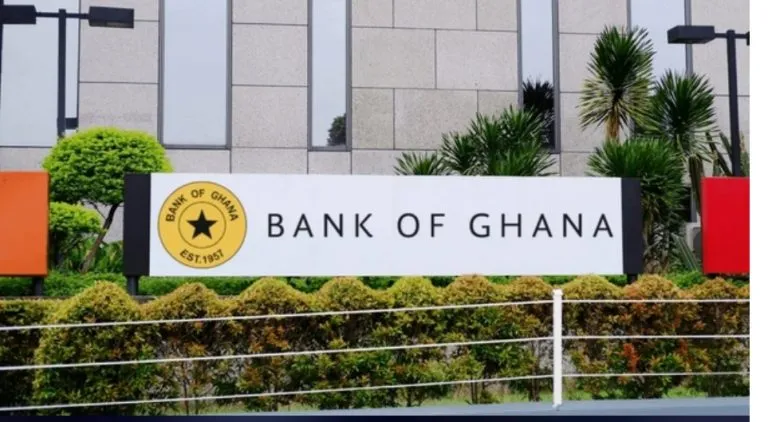
The Bank of Ghana (BoG) has withdrawn GH¢14.50 billion from the financial system through its latest 14-day bill auction, underscoring its commitment to keeping liquidity under control as inflation shows signs of edging higher.
According to the results of Tender 871 conducted on July 20, 2026, the central bank raised GH¢14,504.04 million through its 14-day Bank of Ghana bill. The auction attracted bids at a uniform rate of 10.46%, with both the lowest and highest accepted bid rates settling at the same level, reflecting stable market conditions.
The weighted average discount rate was also 10.46%, while the weighted average interest rate came in slightly higher at 10.50%.
The auction forms part of the central bank’s routine liquidity management operations, which are aimed at absorbing excess cash from the banking system to help maintain stable short-term interest rates and support its inflation-targeting framework.
The move comes as the Bank of Ghana’s Monetary Policy Committee (MPC) begins its 131st meeting to assess recent developments in inflation, liquidity conditions and broader economic activity.
Opening the meeting, Governor Dr Johnson Pandit Asiama said the Committee would review how recent monetary measures, including changes to the Cash Reserve Ratio (CRR) framework, are influencing liquidity and the transmission of monetary policy. The Bank recently replaced the dynamic CRR system with a uniform 20.00% reserve requirement for domestic currency deposits.
The latest liquidity mop-up also comes at a time when inflation has increased for three consecutive months. Headline inflation rose from 3.20% in March to 5.30% in June. Although the rate remains below the Bank’s medium-term target band of 8.00%, plus or minus 2.00 percentage points, the upward trend has prompted closer monitoring of emerging price pressures.
By withdrawing GH¢14.50 billion from circulation, the central bank is signalling that it intends to maintain disciplined liquidity conditions while supporting macroeconomic stability.
Bank of Ghana bills are short-term instruments used to temporarily absorb excess liquidity from the banking sector. They help limit inflationary pressures, support exchange-rate stability and keep money market rates aligned with the central bank’s policy objectives.
The steady auction rate suggests that banks and other market participants continue to expect stable short-term liquidity conditions. Market analysts will also be watching the outcome of the MPC meeting for further guidance on the outlook for interest rates and monetary policy in the months ahead.