

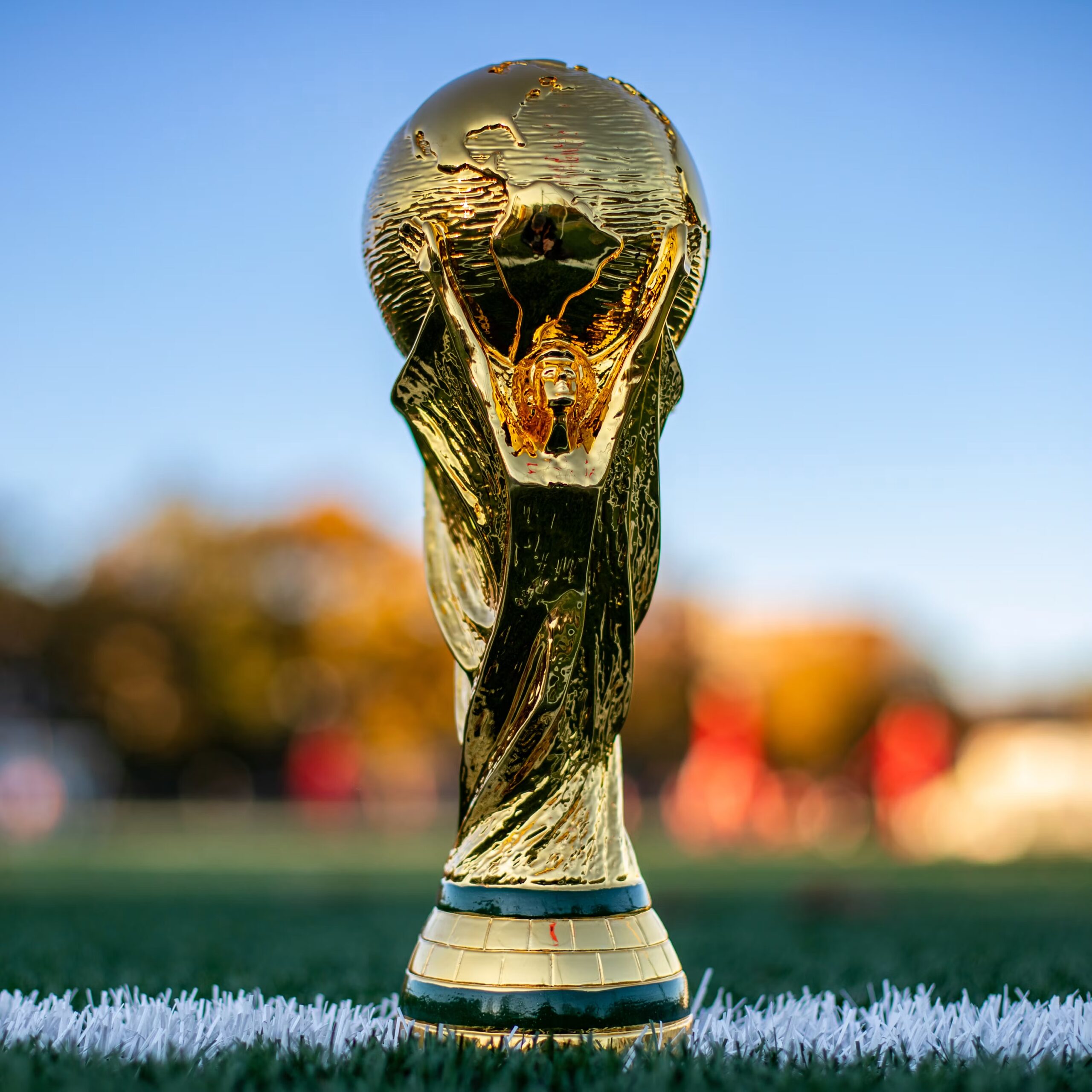
The 2026 FIFA World Cup has injected an estimated $20 billion into the United States economy, driving a major surge in consumer spending and business activity across host cities.
According to the Bank of America, the tournament contributed to the strongest increase in consumer spending in more than four years, with cities hosting World Cup matches recording significant gains as millions of fans arrived to watch the games.
Host cities such as Kansas City have seen some of the biggest increases, with supporters spending heavily at bars, restaurants, hotels, and other local businesses. Data also shows that fans are spending about 5% to 6% more compared to the same period last year.
The economic benefits have extended beyond tourism and entertainment, with sectors including hospitality, transportation, retail, financial services, and local businesses experiencing increased activity.
Reports from CNBC and Bloomberg indicate that the World Cup’s economic influence is creating wider spillover effects, supporting businesses that are benefiting from the rise in visitors and increased demand.
Analysts say the impact of the tournament is expected to continue long after the final whistle, as host cities benefit from increased global visibility, returning tourists, and new investments in infrastructure and services.