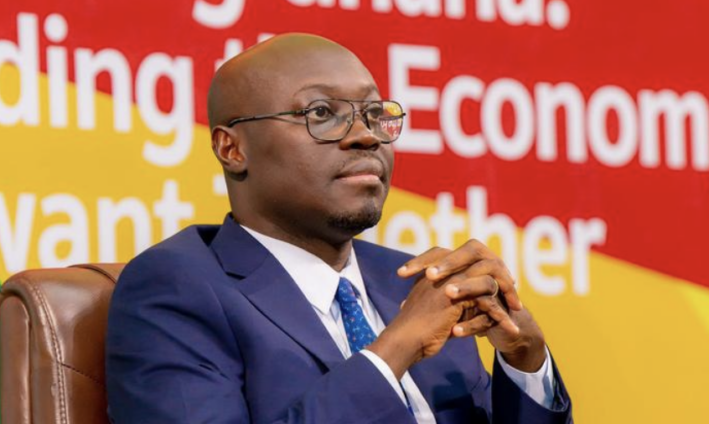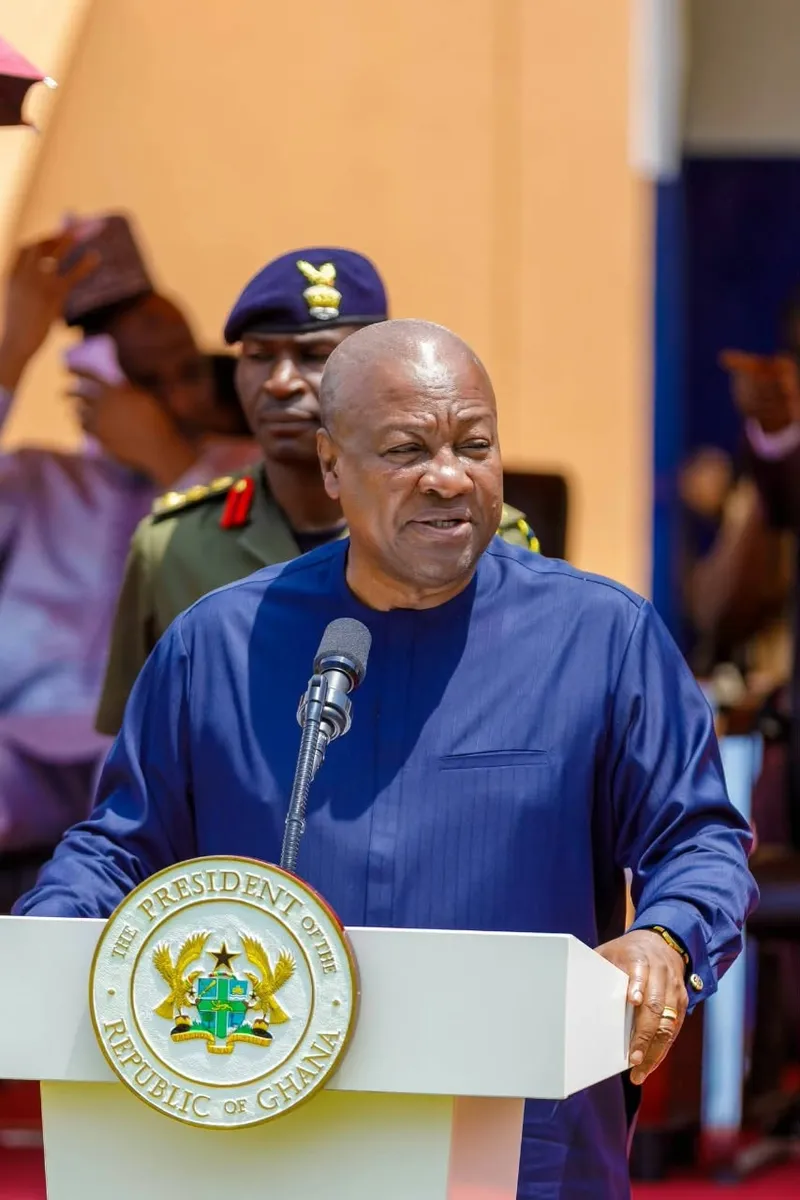



Minister for Communication, Digital Technology and Innovations, Hon.Samuel Nartey George, has stressed the need to improve internet connectivity in rural communities as Ghana continues its efforts to expand fifth-generation (5G) mobile technology across the country.
According to the Minister, Ghana’s digital transformation must benefit every community, particularly rural areas where residents continue to struggle with poor network coverage and unreliable internet services.
He warned that focusing mainly on improving connectivity in major cities such as Accra and Kumasi could widen the digital gap between urban and rural communities.
Speaking during an inspection of Rural Telephony Project sites in the Sekyere Afram Plains District of the Ashanti Region on October 13, 2026, Mr George directed the Ghana Investment Fund for Electronic Communications (GIFEC) to speed up network expansion to three additional communities.
The inspection took him to Nyameama No. 1, Nyameama No. 2, Dawia and Abenua, where he assessed the progress of telecommunications infrastructure and identified challenges affecting network operations.
As part of efforts to improve connectivity, the government is working to upgrade rural telecommunications sites from 3G to a minimum of 4G, while preparing the infrastructure to support future 5G services.
During an earlier inspection, the Minister emphasised the importance of keeping Ghana’s telecommunications infrastructure up to date with global technological developments.
“The world has moved to 5G, getting to 6G, so at the very least we must give 4G to our networks,” he stated.
He added that Ghana must invest in upgrading rural telephony sites to ensure they can support modern communication services.
The government also intends to conduct an audit of existing rural telecommunications facilities to determine their operational status and identify projects that have either been abandoned, left incomplete or are failing to provide reliable services.
The move is expected to help authorities address infrastructure challenges and ensure that investments in rural connectivity deliver meaningful benefits to communities.
Improved internet access in rural areas could create opportunities for farmers, traders, students, healthcare providers and small businesses.
For farmers, reliable connectivity would make it easier to access weather updates, market prices and agricultural information to support their activities. Small businesses could also take advantage of digital platforms to reach customers, receive payments and expand their operations.
Schools in underserved communities would benefit from access to online learning materials, while healthcare facilities could use digital services to improve communication and access specialist medical support.
However, expanding telecommunications infrastructure to rural areas comes with challenges, including the high cost of installing equipment, maintaining network sites and providing reliable electricity.
These difficulties often discourage private telecommunications operators from investing heavily in communities where commercial returns may be limited.
GIFEC is therefore expected to play an important role in bridging the connectivity gap by supporting telecommunications development in underserved areas.
Meanwhile, the government is collaborating with MTN Ghana to deploy 800 additional telecommunications sites across the country.
The initiative forms part of MTN’s commitment to invest more than US$1.1 billion over three years to improve network capacity, service quality and 5G deployment.
Beyond infrastructure development, affordability remains a major concern, as many rural households may still struggle to purchase smartphones or pay for mobile data despite improvements in network coverage.
There are also concerns about damage to telecommunications infrastructure. Government figures indicate that Ghana recorded 8,578 fibre-optic cable cuts by August 2026, resulting in service disruptions and additional repair costs for network operators.
Addressing these challenges will require stronger collaboration among telecommunications companies, road contractors, utility providers and local authorities to protect existing infrastructure.
The government’s rural connectivity agenda is expected to ensure that communities outside major cities are not excluded from the opportunities created by Ghana’s growing digital economy.
As the country advances its 5G ambitions, attention is increasingly turning to the need for reliable, affordable and accessible internet services for all Ghanaians.
For the Minister, the success of Ghana’s digital transformation should not be measured only by the introduction of faster networks in urban centres, but also by the ability of rural communities to access and benefit from modern telecommunications services.