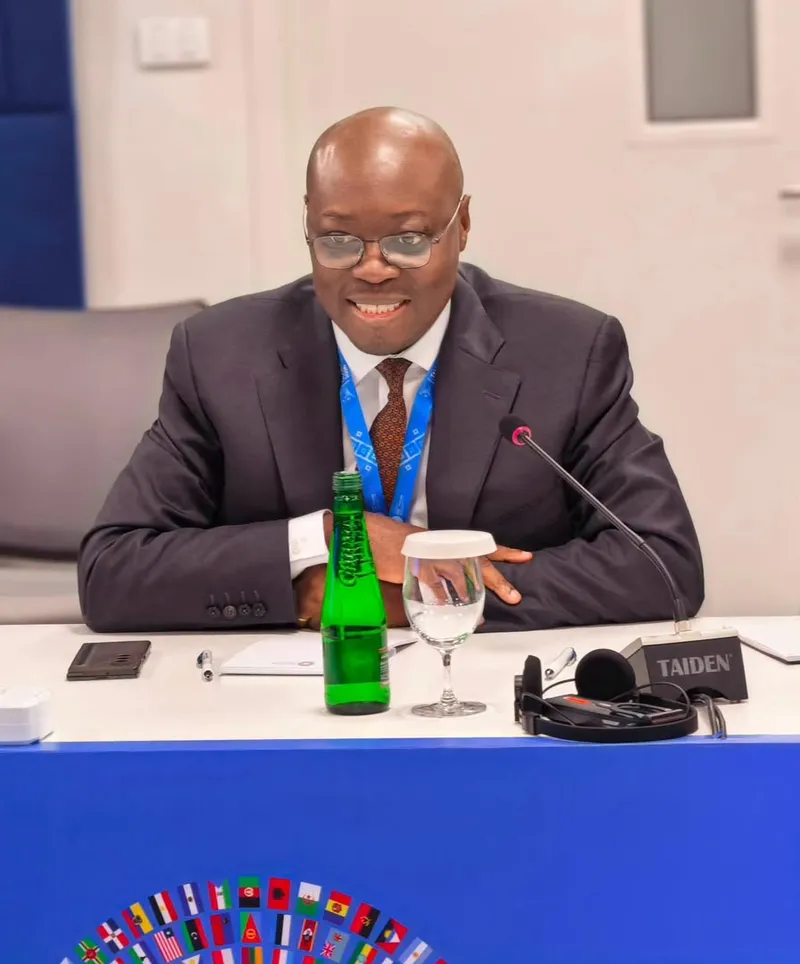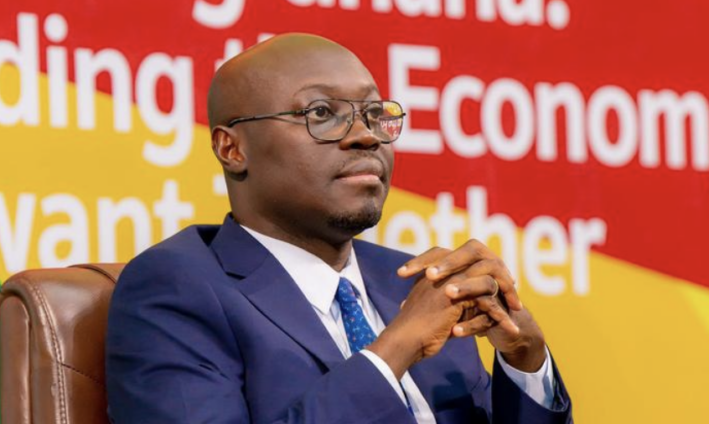


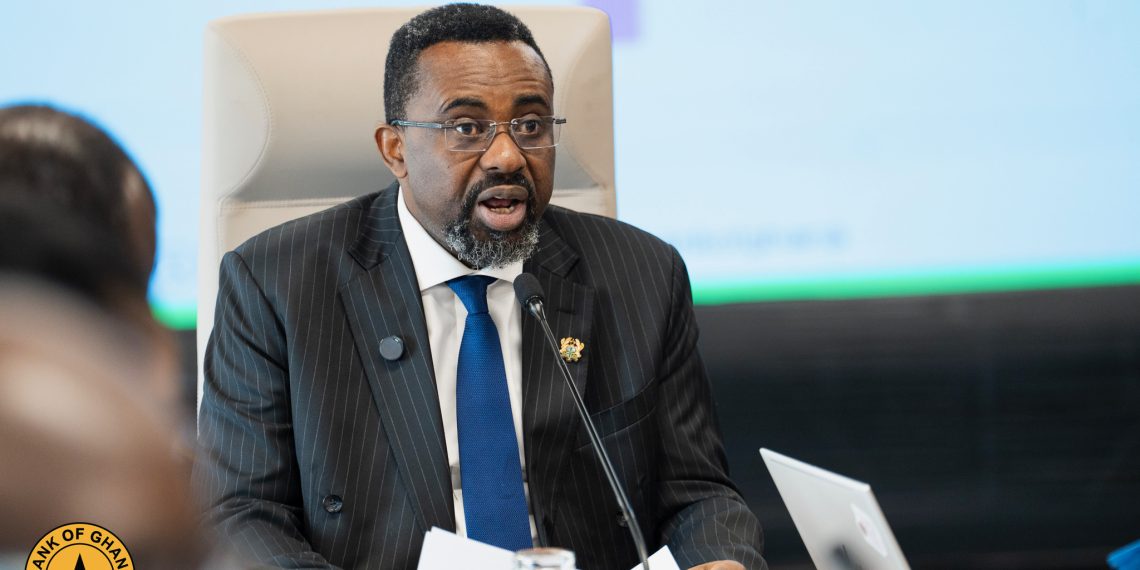
Bank of Ghana Governor, Dr Johnson Pandit Asiama, has called on the International Monetary Fund (IMF) to strengthen its support for Africa’s digital transformation, warning that the continent risks falling further behind if challenges involving cybersecurity, regulation, infrastructure and financing are not urgently addressed.
Speaking at the African Caucus Meeting with the IMF Managing Director during the 2026 Annual Meetings in Bangkok, Thailand, Dr Asiama stressed the need for African countries to take an active role in shaping the future of artificial intelligence (AI) and digital technology.
According to him, AI is already transforming productivity, financial services, governance and economic competitiveness across the world. He noted that Africa must develop the necessary skills, institutions and infrastructure to benefit from these changes rather than remain dependent on technologies developed elsewhere.
“Without urgent and coordinated action, the continent risks falling even further behind,” he warned.
Dr Asiama acknowledged the significant progress African countries have made in digital payments, mobile money, digital identification and financial technology. These innovations, he explained, have improved financial inclusion and created new opportunities for businesses and individuals.
However, he expressed concern that the rapid adoption of digital technologies has not always been matched by strong regulatory systems, adequate cybersecurity measures and sufficient investment in digital infrastructure.
He cautioned that without proper safeguards, the continent’s growing reliance on digital platforms could expose financial institutions, businesses and consumers to cyberattacks, fraud and other technological risks.
To address these challenges, the Governor outlined two key areas where the IMF could provide greater assistance.
The first involves expanding technical support and capacity-building programmes tailored to the specific needs of African economies.
“We first call upon the Fund to scale up tailored capacity development and to support a stronger Africa’s voice in shaping global digital norms,” Dr Asiama said on behalf of his fellow governors.
He explained that African countries have different levels of technological development and institutional capacity, making it important for international support programmes to reflect their individual circumstances.
Such assistance, he indicated, should focus on strengthening AI governance, cybersecurity, financial supervision and digital-risk management.
Dr Asiama also emphasised the importance of equipping central banks and financial regulators with the technical expertise and modern systems needed to monitor emerging technologies and protect financial stability.
His second appeal focused on the IMF’s role in examining how artificial intelligence and digital transformation affect economic growth and financial systems.
He urged the Fund to incorporate AI-related opportunities and risks into its regular economic assessments and Financial Sector Assessment Programmes.
According to the Governor, greater attention must be given to how AI could influence employment, productivity, financial resilience and inclusive economic growth.
While artificial intelligence has the potential to improve efficiency, reduce business costs and create new economic opportunities, he cautioned that its benefits may not be evenly distributed.
Countries and businesses without access to reliable electricity, affordable internet, skilled workers and modern computing infrastructure could struggle to compete in an increasingly technology-driven global economy.
Dr Asiama further called for stronger cooperation among African countries in developing policies on data protection, digital trade and cross-border AI regulation.
He indicated that greater policy coordination would help African technology businesses operate across national borders while protecting consumers and strengthening confidence in digital services.
The Governor also highlighted the need for affordable financing to support digital public infrastructure, including broadband connectivity, secure payment systems, digital identification platforms and other essential technologies.
He stressed that narrowing Africa’s digital divide would require stronger partnerships between governments, development institutions and the private sector.
Beyond financing and technical assistance, Dr Asiama called for Africa to have a stronger voice in international discussions on AI governance and digital standards.
He warned that decisions about the future of digital technology should not be shaped solely by advanced economies without considering the development needs and challenges facing African countries.
For Ghana and other African economies, the Governor’s message reinforces the importance of balancing technological innovation with effective regulation, cybersecurity and long-term investment.
He maintained that Africa’s ability to benefit from artificial intelligence would depend not only on how quickly countries adopt new technologies but also on their capacity to regulate, secure and manage them.
Dr Asiama’s appeal ultimately places greater responsibility on both African governments and international development partners to ensure that the continent’s digital transformation supports sustainable economic growth, financial stability and broader opportunities for its people.