

Ghana’s worsening road conditions are imposing growing costs on commuters, businesses and households, prompting CUTS International, Accra, to call for increased funding for road maintenance in the 2026 Mid-Year Budget Review.
The policy think tank says the extensive damage caused by this year’s heavy rains has left many roads, bridges and drainage systems in critical condition, with some road sections deteriorating beyond potholes into deep gullies that pose serious safety and economic risks.
According to CUTS, poor roads have become more than just an inconvenience. They are increasing fuel consumption, vehicle maintenance costs and travel times while disrupting business activities and raising transportation expenses for traders, farmers and workers.
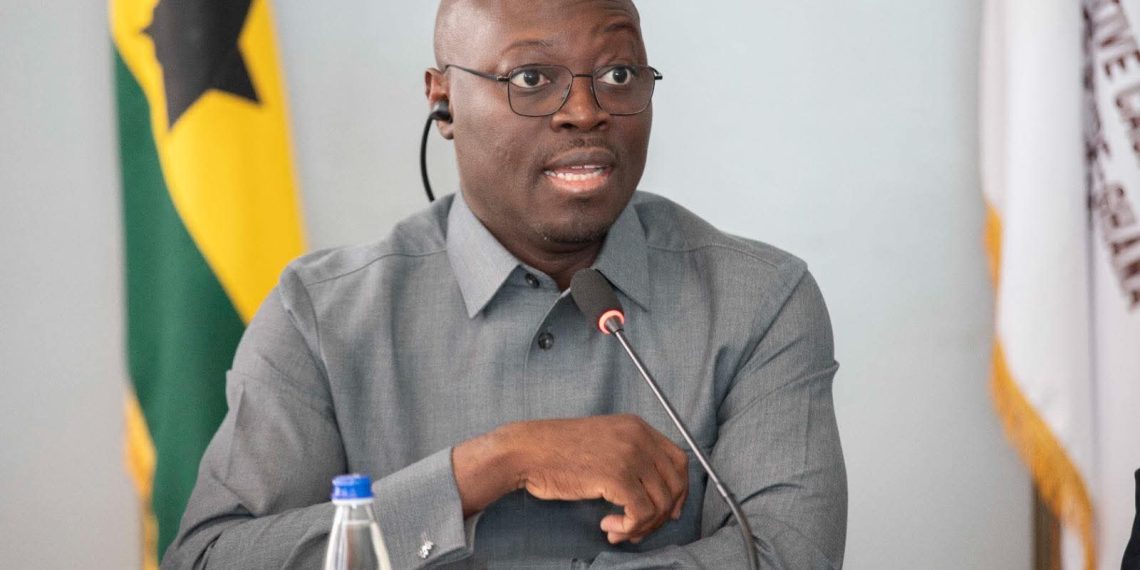
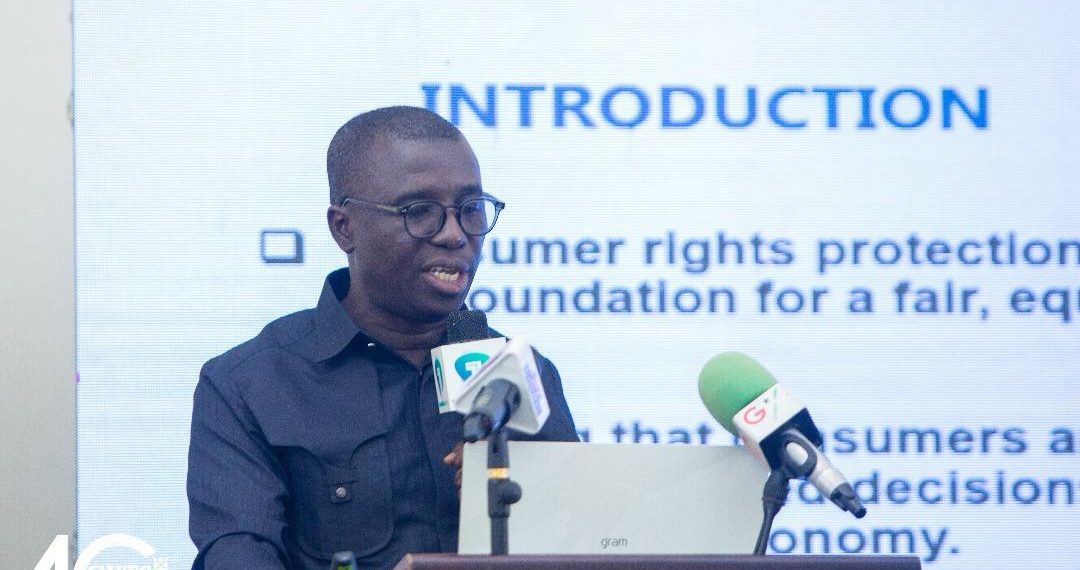
“Every day, ordinary Ghanaians are paying the price for bad roads. They spend more time in traffic, pay more to fix their cars, use more fuel and face higher risks on the road. This is no longer about minor potholes. In many places, the roads are breaking down badly, and the government must respond with urgency,” said Appiah Kusi Adomako, Director of the West Africa Regional Centre of CUTS International, Accra.
The appeal comes as government prepares the 2026 Mid-Year Budget Review, which provides an opportunity to adjust spending priorities in response to emerging national challenges.
CUTS believes road maintenance should be a major priority in the review, warning that delaying intervention until after the rainy season could lead to even greater deterioration and significantly higher repair costs.
While acknowledging that road repairs are generally more effective during the dry season, the organisation argues that some damaged roads now require immediate emergency works to ensure they remain safe and accessible.
The think tank cautioned against relying solely on temporary repairs, noting that many potholes reappear shortly after being patched because underlying issues such as poor drainage, weak road foundations, flooding and inadequate supervision are left unresolved.
It is therefore urging government to invest in comprehensive maintenance programmes that include drainage improvements, bridge rehabilitation and stricter oversight of road construction and repair projects.
CUTS also warned that the government’s infrastructure expansion agenda should not overshadow the need to preserve existing roads.
Although it welcomed ongoing investments under the Big Push programme, the organisation stressed that maintaining current road assets is just as important as building new ones.
“As government pursues its Big Push in road construction, we must remember that a road network is only as strong as its weakest link. New roads are important, but existing roads must also be protected. We cannot build new roads with one hand and allow older roads to collapse with the other,” Mr Adomako said.
The organisation noted that successive governments have often prioritised new road projects while allocating less attention and funding to maintenance. This approach, it argued, ultimately leads to higher rehabilitation costs and greater pressure on public finances.
CUTS described routine maintenance as one of the most cost-effective ways of protecting public investment and reducing the burden on road users.
The group observed that approximately GHS3 billion was allocated to the Ghana Road Maintenance Trust Fund in the 2026 Budget, compared with an estimated GHS3.1 billion that flowed into the fund in 2025. However, it believes the scale of damage caused by recent rains justifies additional allocations through the Mid-Year Budget Review.
“The Road Fund must be strong enough to do what it was created to do. If we do not put enough money into road maintenance today, the cost will not disappear. It will be paid by drivers, passengers, businesses, farmers, traders and families through higher transport costs, damaged vehicles, lost time and avoidable accidents,” Mr Adomako stated.
The organisation further called for Metropolitan, Municipal and District Assemblies to be adequately resourced to respond quickly to local road and bridge failures.
According to CUTS, local assemblies are often the first institutions to identify road infrastructure problems and should therefore have the financial capacity and authority to address them before they escalate.
It also urged the Ministry of Roads and Highways to resolve outstanding issues surrounding the suspended National Roads Authority Act, 2024 (Act 1118), arguing that the continued suspension of the legislation is limiting effective decentralised road management.
In addition, CUTS renewed calls for the reintroduction of road tolls through a modern, technology-driven collection system. The organisation noted that the suspension of tolls in 2021 removed a significant source of revenue for road maintenance and believes a transparent digital tolling system could help generate sustainable funding for repairs and rehabilitation.
CUTS stressed that while Ghanaians do not expect every road to be fixed immediately, they do expect dangerous roads, damaged bridges and severely deteriorated sections to receive prompt attention.
The organisation concluded that maintaining roads is essential to economic activity, as road networks connect people to schools, hospitals, markets, farms and workplaces. Without adequate maintenance, it warned, the wider economy will continue to bear the cost.
For CUTS, the message ahead of the Mid-Year Budget Review is clear: preserving existing road assets and funding emergency repairs must become a national priority if Ghana is to build a resilient and efficient transport system.