

The Government of Ghana has transferred GH¢402.40 million to the Minerals Development Fund (MDF) in 2026, providing a major boost to efforts aimed at improving living conditions in mining communities across the country.
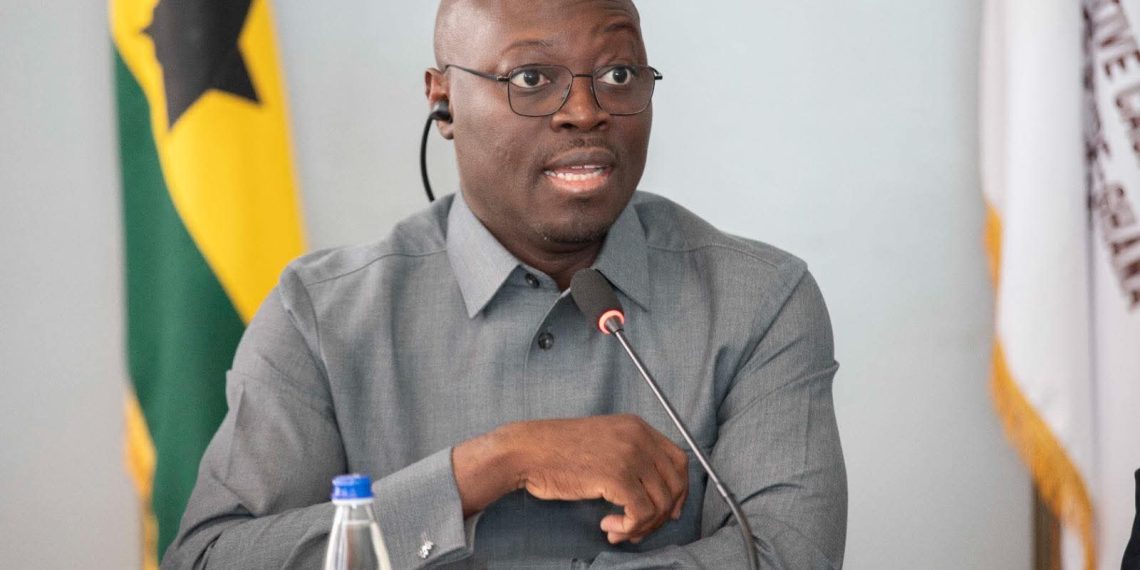
The announcement, made by Deputy Minister for Finance Thomas Ampem Nyarko, has renewed focus on how mineral royalties are being used to support communities that host mining operations and bear many of the environmental and social impacts associated with extraction activities.
The Minerals Development Fund was established under the Minerals Development Fund Act, 2016 (Act 912) to ensure that a portion of Ghana’s mineral wealth directly benefits mining communities, traditional authorities, local government institutions, and organizations involved in the development of the mining sector.
For many observers, the latest transfer represents more than just a financial allocation. It is an opportunity to address long-standing concerns about the gap between the wealth generated by mining and the living conditions of many communities located near mining sites.
Despite Ghana’s success as one of Africa’s leading gold producers, several mining communities continue to face challenges including poor road networks, inadequate healthcare facilities, limited access to clean water, environmental degradation, and insufficient employment opportunities outside the mining sector.
The GH¢402.40 million allocation is expected to support infrastructure projects, community development initiatives, environmental restoration programs, and other interventions aimed at improving the quality of life in affected areas.
However, stakeholders say the real measure of success will not be the amount transferred but how effectively the funds are utilized.
Residents in mining communities have often called for greater accountability in the management of mineral royalties, arguing that development projects funded through such allocations must address their most pressing needs rather than serve political interests.
Analysts have stressed the importance of ensuring that project selection is based on community priorities and that beneficiaries are actively involved in decision-making processes. They argue that investments should focus on areas such as potable water, healthcare, education, sanitation, road infrastructure, and sustainable livelihood programs where they are most needed.
The latest allocation also places additional responsibility on the Minerals Development Fund Board to ensure transparency in the disbursement and management of the resources. Calls have intensified for publicly accessible records showing how funds are distributed, which communities benefit, and the progress of projects financed through the Fund.
The transfer comes at a time when government is pursuing broader reforms within the mining sector, including efforts to increase local participation, strengthen royalty management, and maximize national benefits from Ghana’s mineral resources.
Many believe that demonstrating visible development in mining communities is essential to maintaining public confidence in the sector and securing support for future mining investments and expansion.
Civil society organizations and governance experts have consistently advocated stronger oversight of mineral royalty spending, arguing that transparency and accountability are critical to ensuring that mining revenues contribute meaningfully to local development.
As the GH¢402.40 million begins to flow into development projects, attention will now shift to implementation. The success of the allocation will ultimately be judged by whether it delivers tangible improvements in the lives of people living in Ghana’s mining communities.
For many residents, the expectation is simple: that the country’s mineral wealth should result in better roads, quality schools, reliable healthcare, clean water, and sustainable economic opportunities for the communities that contribute directly to the nation’s mining success.