

Ghana’s handicrafts industry has recorded a remarkable 500 percent increase in export performance, emerging as the fastest-growing segment within the country’s non-traditional export sector.
The achievement was highlighted by Rashid Raymond Kramer during the Eye on Port media forum, where he pointed to the growing international demand for Ghanaian-made ornaments, Adinkra-inspired products, paintings, woodcrafts and other handcrafted artefacts.
The surge reflects a broader shift in global consumer preferences toward handmade products that embody culture, heritage and authenticity. Increasingly, buyers are seeking products with unique stories and strong cultural identities, creating new opportunities for Ghanaian artisans and exporters.
The development comes as Ghana continues efforts to diversify its export base and reduce reliance on traditional commodities such as gold, cocoa and crude oil. While export discussions have traditionally focused on agriculture, manufacturing and processed goods, the latest figures suggest that cultural and creative products are becoming an important source of foreign exchange earnings.
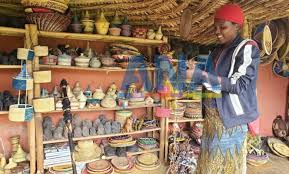
Products such as Adinkra-themed décor, carved wooden artefacts, baskets, paintings, jewellery and home accessories are attracting attention in international markets. Beyond their commercial value, these items showcase Ghana’s rich cultural heritage and artistic traditions.
Industry stakeholders believe the sector has significant potential to contribute more to economic growth if artisans receive greater support in areas such as branding, product development, market access and export financing.
However, challenges remain. Many producers operate on a small scale and often struggle with access to capital, export documentation, packaging requirements and international distribution networks. These constraints can limit their ability to meet growing demand from overseas buyers.
Experts say sustaining the sector’s momentum will require a transition from fragmented production to structured export value chains. This includes improving product finishing, standardising quality, encouraging design innovation and connecting artisans to e-commerce platforms, trade fairs, tourism markets and international retailers.
Global demand for cultural products is increasingly driven by storytelling and authenticity. Consumers want to understand the origins of the products they purchase, the traditions they represent and the communities that produce them.
Ghana possesses several competitive advantages in this space. Its Adinkra symbols, traditional textiles, visual arts and woodcraft traditions are widely recognised and carry strong cultural significance. These elements can be incorporated into a wide range of products, from fashion and jewellery to stationery and lifestyle accessories.
The Ghana Export Promotion Authority has also identified textiles, garments and fashion products as promising export opportunities, citing growing international demand for kente and other culturally inspired Ghanaian designs.
Observers believe a coordinated creative export strategy could bring together handicrafts, fashion, textiles, jewellery, leather goods, paintings and home décor under a unified Ghanaian cultural brand. Such an approach would create opportunities for artisans, designers, manufacturers and exporters while enhancing Ghana’s presence in global lifestyle markets.
The sector also aligns with the government’s industrialisation and 24-hour economy agenda. Creative exports have the potential to generate employment across production, design, packaging, logistics, retail, tourism and digital marketing, particularly in regions with strong craft traditions.
Access to affordable financing remains one of the biggest barriers to growth. Many artisans lack the working capital needed to purchase raw materials, invest in equipment or fulfil large export orders. In addition, many small producers require training in areas such as pricing, digital marketing, intellectual property protection and export procedures.
As demand for Ghanaian cultural products grows, industry experts are also calling for stronger measures to protect local designs from imitation. A national certification system or “Made in Ghana” cultural products label could help distinguish authentic Ghanaian handicrafts from cheaper foreign copies while boosting buyer confidence.
The growth in handicrafts exports also presents an opportunity to strengthen the connection between tourism and trade. Tourists who purchase Ghanaian crafts during their visits can become long-term customers and ambassadors for local brands through online platforms after returning home.
The latest figures demonstrate that Ghana’s creative economy is becoming an increasingly important contributor to trade, employment and national branding. However, stakeholders caution that the impressive 500 percent growth should be viewed as a foundation for future expansion rather than a final destination.
Sustaining that growth will require continued investment in quality improvement, branding, financing, market access and stronger organisation among producers across the value chain.