
Ghana’s proposed Women’s Development Bank is edging closer to operational take-off after government confirmed a GHS 500 million seed capital injection, significantly strengthening plans to establish the institution, which is now awaiting final licensing approval from the Bank of Ghana.
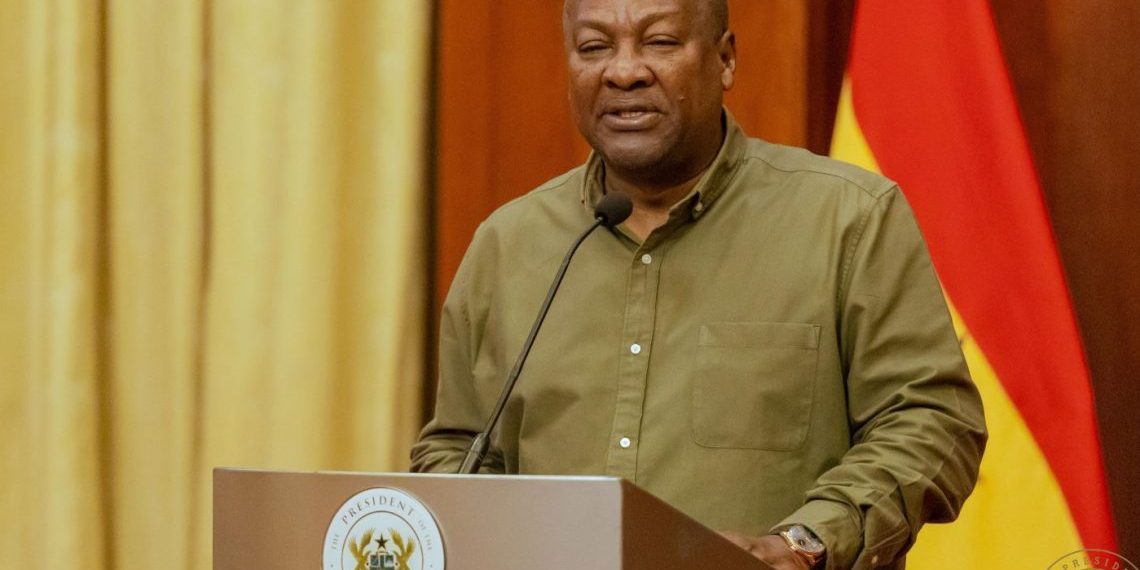
The specialised bank, one of President John Dramani Mahama’s key campaign commitments on women’s economic empowerment, is expected to provide affordable and flexible financing to women-owned and women-led businesses across the country, particularly micro, small and medium-sized enterprises.
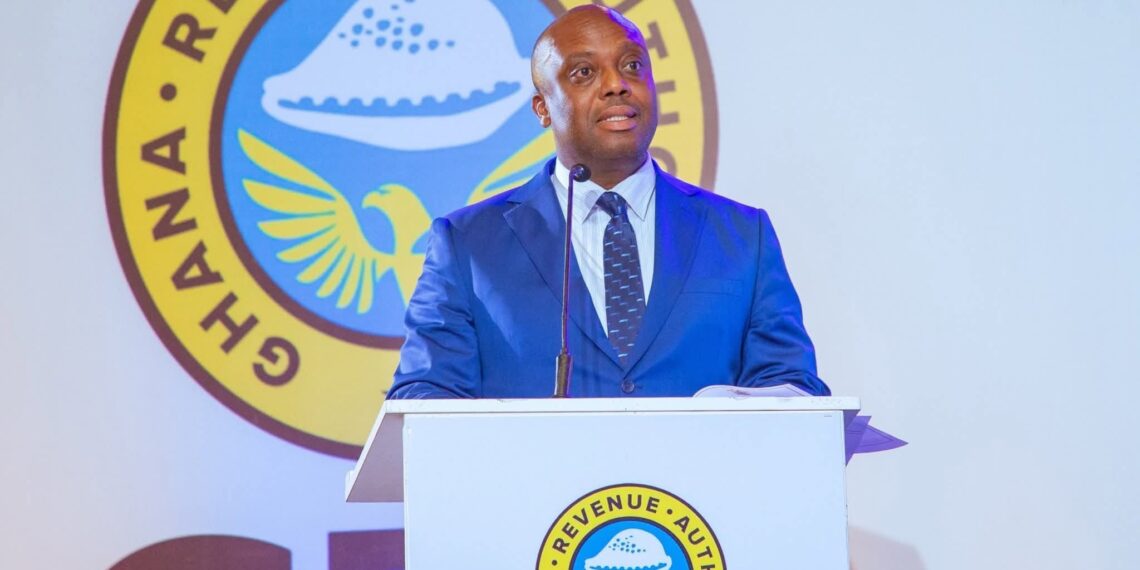
Deputy Finance Minister Thomas Nyarko Ampem disclosed that the bank has already been registered, with government now waiting for regulatory approval from the central bank before it can begin full operations.
The latest capital allocation marks a sharp increase from the initial GHS 51.3 million set out in the 2025 Budget for the establishment of the bank. That earlier figure attracted concern from some analysts, who argued it fell far short of the minimum capital required for a fully licensed bank.
With the revised GHS 500 million commitment, government is signalling stronger financial backing for the project and a clearer path from policy announcement to implementation.
The bank is expected to target women entrepreneurs who often face barriers in accessing credit, including lack of collateral, limited financial records, high interest rates, and the informal structure of many women-led enterprises.
Women remain central to Ghana’s economy, especially in sectors such as trading, agriculture, food processing, textiles, retail, and services. However, access to sustainable and affordable financing continues to be a major constraint on expansion and productivity.
The Bank of Ghana has previously noted that a dedicated institution focused on women could help close existing financing gaps and support greater financial inclusion across key sectors.
Supporters of the initiative believe the bank could introduce tailored financial products such as lower collateral requirements, group lending systems, financial literacy programmes, business development support, and digital banking solutions designed for women-owned MSMEs.
They also argue that improving women’s access to finance has broader economic benefits, including job creation, household stability, food security, and stronger local economies.
However, analysts caution that the success of the bank will depend heavily on how it is structured and managed. They warn that without strong governance and professional oversight, the institution could risk becoming another politically driven lending scheme rather than a sustainable financial institution.
For that reason, regulatory approval from the Bank of Ghana is expected to focus on capital adequacy, governance structures, risk management systems, liquidity, and overall business viability.
The financial sector clean-up in recent years is often cited as a reminder of the risks associated with weak supervision and poor lending practices. As a result, there is increased pressure to ensure that the Women’s Development Bank is built on strong foundations from the outset.
Beyond credit provision, experts suggest the bank should integrate broader support services such as financial literacy training, business registration assistance, digital payment systems, and market access support to improve the long-term success of beneficiaries.
There are also calls for the institution to leverage digital tools and alternative credit scoring methods, including mobile money transaction histories and informal market data, to reach women who are often excluded from traditional banking systems.
If successfully implemented, the Women’s Development Bank could become a key pillar in Ghana’s gender-focused financial ecosystem and a major step toward addressing long-standing credit gaps affecting women entrepreneurs.
With registration completed and regulatory approval pending, the project is now transitioning from policy design to practical execution.
The challenge ahead will be ensuring that the bank is not only launched, but also built to last.