Ghana’s public debt increased to GH¢733.9 billion by July 2026, with the rise largely driven by growth in domestic borrowing, according to the latest Bank of Ghana Summary of Economic and Financial Data.
The figure represents an increase of GH¢70.5 billion from the GH¢663.4 billion recorded in January, translating into a 10.63 per cent rise over the first seven months of the year.
Compared with the GH¢641.1 billion recorded at the end of December 2025, the July figure represents an increase of GH¢92.8 billion.
The increase has also pushed Ghana’s public debt-to-GDP ratio higher, from 41.50 per cent in January to 45.90 per cent in July.
The ratio rose steadily from 42.20 per cent in February to 42.90 per cent in March and 43.60 per cent in April. It reached 45.10 per cent in May before easing slightly to 45.00 per cent in June and rising again to 45.90 per cent in July.
Domestic debt accounted for the larger share of the increase during the period.
According to the Bank of Ghana data, domestic debt rose from GH¢341.0 billion in January to GH¢396.7 billion in July, representing an increase of GH¢55.7 billion, or about 16.33 per cent.
As a result, domestic debt increased from 21.30 per cent of GDP in January to 24.80 per cent in July.
By July, domestic debt accounted for approximately 54.05 per cent of Ghana’s total public debt when measured in cedi terms, compared with about 45.95 per cent for external debt.
The figures indicate that the recent growth in the country’s debt stock has been driven mainly by obligations raised or recorded domestically.
However, the Bank of Ghana data do not provide a detailed breakdown of the domestic increase by individual instruments or indicate how much of the rise is attributable to fresh borrowing, refinancing or other debt-management operations.
Ghana’s external debt presents a different picture depending on the currency used to measure it.
In US dollar terms, external debt declined from US$29.4 billion in January to US$28.8 billion in July, representing a reduction of US$600 million.
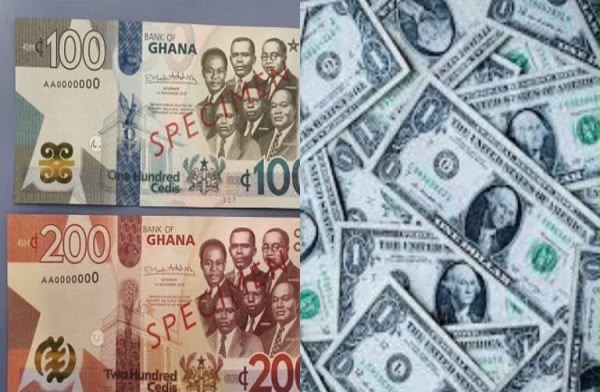
However, when converted into cedis, the external debt stock increased from GH¢322.4 billion to GH¢337.2 billion over the same period, a rise of GH¢14.8 billion, or approximately 4.59 per cent.
The difference reflects the impact that exchange-rate movements can have on the cedi value of foreign-currency debt.
The Bank of Ghana’s exchange-rate data show movements in the value of the cedi during the year, which can affect the local-currency value of external obligations even when the underlying dollar-denominated debt is declining.
The published debt figures, however, do not specify how much of the increase in the cedi value of external debt was directly attributable to exchange-rate movements.
Ghana’s debt stock did not increase every month.
Total public debt stood at GH¢720.8 billion in May before declining slightly to GH¢719.5 billion in June. It then increased by GH¢14.4 billion, or about 2.00 per cent, to GH¢733.9 billion in July.
In dollar terms, however, total public debt fell from US$63.4 billion in June to US$62.8 billion in July, highlighting the importance of currency denomination when assessing changes in the debt stock.
The July 2026 figure is also higher than the GH¢630.2 billion recorded in July 2025. Public debt rose to GH¢641.1 billion by December 2025 before increasing further during the first seven months of 2026.
Over the same period, the debt-to-GDP ratio increased from 43.90 per cent in July 2025 to 44.70 per cent in December and 45.90 per cent in July 2026.
The Bank of Ghana data use an annual nominal GDP figure of GH¢1.5971 trillion for 2026, compared with GH¢1.4 trillion for the 2025 observations.
Because the same annual nominal GDP figure is applied across the 2026 monthly series, changes in the debt-to-GDP ratio during the year largely reflect movements in the recorded debt stock.
Focus shifts to debt structure
The latest figures highlight the growing importance of the composition of Ghana’s debt, rather than the headline debt figure alone.
External debt stood at 20.20 per cent of GDP in January, fell to 19.60 per cent in February and subsequently rose to 21.10 per cent by July.
Domestic debt, meanwhile, increased more consistently, moving from 21.30 per cent of GDP in January to 24.80 per cent in July.
The figures do not, on their own, establish whether Ghana’s current debt position is sustainable. Factors such as debt-service costs, interest rates, maturity profiles, refinancing requirements and government revenue are also important in determining the pressure the debt stock places on public finances.
What the latest data show is that Ghana’s public debt has continued to increase in cedi terms following the major debt restructuring exercises of recent years.
The increase has been driven largely by domestic debt, while external debt has declined in US dollar terms but increased when measured in cedis.
By July 2026, Ghana’s total public debt had reached GH¢733.9 billion, equivalent to 45.90 per cent of GDP, with GH¢396.7 billion of the total coming from domestic debt.
The figures are likely to keep attention focused on the pace of domestic borrowing and how it compares with economic growth, government revenue and the country’s capacity to service its debt.