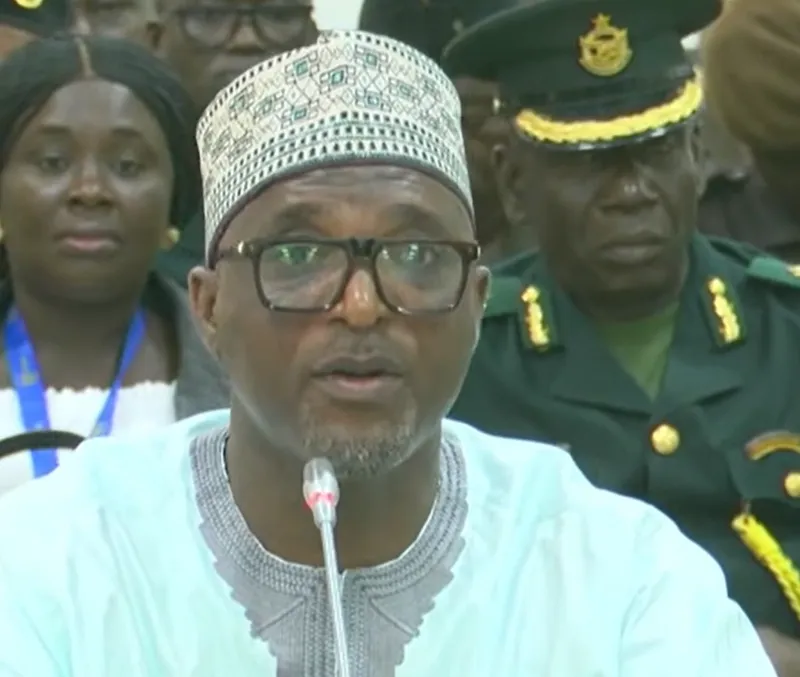


Ghana is facing a massive $22.6 billion funding gap in its efforts to tackle the growing effects of climate change, Minister of State for Climate Change and Sustainability, Seidu Issifu, has revealed.
The amount is needed to support both climate mitigation and adaptation measures as the country works to protect key sectors of the economy from worsening environmental threats.
According to the minister, major investment will be required to strengthen resilience in agriculture, energy and infrastructure, all of which are increasingly being affected by rising temperatures, flooding, drought and erratic rainfall patterns.
He warned that climate change is no longer just an environmental issue but an economic challenge that could slow growth, damage livelihoods and place additional pressure on government finances if urgent action is not taken.
The funding challenge also comes at a difficult time for Ghana’s economy as the country continues its broader macroeconomic recovery programme. This has raised concerns about how the government can finance large-scale climate projects without significant international support.
Analysts say climate-related disasters are already affecting agricultural production, destroying infrastructure and increasing the financial burden on the state. Without stronger adaptation measures, the long-term economic impact could deepen poverty levels and weaken economic stability.
Mr Issifu further highlighted the unfair burden placed on African countries, noting that although the continent contributes very little to global carbon emissions, it continues to suffer some of the harshest consequences of climate change.
This, he said, strengthens the case for developed countries to provide more concessional financing, climate support and technology transfer to vulnerable economies like Ghana.
Ghana’s climate agenda remains aligned with its commitments under the Paris Agreement, including plans to cut emissions, increase renewable energy use and develop climate-resilient systems. However, much of the country’s climate strategy still depends heavily on external funding.
With global climate finance flows still below what developing countries require, the minister stressed the urgent need for stronger international cooperation to help Ghana balance climate action with economic growth and long-term development.