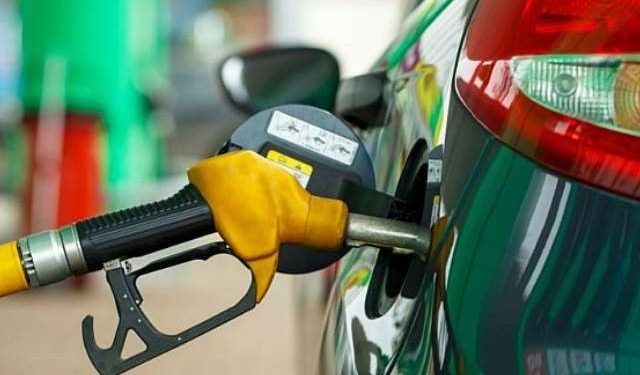
Fuel prices in Ghana could record a downward adjustment in the coming days following a sharp decline in global crude oil prices triggered by renewed diplomatic progress between the United States and Iran.
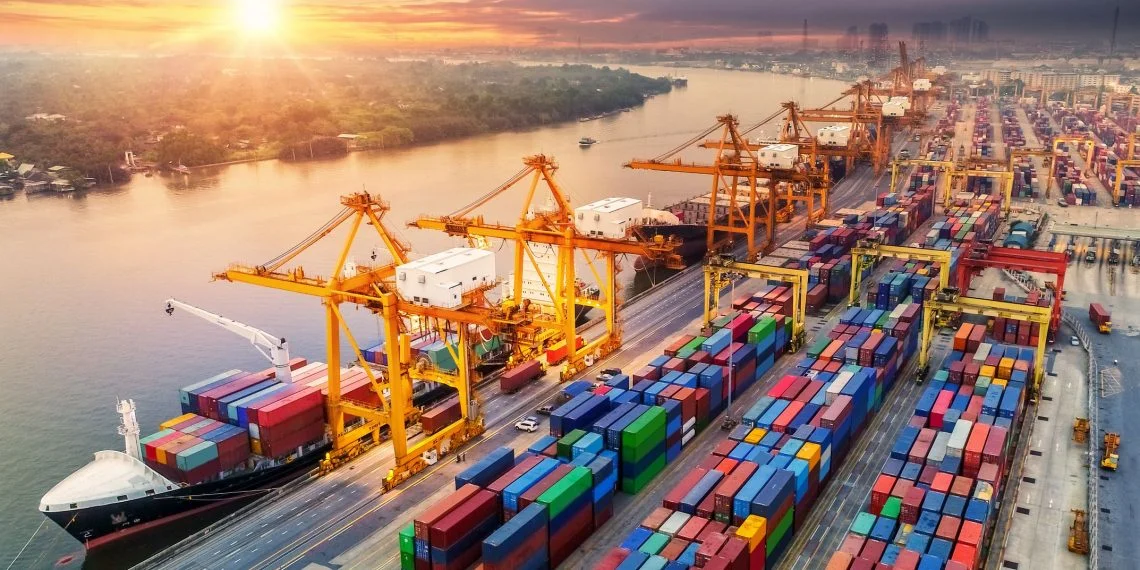
International oil markets fell significantly in Asian trading on Monday after reports of a breakthrough agreement aimed at easing tensions and reopening the Strait of Hormuz — a critical global route for crude oil and liquefied natural gas shipments.
The development, which was further highlighted by statements attributed to former U.S. President Donald Trump, is expected to allow smoother oil flow through the waterway, which handles a significant share of global energy trade.
Following the news, Brent crude dropped by about 4.8 percent to $83.18 per barrel, while West Texas Intermediate (WTI) fell by roughly 5.6 percent to $80.13 per barrel.
The decline in international prices has raised expectations that Ghana’s fuel import costs may reduce in the next pricing window. Any relief at the pumps, however, will depend on how oil marketing companies adjust their prices in line with domestic pricing mechanisms.
Officials and analysts say a formal signing ceremony for the agreement is expected later this week, with reports indicating possible talks scheduled for June 19 in Switzerland. Iranian officials have also confirmed that discussions with the United States have reached a conclusive stage.
Despite the optimism, energy experts caution that uncertainty still surrounds the implementation of the deal. Some warn that incomplete details could keep global markets volatile in the short term.
Market analysts also note that even if the agreement holds, disruptions in the Strait of Hormuz may take time to fully clear. Shipping backlogs and operational delays could persist for weeks as normal trade routes are restored.
The Strait of Hormuz, one of the world’s most important energy corridors, typically carries about 20 percent of global oil and gas shipments. Any disruption to its operations tends to have immediate effects on global energy prices.
Global financial markets reacted positively to the developments, with Asian stock indices rising sharply as investors welcomed signs of easing geopolitical tensions. Japan’s Nikkei 225 gained more than 5 percent, while South Korea’s Kospi also posted strong gains.
Oil prices have seen significant fluctuations in recent months, at one point surging close to $120 per barrel amid heightened tensions before easing back to lower levels prior to the latest developments.
For Ghana, which depends heavily on imported petroleum products, the latest drop in crude prices is being closely monitored as a possible relief factor for consumers already facing high fuel costs.