

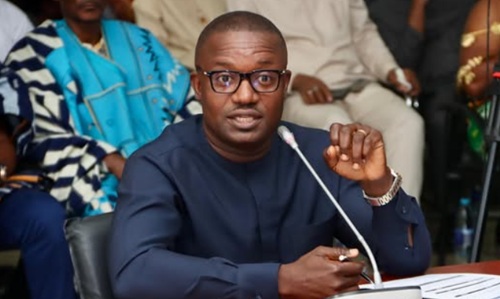
Ghana’s Minister for Energy and Green Transition, John Abdulai Jinapor, has said ongoing reforms in the country’s energy sector are beginning to deliver positive results, strengthening investor confidence and improving the financial sustainability of the power sector.
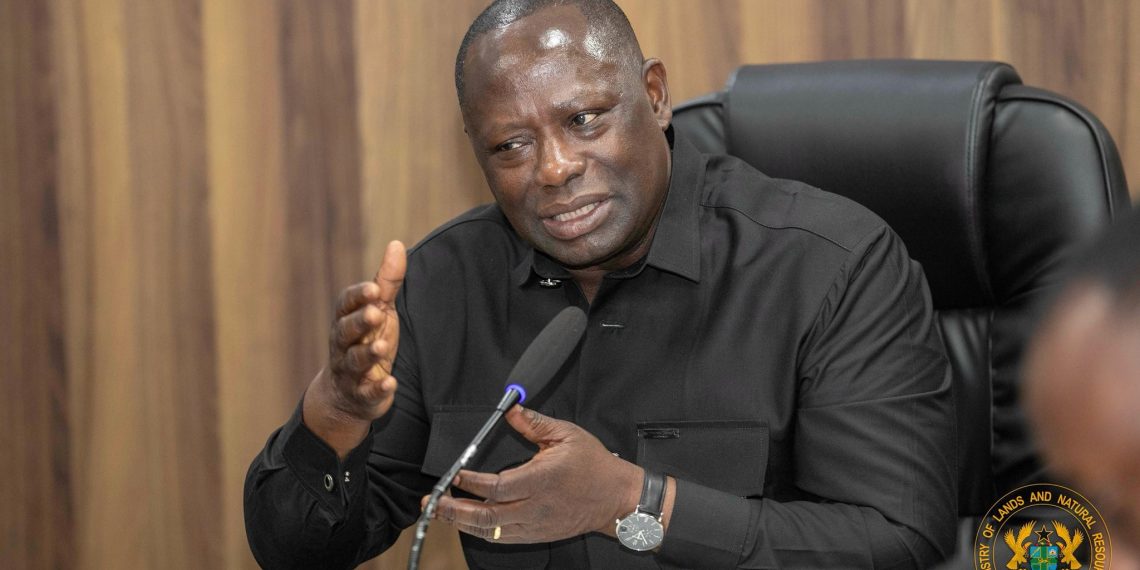
Speaking at a high-level Town Hall panel during the Africa Energy Forum, Mr Jinapor highlighted the government’s efforts to transform the energy sector into a key driver of industrialisation, regional trade and economic growth.
The forum brought together African energy ministers, policymakers and international financiers to discuss strategies for developing regional production hubs that can accelerate industrial development across the continent.
According to Mr Jinapor, Ghana’s energy sector reforms form part of a broader economic reset aimed at improving commercial security, strengthening power-sector liquidity and supporting domestic value addition.
“We are implementing reforms that have positioned Ghana as a competitive hub for industrial production and regional trade,” he said. “These reforms are already yielding results, including significant improvements in payments to utility service providers, helping to strengthen the financial sustainability of the sector and boost investor confidence.”
For years, Ghana’s energy sector has grappled with challenges such as mounting legacy debts, weak revenue collection, transmission bottlenecks, distribution losses and delayed payments to service providers. These difficulties have placed pressure on state-owned utilities and independent power producers while discouraging investment in critical energy infrastructure.
The Minister noted that recent interventions are beginning to address some of these long-standing problems. Improved revenue collection and more consistent payments to utility service providers have enhanced the sector’s financial stability and reduced operational risks.
Industry analysts believe stronger payment systems could make Ghana’s energy market more attractive to investors by lowering the risks associated with power projects and creating opportunities for long-term financing of generation, transmission and renewable energy infrastructure.
Mr Jinapor explained that the reforms align with the government’s broader industrialisation agenda under President John Dramani Mahama’s “Accra Reset Agenda,” which seeks to promote local processing, value addition and greater participation in regional and global supply chains.
Reliable and affordable electricity remains critical to achieving those goals, particularly in sectors such as manufacturing, agro-processing, mining and export-oriented production.
To support this vision, government is investing in expanding generation capacity, upgrading transmission infrastructure and developing renewable energy solutions to ensure stable power supply for industries across the country.
The Minister also pointed to Ghana’s ambition of becoming a major player in regional electricity trade through the West African Power Pool. He said investments in transmission networks and utility-scale renewable energy projects would help Ghana export excess power to neighbouring countries while generating additional revenue.
Regional power trade, he noted, could transform surplus generation capacity from a financial burden into an economic asset, improving efficiency across the power sector and strengthening Ghana’s role in the West African energy market.
Despite the progress, Mr Jinapor acknowledged that sustaining the gains will require continued commitment to reducing losses, improving collections, strengthening utility finances and maintaining transparency in sector operations.
He stressed that long-term investor confidence will depend on consistent performance, clear regulatory commitments and improved financial discipline across the energy value chain.
The Minister concluded that Ghana’s energy reforms are laying the foundation for industrial growth, regional trade and green investment, but success will ultimately depend on translating early gains into lasting institutional and structural improvements.
“As we continue this transformation, our focus remains on building a resilient energy sector that supports economic growth, creates jobs and positions Ghana as a leading energy and industrial hub in the region,” he said.