

The Electricity Company of Ghana’s (ECG) reported loss of more than GH¢7 million has renewed concerns about the financial challenges facing the country’s power sector, particularly the rising cost of electricity purchases, tariff pressures and the need for more efficient operations.
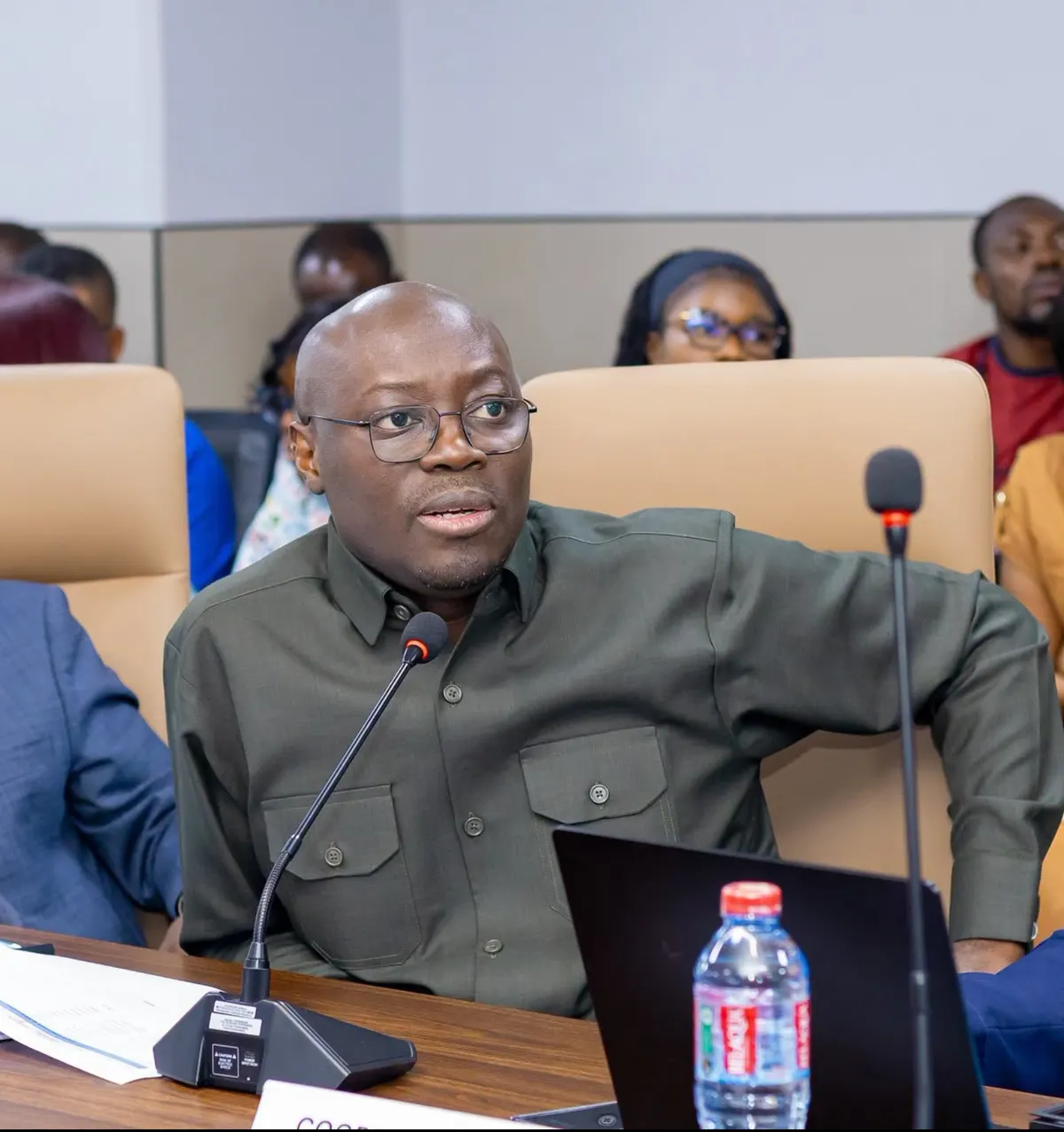
The issue came under scrutiny when ECG management appeared before Parliament’s Public Accounts Committee (PAC) during its examination of the Auditor-General’s Report for the year ending 2024.
ECG Managing Director Julius Kwame Kpekpena attributed a significant part of the company’s expenditure to the cost of purchasing electricity from independent power producers (IPPs). He said the government had been negotiating with power producers throughout 2025 and 2026 to secure discounts and reduce the financial burden on the distributor.
“Throughout 2025 and 2026, the government has been making efforts to reduce the cost of power purchases through negotiations with IPPs, and we have received significant discounts from the negotiations,” he told the committee.
Mr Kpekpena also pointed to competitive procurement for additional electricity generation as another measure intended to lower production costs.
“There’s also the law for competitive procurement of additional generation, meant to reduce the cost of production,” he said. “So there are a lot of measures the government is implementing to reduce the cost. The cost at which we buy the power is what is driving the cost.”
His explanation highlights a major challenge for ECG, which purchases electricity for distribution to consumers. The prices it pays power producers have a direct impact on its finances, making the cost of generation an important factor in determining whether the company can recover its expenses and operate sustainably.
Although negotiations with independent power producers could provide some relief, the long-term impact will depend on the scale of the discounts and whether they translate into lasting reductions in electricity purchase costs. Competitive procurement could also help secure better prices for future generation, although it may not immediately address obligations under existing power agreements.
The committee’s hearing also brought electricity tariffs into focus, with ECG indicating that adjustments might be necessary to help the company break even and improve its financial position.
However, the prospect of higher tariffs raises concerns for households and businesses already dealing with significant operating costs. For manufacturers and small businesses, electricity prices can influence production expenses, competitiveness and employment. Households, meanwhile, must balance electricity bills against other essential needs.
The challenge is to ensure that consumers are charged for the legitimate cost of providing electricity without being made to bear the burden of inefficiencies within the power sector.
Keeping tariffs artificially low while ECG continues to incur high costs could weaken the company’s ability to meet its obligations, maintain infrastructure and invest in service improvements. Such financial difficulties may eventually require government intervention, placing additional pressure on public finances.
At the same time, increasing tariffs without addressing inefficiencies could transfer the cost of poor financial and operational management to consumers.
Parliament’s scrutiny must therefore go beyond the reported loss and establish the specific factors that contributed to it, as well as the measures being taken to prevent a recurrence.
ECG management will need to demonstrate whether the discounts secured through negotiations are reducing its electricity purchase costs and improving its financial position. The benefits of competitive procurement must also be assessed against the prices paid under previous arrangements.
The company’s performance has implications beyond its own accounts. As the distributor responsible for collecting revenue from electricity consumers, ECG occupies a critical position in the power sector. Weak revenue collection or excessive operating costs can affect payments to suppliers, create financial pressure across the electricity value chain and increase the possibility of government support.
A sustainable solution will require coordinated action from ECG, the government and electricity producers. Power purchase agreements must deliver value for money, procurement processes must be transparent, and ECG must strengthen its financial and operational management.
Tariff adjustments, where necessary, should be supported by clear evidence that the costs being passed on to consumers are reasonable and that available opportunities to improve efficiency have been pursued.
The GH¢7 million loss may be relatively small compared with the wider financial challenges facing Ghana’s electricity sector, but it raises an important question about how the system is managed and financed.
Ultimately, ECG’s financial recovery will depend on reducing the cost of electricity purchases, improving revenue collection and ensuring that tariffs reflect efficient costs. Without progress on all three fronts, the burden of the power sector’s financial difficulties will continue to fall on consumers and the public purse.