
The Bank of Ghana (BoG) has tightened sanctions against customers who issue dud cheques, with repeat offenders facing a minimum three-year ban from issuing cheques and a one-year restriction on accessing new credit facilities.
Under the central bank’s revised 2026 financial-literacy notice, the consequences of issuing a cheque without sufficient funds go beyond the immediate failed transaction. Dud cheque offences will also be reported to Credit Reference Bureaus, potentially affecting a customer’s creditworthiness and future access to loans.
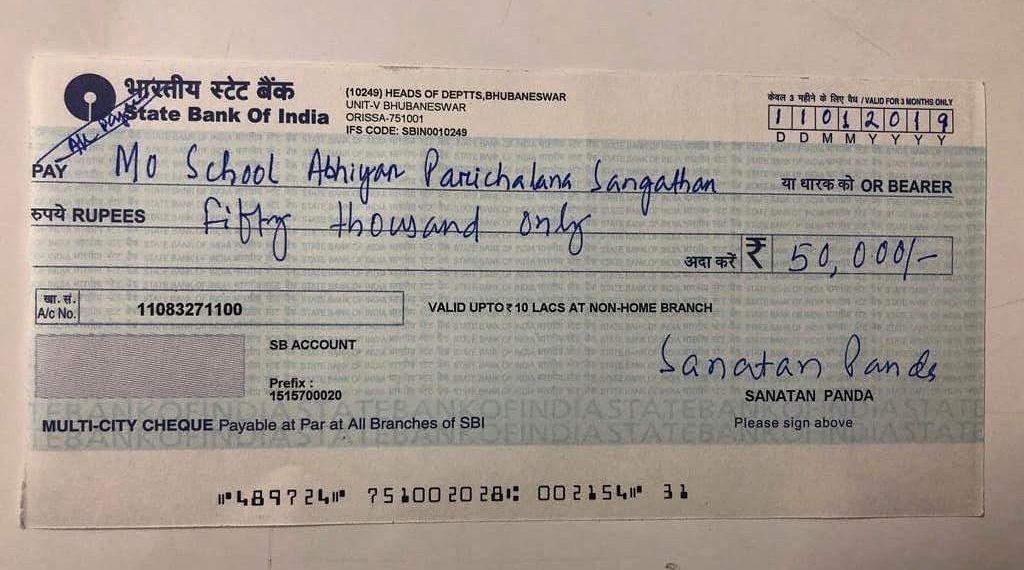
A dud cheque is a cheque issued from an account without enough funds to cover the amount stated on it. When presented, the bank will return the cheque unpaid and apply the required sanctions. The issuer may also face legal action.
For a first offence, the customer will be charged a penalty equivalent to 10% of the cheque’s face value. The bank is also required to issue a warning about the consequences of another offence and report the incident to the Credit Reference Bureaus and the Bank of Ghana.
The sanctions become more severe when the offence is repeated.
A second dud cheque within one year of the first offence attracts a 15% penalty of the cheque’s value, together with another warning and reports to the credit bureaus and the central bank.
A third offence within one year of the first attracts a 20% penalty of the cheque’s face value. At that stage, the customer will also be banned from issuing cheques for at least three years and prevented from obtaining new credit facilities from the banking system for one year.
The Bank of Ghana will notify banks and Specialised Deposit-Taking Institutions of the restriction, meaning the sanction will apply across the regulated financial sector rather than only at the institution where the cheque was issued.
The impact can also follow a customer into future borrowing decisions.
The central bank warns that negative information submitted to Credit Reference Bureaus could damage a customer’s creditworthiness, lower their credit score, increase the cost of borrowing and make it more difficult to access funds.
This means a bounced cheque is no longer simply a failed payment between an issuer and a recipient. Repeated offences can become part of a customer’s financial record and influence how lenders assess their ability to repay credit.
Banks also have specific responsibilities when a customer is banned from issuing cheques. Once notified, the bank must inform the customer within five working days, recall all unused cheque books and stop issuing new ones until the restriction is lifted.
Customers who fail to return unused cheque books within 10 working days could face further action. The matter must be reported to the Bank of Ghana, which may ban the customer from operating any current account and add their name to the Directory of High-Risk Cheque Issuers.
The central bank is therefore urging customers to take greater care before issuing cheques.
Customers are advised to regularly check their account balances, consider pending transactions and ensure sufficient funds are available before issuing a cheque. They are also cautioned against issuing cheques based on expected deposits unless they are certain the funds will be available before the cheque is presented.
The BoG further encourages customers to keep records of cheques they have issued and their expected presentation dates, and to contact their banks immediately if they realise they may not have enough funds to cover a payment.
The tougher sanctions are intended not only to punish repeat offenders but also to protect confidence in cheque payments and reduce the risks faced by businesses and individuals who accept them.
For customers, the message is clear: issuing a cheque without sufficient funds can have consequences far beyond the value of the cheque itself.
A first offence attracts a 10% penalty, while repeated offences can lead to a 20% penalty, a three-year cheque ban, restricted access to new credit and a damaged credit profile.