
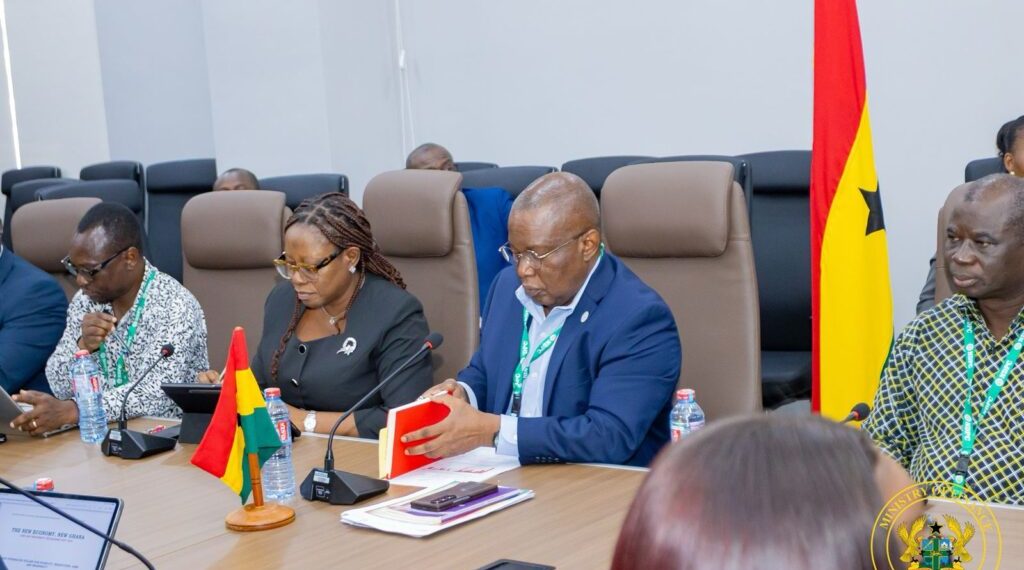
The government has tasked the National Development Planning Commission (NDPC) with monitoring and assessing the implementation of its proposed New Economy Programme, an ambitious initiative expected to attract about US$10 billion in investments across key sectors of the economy.
The full details of the programme are expected to be presented in the 2027 Budget, scheduled for November.
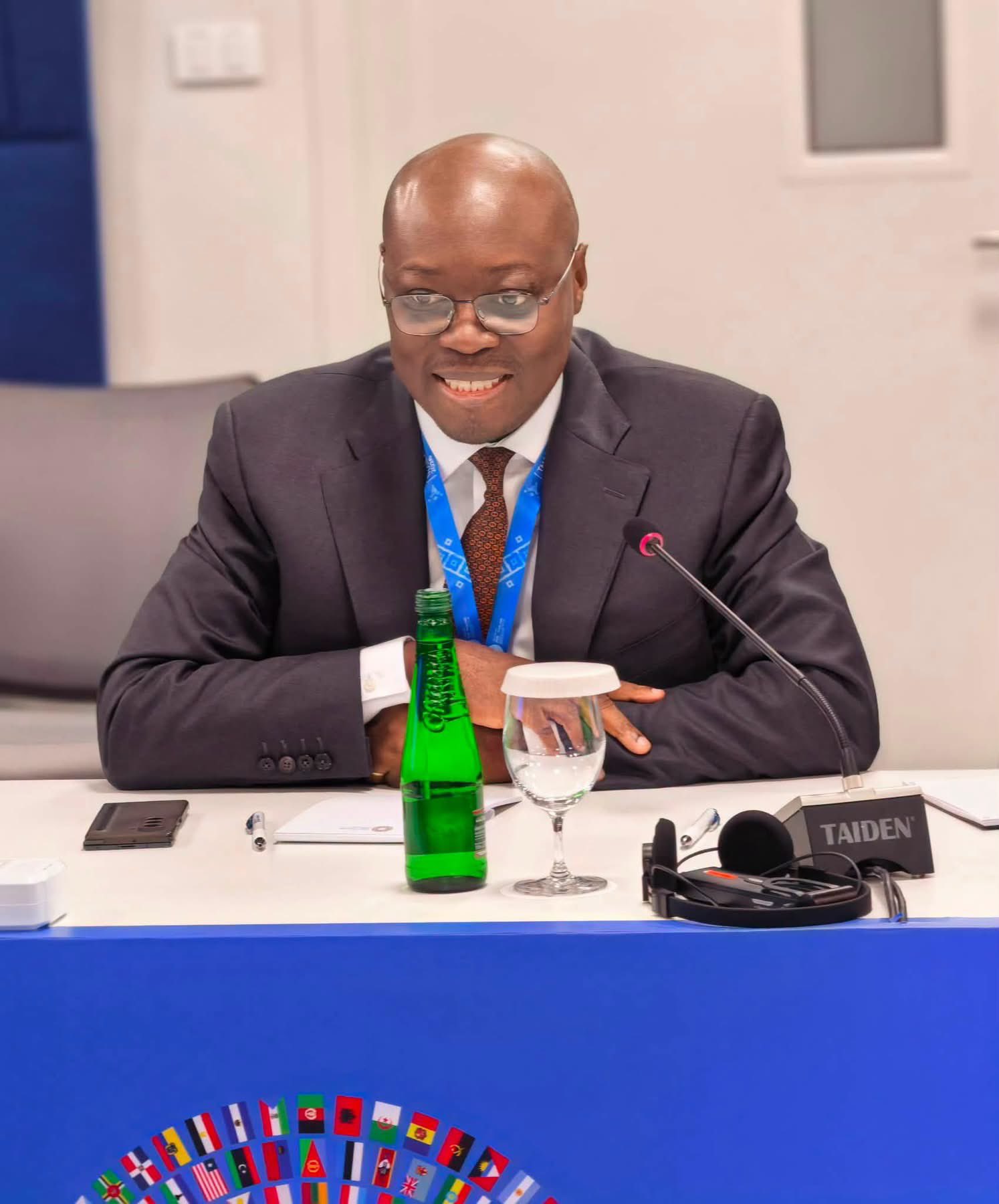
Finance Minister Dr Cassiel Ato Forson announced the NDPC’s role during an engagement with the Commission’s leadership on Monday, September 7, chaired by Dr Nii Moi Thompson.
Dr Forson said the NDPC would play a key role in ensuring that the programme moves beyond policy promises to actual implementation, with progress measured against clear targets and outcomes.
The move comes as government shifts its focus from stabilising the economy to driving production, creating sustainable jobs and improving incomes for Ghanaians.
The involvement of the NDPC is also expected to strengthen the link between national development plans and government budgets, ensuring that policy objectives are matched with funding and measurable results.
However, questions remain over how the proposed US$10 billion investment will be financed. Government will have to clarify how much will come from the national budget, private investors, development finance institutions, public-private partnerships and other sources.
It will also be important to establish whether the US$10 billion represents entirely new investments or includes projects and funding already committed by government.
The 2027 Budget will therefore be a major test of the New Economy Programme. Beyond announcing projects and sectors, government will need to provide clear timelines, financing arrangements, targets and performance indicators that will allow the NDPC to properly track delivery.
For Ghana, moving from economic stabilisation to transformation will require more than improved economic figures. It will require increased production, stronger businesses, higher exports, private-sector investment and the creation of sustainable jobs.
Ultimately, the success of the US$10 billion programme will not be measured by the size of the announcement, but by what it delivers for Ghana’s economy and its people.