

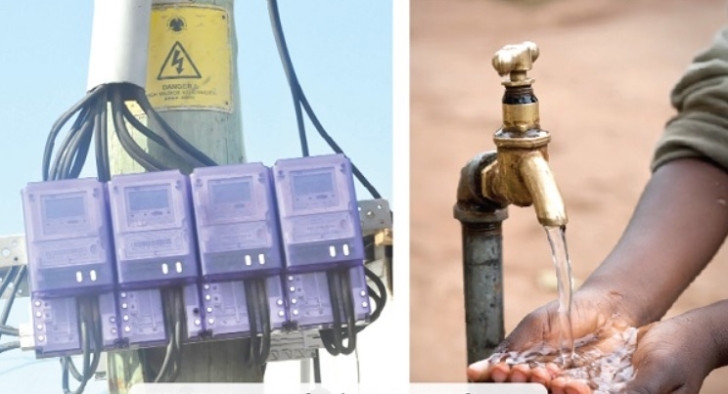
The Public Utilities Regulatory Commission (PURC) has kept electricity and water tariffs unchanged for the fourth quarter of 2026, citing lower natural gas costs and an improved electricity generation mix.
The zero per cent adjustment means households and businesses will continue paying the same electricity and water tariffs that applied in the third quarter, from October 1 to December 31, 2026.
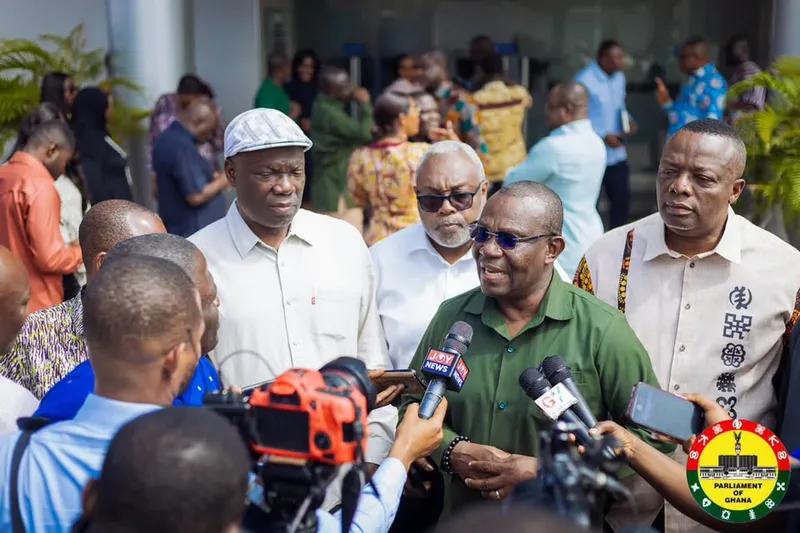
PURC’s Director of Research and Corporate Affairs, Eric Obutey, said consumers would continue to pay the same amounts they were paying in the previous quarter.
“The existing electricity and water tariffs of the third quarter have not changed, but remain the same in the fourth quarter,” the Commission said.
The decision comes despite some factors that would ordinarily have placed upward pressure on utility prices.
PURC used a weighted average exchange rate of GH¢11.5646 to the US dollar for the fourth-quarter tariff review, compared with GH¢11.2228 in the third quarter. This represents a 3.04 per cent depreciation in the exchange-rate variable.
The average annual inflation rate used in the calculation also increased from 3.43 per cent to 4.97 per cent.
However, the impact of these pressures was offset by a decline in the cost of natural gas and a higher projected contribution from hydroelectric power.
The weighted average cost of natural gas fell from US$7.9708 per million British thermal units (MMBtu) in the third quarter to US$7.8379 per MMBtu in the fourth quarter, representing a 1.67 per cent decline.
At the same time, hydroelectric generation is projected to account for 24.25 per cent of Ghana’s electricity mix in the fourth quarter, up from 20.90 per cent in the previous quarter.
Thermal generation, which accounted for 79.10 per cent of the mix in the third quarter, is expected to fall to 75.75 per cent.
According to PURC, the combined effect of the generation mix, the cedi-dollar exchange rate, inflation and natural gas prices resulted in the decision to maintain electricity tariffs at their existing levels.
The increased contribution from hydroelectric power is significant because it reduces the system’s reliance on thermal generation, which is more exposed to fuel and foreign-exchange costs.
The tariff freeze provides some relief for households and businesses, particularly at a time when higher transport costs and other operating expenses are putting pressure on budgets.
For businesses such as manufacturers, hotels, retailers and other commercial users, electricity costs are a major part of operating expenses. Keeping tariffs stable gives them greater certainty in planning for the final quarter of the year.
However, the freeze does not mean utility providers have escaped the financial challenges facing the sector.
PURC said some progress had been made in reducing system losses and improving revenue mobilisation.
According to Mr Obutey, Ghana Water Company’s non-revenue water has fallen from more than 50 per cent to about 46–47 per cent.
The Electricity Company of Ghana’s total losses have also declined from above 30 per cent to about 26–27 per cent. Its technical losses are estimated at 9.8 per cent, slightly below PURC’s 10 per cent benchmark.
ECG’s revenue collection has also increased from less than GH¢1 billion to between GH¢1.4 billion and GH¢1.5 billion. However, the figure remains below the estimated GH¢2 billion annual revenue requirement set by the regulator.
PURC’s latest decision therefore places continued pressure on utility companies to improve efficiency, reduce losses and strengthen revenue collection.
Illegal connections, non-payment and weaknesses in billing and collection continue to contribute to commercial losses in the sector, limiting the revenue available for maintenance and infrastructure investment.
The stability in tariffs could also be tested in future quarters.
Hydroelectric generation depends on water levels and weather conditions, meaning a decline in reservoir inflows could increase reliance on thermal plants. A rise in natural gas prices or further depreciation of the cedi could also put renewed pressure on utility tariffs.
The current freeze is therefore a reflection of the conditions used in the fourth-quarter review rather than a permanent change in Ghana’s utility pricing.
PURC has already adjusted tariffs several times in 2026. Electricity tariffs were initially increased by 9.86 per cent under the 2026–2030 Multi-Year Tariff Order before being reduced by 4.81 per cent in April as economic and generation conditions improved.
In July, electricity tariffs were increased by 3.49 per cent, while water tariffs went up by 0.85 per cent.
The latest decision means consumers will have three months without another regulated tariff increase, while PURC continues to monitor the financial and operational performance of the utility providers.
For now, lower gas costs, increased hydro generation and improvements in revenue collection have provided enough room for the Commission to hold tariffs steady despite a weaker cedi and higher inflation.