

Ghana’s electricity sector is coming under renewed pressure as power demand continues to rise while generation remains heavily dependent on thermal plants and reliable fuel supplies.
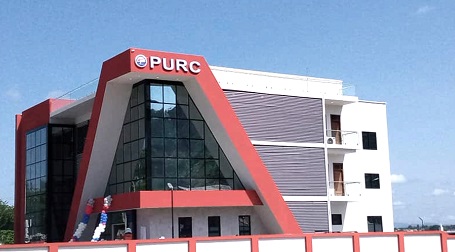
Data from the Public Utilities Regulatory Commission (PURC) show that electricity generation fell by 3.99% month-on-month in July 2026, although output was still 6.20% higher than the same period in 2025.
At the same time, system peak demand reached 3,968 megawatts (MW), representing a 6.61% increase over July 2025.
PURC said the monthly decline in generation does not, on its own, indicate an immediate power crisis, noting that seasonal factors and improved weather conditions helped moderate demand during the period.
However, the regulator has cautioned that the trend requires close monitoring, particularly because Ghana’s electricity needs are increasing while the power system remains largely dependent on thermal generation.
“The intermittent decline in generation highlights the need to closely monitor generation availability and fuel supply to ensure a reliable electricity supply,” PURC said.
Thermal plants accounted for 74.33% of electricity generated in July, while hydro and solar contributed the remaining 25.67%. This heavy reliance on thermal power means disruptions in natural gas or liquid-fuel supplies could quickly affect electricity availability.
The Energy Commission’s 2026 outlook similarly projects that thermal plants will provide about 73% of Ghana’s electricity this year, compared with 25.8% from hydro and only 1.2% from non-hydro renewable sources.
Demand is expected to continue rising. The Energy Commission forecasts that peak electricity demand could reach 4,581MW in December 2026, about 7% higher than the 2025 peak.
Although dependable installed capacity is estimated at around 5,455MW, planned maintenance and unexpected outages could significantly reduce the available reserve margin. The Commission has warned that such outages could push the reserve below the recommended 18% planning threshold.
Fuel availability is another concern. The Energy Commission estimates that power generation will require 185.93 trillion British thermal units of natural gas in 2026, with the electricity sector accounting for more than 85% of Ghana’s total gas consumption.
Average gas demand from the power sector is projected at about 460 million standard cubic feet per day, rising to approximately 479MMscfd by December.
The Commission expects the gas supply situation to remain tight, with scheduled maintenance and increased demand potentially creating more significant shortages in the fourth quarter. October has been identified as a particularly vulnerable period.
Any shortfall in gas supplies could force thermal plants to switch to more expensive liquid fuels, increasing the cost of electricity generation and potentially creating additional pressure on tariffs or government finances.
The challenge, therefore, goes beyond having enough power plants. Ghana must also ensure that generation companies have access to fuel, plants are properly maintained and power-sector institutions have the financial capacity to operate sustainably.
PURC’s latest tariff adjustment reflects some of these pressures. Electricity tariffs were increased by 3.49% from July 2026, with the regulator citing changes in the exchange rate, inflation, the generation mix and fuel costs.
PURC said the quarterly tariff review is intended to maintain the real value of tariffs and ensure that utility providers remain financially viable while delivering reliable services.
But higher tariffs also create difficulties for households and businesses, particularly manufacturers, mining companies and other energy-intensive industries that depend heavily on stable and affordable electricity.
Ghana’s limited renewable generation further reduces the options available to cushion the system against fuel or hydrological challenges. With non-hydro renewables expected to account for just 1.2% of generation in 2026, solar, battery storage and demand-management measures remain relatively small components of the national power mix.
For policymakers, the growing pressure on the electricity system comes at a critical time as Ghana seeks to expand manufacturing, mining and other energy-intensive economic activities.
The July figures therefore serve as a warning rather than proof of an immediate electricity shortage. Generation remains above last year’s level, but rising demand, heavy dependence on thermal power, tight gas supplies and potential outages could narrow the country’s electricity cushion.
The key issue for Ghana is no longer simply whether enough generating plants have been installed, but whether the country can secure the fuel, financing, maintenance and transmission capacity needed to keep those plants reliably operating as demand approaches the projected 4,581MW peak in December.