
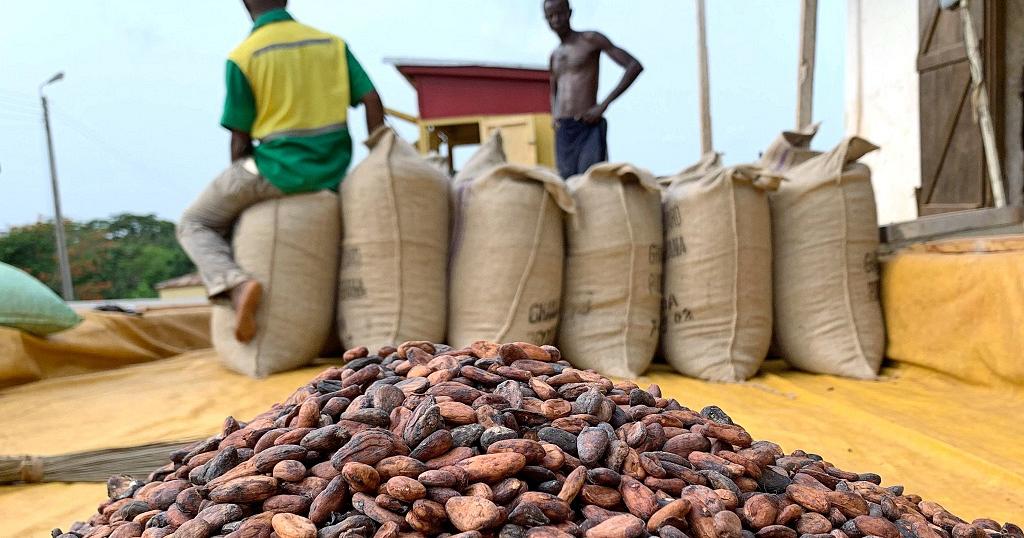
The Ghana Cocoa Board (COCOBOD) is considering increasing the producer price of cocoa to GH¢2,737 per 64-kilogram bag for the 2026/27 season, representing a 6 per cent increase from the current GH¢2,587.
The proposed price, reported by Bloomberg, is yet to receive formal approval from the Finance Minister and has not been officially announced by COCOBOD.
If approved, the new price would put Ghanaian cocoa farmers above their counterparts in neighbouring Côte d’Ivoire and could potentially reverse the direction of cocoa smuggling across the two countries.
The proposed adjustment is in line with Ghana’s policy of ensuring that cocoa farmers receive at least 70 per cent of the free-on-board export value of cocoa.
The move comes after a difficult 2025/26 season in which fluctuations in global cocoa prices, exchange rates and producer prices placed significant financial pressure on COCOBOD.
Côte d’Ivoire had earlier raised its cocoa producer price by 20 per cent in October 2025, creating concerns that Ghanaian farmers and traders could move cocoa across the border to take advantage of better prices.
Ghana subsequently increased its producer price to GH¢58,000 per tonne in an effort to restore competitiveness and reduce the incentive for cocoa to be smuggled out of the country.
The situation could now shift again if Ghana approves the proposed GH¢2,737 per bag. Bloomberg reports that the proposed price would be about 75 per cent higher than the current producer price in Côte d’Ivoire.
Such a wide price difference could encourage cocoa from Côte d’Ivoire and other neighbouring countries to move illegally into Ghana, particularly if traders consider the potential gains greater than the risks and costs involved.
Smuggling has long complicated cocoa production figures in both countries. Ghana had targeted cocoa production of 650,000 tonnes for the 2025/26 season but eventually purchased more than 750,000 tonnes, with some of the additional beans believed to have come from neighbouring countries.
Meanwhile, global cocoa prices have strengthened in recent months. Bloomberg-linked market reports indicate that cocoa futures have risen by about 50 per cent since the end of May, amid concerns over weaker West African supplies, disease and changing weather conditions.
The outlook for Côte d’Ivoire, the world’s largest cocoa producer, has also raised concerns. Estimates cited by Bloomberg suggest the country’s output could fall by about 20 per cent to 1.75 million tonnes in the 2026/27 season. Ghana’s production is also projected to decline by about 13 per cent to around 650,000 tonnes.
However, Ghana’s recent experience has highlighted the financial risks of setting producer prices too far above international market conditions.
The International Monetary Fund (IMF) said COCOBOD faced severe liquidity challenges during the 2025/26 season after global cocoa prices declined sharply while Ghana’s domestic producer price remained high.
The mismatch affected buyer demand for contracted cocoa, contributed to unsold stocks and placed significant pressure on COCOBOD’s cash flow.
The government subsequently approved a package that included GH¢3.62 billion to clear farmer arrears, the restructuring of about GH¢3.70 billion in COCOBOD legacy debt and the transfer of GH¢4.35 billion in cocoa-road liabilities to the central government.
Authorities have also committed to reforms, including an automatic cocoa pricing formula, domestic cocoa bonds, increased local processing and the removal of some quasi-fiscal activities from COCOBOD.
The proposed increase for the 2026/27 season will therefore have to balance farmer welfare with the financial sustainability of the cocoa sector.
While a higher producer price could improve farmer incomes and make cocoa farming more attractive, setting the price too high could once again create a gap between the cost of buying cocoa locally and the revenue generated from exports.
COCOBOD is also expected to raise GH¢16.30 billion through cocoa-bill sales to finance cocoa purchases during the new season. A special-purpose vehicle has also been established, with its securities expected to be listed on the Ghana Stock Exchange.
The new cocoa season is expected to begin around September 17, with authorities working to secure the financing needed to purchase beans from farmers.
The proposed price also comes at a time when Ghana and Côte d’Ivoire are seeking closer coordination of their cocoa pricing policies. In June, the two countries agreed to align farmgate prices in dollar terms and harmonise their crop calendars from the 2026/27 season, partly to reduce price differences that have historically fuelled smuggling.
If Ghana approves a significantly higher price, that agreement could face a fresh test.
For Ghana, the bigger question is whether the new producer price can improve farmer incomes, discourage smuggling and remain financially sustainable for COCOBOD.
The proposed GH¢2,737 price could provide farmers with some relief, but the experience of the past season shows that cocoa pricing must ultimately be supported by actual export earnings and the broader economics of the sector.