
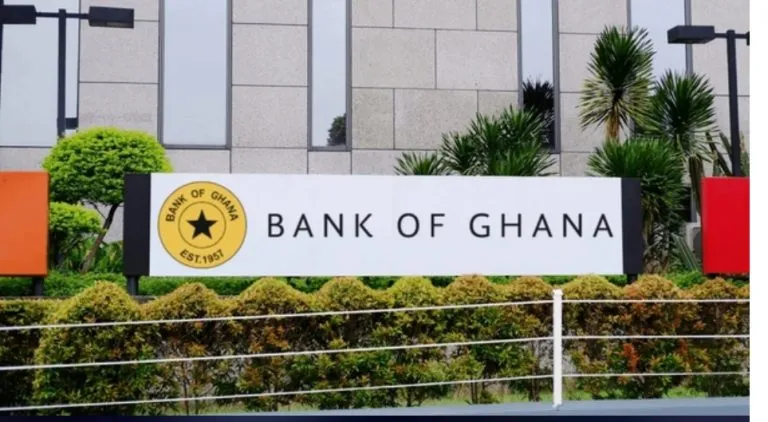
The Bank of Ghana has raised GH¢12.89 billion through the sale of 14-day central bank bills as it continues efforts to manage liquidity in the financial system.
The securities were sold under Tender 878 on September 7, 2026, with a weighted average interest rate of 10.50%.
According to the Bank of Ghana, bids for the bills were submitted at discount rates ranging from 10.40% to 10.46%. The weighted average discount rate settled at 10.46%, while the weighted average interest rate was 10.50%.
The total value of securities sold amounted to GH¢12,889.43 million.
The latest auction forms part of the central bank’s short-term liquidity management operations. Unlike Treasury bills, which are primarily issued by government to finance its spending and borrowing needs, Bank of Ghana bills are monetary policy instruments used to absorb excess liquidity from the financial system.
Under the arrangement, banks and other eligible investors place funds in the short-term securities, temporarily reducing the amount of liquidity available in the banking system. The funds are returned when the bills mature after 14 days, together with the applicable return.
The GH¢12.89 billion raised should therefore not be regarded as new government borrowing or an addition to the government’s financing needs. Rather, it reflects an operation by the Bank of Ghana to influence short-term liquidity conditions.
The 10.50% interest rate also means the central bank will incur a cost for absorbing the liquidity, particularly if similar operations are conducted repeatedly and the securities are rolled over.
The size of the latest auction highlights the Bank of Ghana’s continued use of short-term instruments to manage liquidity while seeking to keep financial conditions in line with its monetary policy objectives.
The 14-day maturity also gives the central bank flexibility to adjust its operations as liquidity conditions change, allowing funds to return to the market relatively quickly when the securities mature.
For investors, the auction provides access to a short-term instrument with a clearly defined return, while for the Bank of Ghana, the key challenge will be balancing effective liquidity management with the cost of repeatedly sterilising excess funds.
The latest GH¢12.89 billion sale therefore offers a snapshot of the central bank’s ongoing efforts to keep liquidity conditions under control as it manages monetary conditions in the economy.