

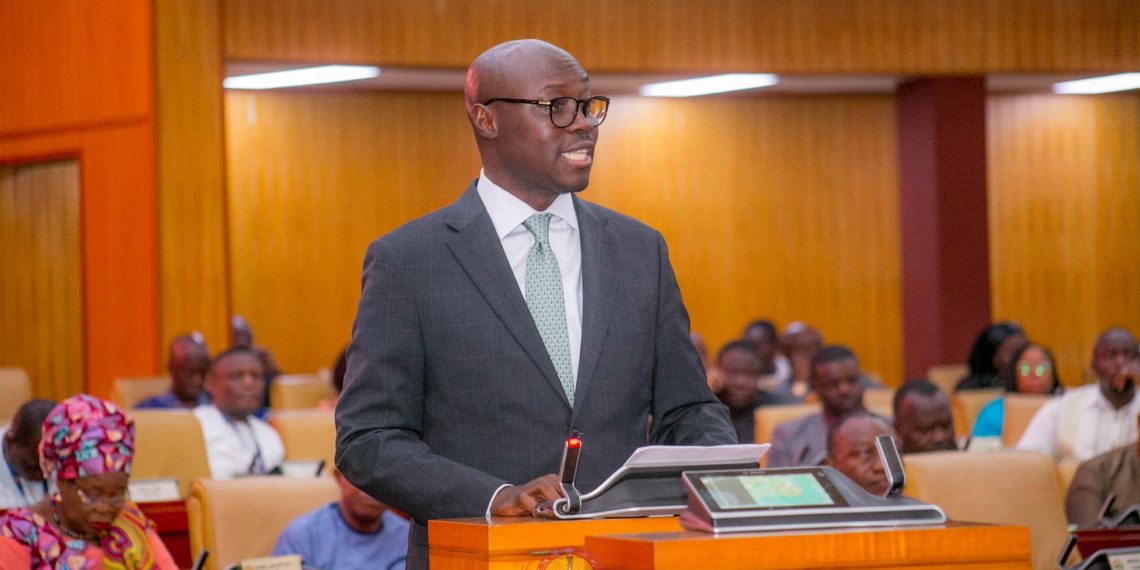
Finance Minister Dr. Cassiel Ato Forson is expected to present the 2026 Mid-Year Budget Review to Parliament this week, outlining the Mahama administration’s next phase of economic management as Ghana shifts from fiscal stabilisation to a stronger focus on growth, job creation and long-term economic transformation.
The presentation, which is subject to Parliament’s approval and sitting schedule, is expected to follow Cabinet briefings on the proposed policy measures before the Finance Minister updates President John Dramani Mahama ahead of the official presentation.
The review comes at a crucial time for Ghana’s economy. After about 18 months of implementing strict fiscal measures aimed at restoring macroeconomic stability and rebuilding investor confidence following the debt crisis, government is now expected to outline how it intends to maintain fiscal discipline while pursuing economic expansion.
According to government, the new economic framework will prioritise sustainable job creation, higher productivity, economic resilience and inclusive growth, building on the gains made during the stabilisation programme.
Speaking earlier this month, Dr. Forson indicated that government was preparing to transition into what he described as a “new economy” driven by jobs and growth.
“We are left with six months, and I’m sure after the six months we’ll have to change the course and move from shock therapy to what I call the new economy where growth and jobs would drive the new order,” he said.
Despite the optimism, government faces the challenge of assuring investors and development partners that the shift towards growth will not lead to excessive borrowing or a return to fiscal indiscipline. Dr. Forson has repeatedly cautioned against unsustainable debt, stressing that borrowing to finance short-term spending could create long-term economic challenges.
The Mid-Year Budget Review is also expected to provide an update on Ghana’s recently concluded IMF Extended Credit Facility programme, progress on external debt restructuring and the country’s planned transition to a new Policy Coordination Instrument.
On the fiscal front, the Finance Minister is expected to present revenue and expenditure performance for the first half of 2026 while outlining any adjustments to the national budget to reflect current economic conditions.
Petroleum revenue is expected to feature prominently in the review. In June, Dr. Forson disclosed that government had revised its 2026 petroleum revenue projection from US$985 million to US$1.5 billion, citing higher global crude oil prices driven by developments in the Middle East.
He also projected that Ghana’s economy could grow by more than 6% this year, exceeding the 4.8% growth target announced in the 2026 Budget, largely supported by improved performance in the oil and gas sector.
The improved outlook is expected to raise public expectations for greater investment in infrastructure, job creation programmes and measures to ease the economic burden on households.
Meanwhile, Parliament is preparing for an extensive debate on the review. Majority Leader Mahama Ayariga has announced that lawmakers will debate the statement over three days, including a special sitting on Saturday, July 25, before leadership concludes discussions on Monday, July 27.
The Mid-Year Budget Review is a statutory requirement under the Public Financial Management Act, 2016 (Act 921), which mandates the Finance Minister to update Parliament on the implementation of the national budget and the fiscal outlook for the remainder of the year.
While government has indicated that its broader “New Economy” agenda will be fully unveiled in the 2027 Budget, the upcoming review is expected to provide the first detailed roadmap for Ghana’s transition from economic stabilisation to sustainable growth.
Analysts say the success of the review will depend on whether the proposed policies are supported by credible financing plans, realistic implementation timelines and continued fiscal discipline. They note that businesses will be looking for measures to improve power reliability, access to credit and the overall cost of doing business, while households will expect the country’s improving economic outlook to translate into more jobs, higher incomes and a lower cost of living.