Ghana is preparing for a major expansion of its petroleum industry, with plans to begin drilling in the Voltaian Basin before the end of 2026 while the Sentuo Oil Refinery moves ahead with an ambitious expansion that will increase its processing capacity to 100,000 barrels of crude oil per day.
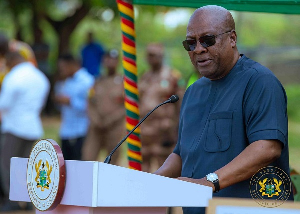
President John Dramani Mahama announced the developments during the sod-cutting ceremony for Phase Two of the Sentuo Oil Refinery Project in Tema, describing the initiatives as key pillars of Ghana’s long-term energy strategy.
According to the President, GNPC’s exploration subsidiary, Explorco, is expected to drill its first exploration well in the Voltaian Basin by the fourth quarter of 2026. The move represents Ghana’s strongest attempt yet to determine whether commercially viable oil and gas reserves exist within the vast onshore basin.
For years, the Voltaian Basin has been viewed as a potential new frontier for petroleum exploration. However, despite numerous studies and growing interest from policymakers and industry experts, the basin has yet to produce commercial quantities of oil or gas.
The planned drilling campaign is expected to provide crucial geological information and help establish whether the area can support future commercial production.
A successful discovery could significantly reshape Ghana’s energy landscape by reducing the country’s dependence on offshore oil fields, attracting fresh investment and creating new economic opportunities across northern Ghana.
Preparations for the exploration programme are already underway. Explorco has intensified consultations with traditional authorities, local communities and regulatory institutions, including engagements with the Yaa Naa and other stakeholders, to build support for the project and address concerns ahead of drilling activities.
Unlike offshore operations, onshore exploration takes place close to communities, farms and water resources. This makes issues such as environmental protection, compensation, community relations and local participation especially important.
While the search for new oil resources continues, Ghana is also moving to strengthen its refining capacity.
President Mahama revealed that the second phase of the Sentuo Oil Refinery project will increase the refinery’s processing capacity from 40,000 barrels per day to 100,000 barrels per day.
The expansion is expected to improve Ghana’s ability to process crude oil locally, reduce dependence on imported petroleum products and strengthen the country’s position as a fuel supply hub for West Africa.
The President said the refinery expansion, together with the eventual full operationalisation of the Tema Oil Refinery (TOR), could enable Ghana to meet domestic fuel demand while producing surplus refined products for export across the sub-region.
The development comes at a time when Ghana continues to import a substantial portion of its refined petroleum products despite being an oil-producing nation. Increased local refining could help retain more value within the economy, create jobs, support industrial growth and reduce pressure on foreign exchange reserves.
Earlier this month, Sentuo Refinery was expected to receive approximately one million barrels of Jubilee crude for local processing, a move many industry observers viewed as part of government’s broader strategy to encourage domestic refining.
Speaking at the ceremony, Sentuo Oil Refinery Executive Chairman Ningquan Xu described the expansion project as a significant milestone for Ghana’s industrial development.
“The Phase II expansion represents a turning point for Ghana’s industrial future,” he said.
The combination of new exploration efforts and expanded refining capacity highlights Ghana’s broader ambition to build a more integrated petroleum sector.
On one hand, Explorco’s drilling programme seeks to discover new oil and gas resources that could support future production. On the other, Sentuo’s expansion is aimed at ensuring that more crude oil is processed within Ghana rather than exported and re-imported as refined fuel.
Energy analysts say both projects could strengthen Ghana’s energy security and reduce some of the risks associated with global supply disruptions. However, the ultimate benefits will depend on successful exploration outcomes, efficient refinery operations and strong regulatory oversight.
For now, government is presenting the two initiatives as complementary parts of a coordinated strategy to increase production, expand local processing and create greater value from Ghana’s petroleum resources.