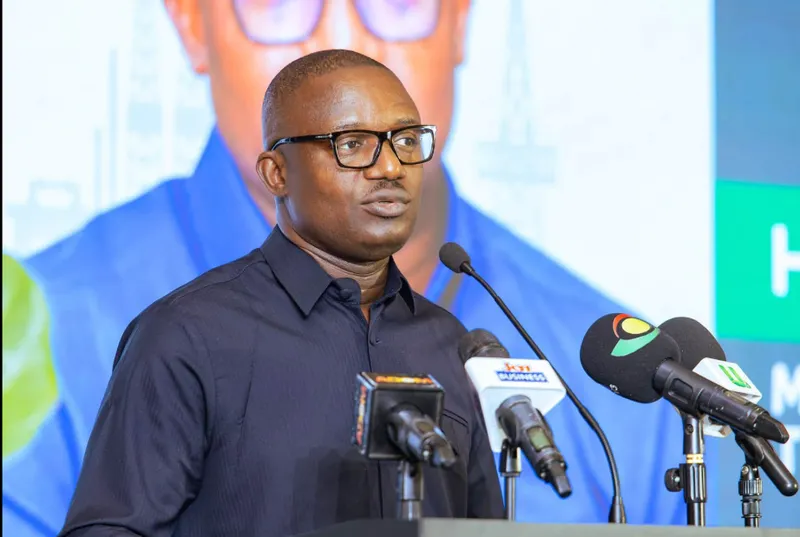



Ghana’s Minister for Trade, Agribusiness and Industry, Elizabeth Ofosu-Adjare, has raised concerns over the growing impact of non-tariff barriers on trade within West Africa, warning that hidden restrictions are increasing the cost of cross-border business by as much as 15 to 20 percent.
Speaking at the 5th Joint Meeting of ECOWAS Ministers of Trade and Industry in Accra, the Minister described non-tariff barriers as one of the biggest challenges facing regional integration efforts.
According to her, while tariffs are transparent and predictable, non-tariff barriers often emerge in the form of border delays, administrative bottlenecks, unofficial charges, duplicative inspections, inconsistent regulations and excessive documentation requirements.
“These barriers are the most stubborn obstacle to regional trade,” she noted, stressing that their impact extends far beyond traders and transporters.
The Minister explained that the additional costs created by these barriers are passed through supply chains, increasing operational expenses for businesses and ultimately driving up prices for consumers across the region.
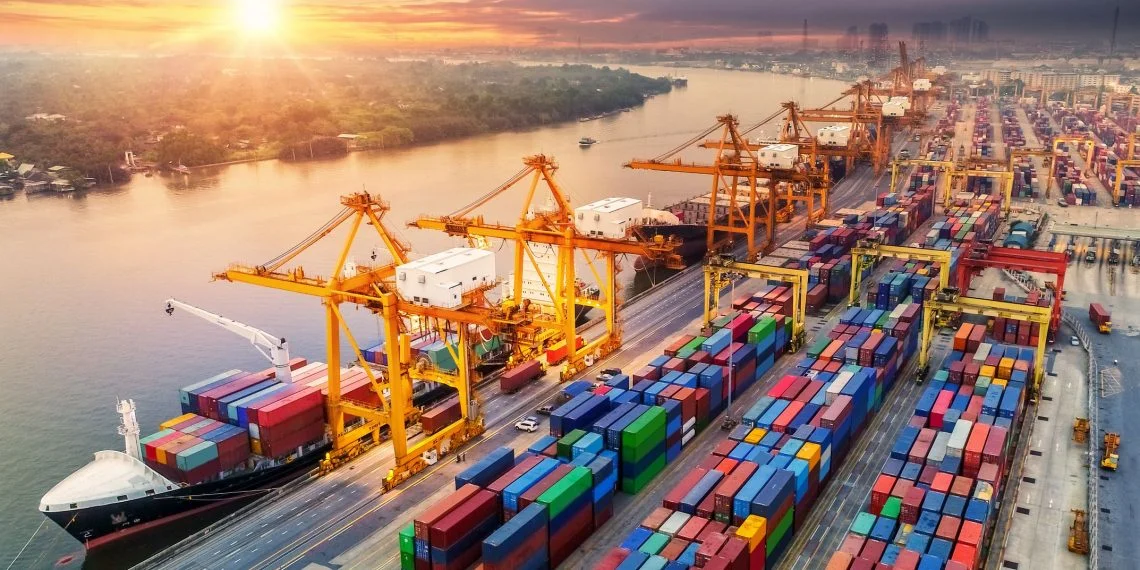
For many companies operating within West Africa, the challenge is not merely the official cost of transporting goods but the uncertainty and inefficiencies encountered at border posts and transit corridors. These delays can disrupt supply chains, increase working capital requirements and reduce the competitiveness of businesses seeking to expand into neighbouring markets.
Her remarks come at a time when ECOWAS member states are seeking to deepen regional trade under both the ECOWAS Trade Liberalisation Scheme and the African Continental Free Trade Area (AfCFTA).
Regional integration is intended to make it easier for businesses to move goods and services across borders, access larger markets and benefit from economies of scale. However, persistent trade bottlenecks continue to limit those opportunities.
Industry players say every unnecessary delay, inspection or unofficial payment increases the final cost of products moving across the region. As a result, goods that should remain competitively priced often become more expensive before reaching consumers in countries such as Burkina Faso, Côte d’Ivoire, Togo and Nigeria.
Trade ministers gathered in Accra are expected to discuss measures aimed at eliminating these barriers, improving trade facilitation and accelerating industrialisation across West Africa.
Analysts argue that removing non-tariff barriers is essential for unlocking the full potential of the region’s market, which offers significant opportunities in agriculture, manufacturing, logistics, food processing and services.
They warn that when businesses face unpredictable trading conditions, many either increase prices, scale back operations or avoid certain markets altogether. This weakens investor confidence and slows the development of regional value chains.
For Ghana, addressing these challenges is particularly important as the country seeks to strengthen its position as a regional hub for manufacturing, logistics and AfCFTA-related trade activities.
Reducing hidden trade costs would improve market access for Ghanaian exporters, strengthen the competitiveness of locally produced goods and support the growth of small and medium-sized enterprises, which are often the hardest hit by border delays and unofficial charges.
Elizabeth Ofosu-Adjare stressed that regional trade agreements must deliver practical results on the ground rather than remain commitments on paper.
She called for stronger coordination among customs authorities, greater harmonisation of standards, increased use of digital documentation systems, transparent border procedures and tougher action against unofficial payments.
She also urged member states to treat trade facilitation as a key development priority if the region is to fully benefit from its integration agenda.
With non-tariff barriers continuing to add significant costs to trade, the Minister warned that West Africa risks undermining its own competitiveness and slowing progress towards a more integrated regional economy.
Her message to ECOWAS was clear: making trade faster, cheaper and more predictable will be critical to transforming the region’s economic potential into tangible growth and prosperity.