
Ghana’s cedi has emerged as one of the worst-performing currencies in sub-Saharan Africa in recent months, despite improving inflation figures, tighter fiscal management and signs that the country’s broader economic recovery is beginning to stabilise.
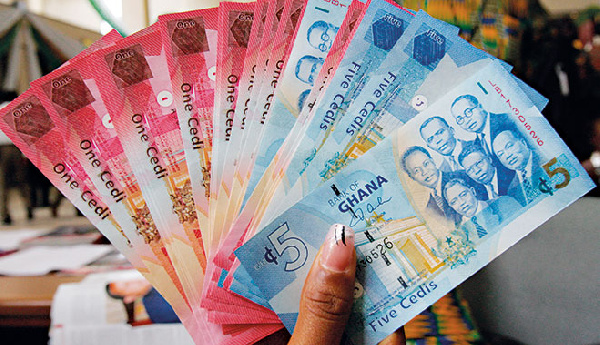
According to market analysis published by Reuters using data from the London Stock Exchange Group, the cedi has lost more than 10 per cent of its value against the US dollar since the start of 2026, placing it among the weakest-performing currencies in West Africa and across the continent.
By the close of trading last week, the local currency had weakened further to around GH¢11.61 to the dollar, continuing a steady downward trend that traders largely blame on sustained corporate demand for foreign exchange.
Analysts say strong demand for dollars from importers, energy firms and businesses making offshore payments continues to put pressure on the foreign exchange market. Many companies are reportedly buying dollars at rates above official market quotations to meet import obligations and settle foreign liabilities.
The cedi’s decline comes at a delicate period for Ghana’s economy. Inflation has dropped sharply from the highs recorded during the economic crisis, while fiscal consolidation under Ghana’s International Monetary Fund-supported recovery programme has improved investor confidence following the country’s debt restructuring process.
However, the latest currency pressures suggest that Ghana’s macroeconomic recovery remains fragile, particularly because the country still struggles to generate enough foreign exchange to match demand.
Economists argue that although recent economic indicators point to stabilisation, the structural imbalance in Ghana’s foreign exchange market remains unresolved. Demand for dollars continues to exceed supply, especially in import-dependent sectors of the economy.
The depreciation has also revived concerns over imported inflation. Key sectors such as fuel, pharmaceuticals, machinery, industrial inputs and food imports remain highly sensitive to exchange rate movements. A weaker cedi could therefore increase transport fares, production costs and retail prices in the months ahead.
This situation could complicate the Bank of Ghana’s monetary policy direction. Although the central bank has started easing policy following the decline in inflation, continued currency weakness may force policymakers to proceed more cautiously if exchange rate pressures begin feeding into inflation expectations again.
Market observers say short-term central bank interventions alone may not be enough to stabilise the currency sustainably. They believe long-term stability will depend on deeper structural reforms, including boosting exports, attracting stronger foreign direct investment, increasing reserve buffers, improving local production and reducing reliance on imports.
The cedi’s performance this year has placed it ahead of several struggling African currencies in terms of losses recorded against the US dollar, with only a few currencies, including the Libyan dinar, posting steeper declines.
For businesses, the biggest concern remains uncertainty. Currency depreciation makes pricing, planning and inventory management more difficult, particularly for firms that rely heavily on imports or hold foreign-currency debts.
Although Ghana has made progress in restoring macroeconomic stability, the cedi’s continued decline highlights how vulnerable the recovery remains as long as demand for dollars continues to outpace the country’s ability to generate foreign exchange earnings.