

Ghana’s state-owned cocoa buyer, Producer Buying Company (PBC), is battling a severe financial crisis that has left thousands of cocoa farmers unpaid and exposed the company to possible asset seizure by banks.
The company, once one of the most dominant players in Ghana’s cocoa purchasing system, is reportedly drowning in debts estimated at GH¢673 million, according to Reuters. The situation has become so critical that PBC is currently unable to buy cocoa from farmers despite its long-standing role as the buyer of last resort in Ghana’s cocoa sector.
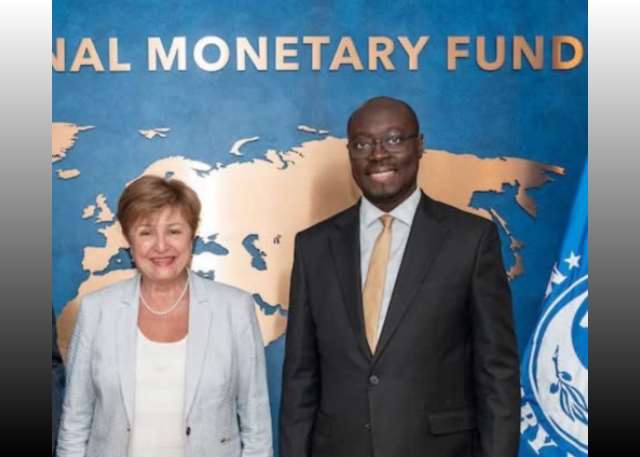
The crisis comes just months after government officials pledged to revive the struggling company. In February, Finance Minister Dr Cassiel Ato Forson described plans to restore PBC as a key part of efforts to support cocoa farmers and strengthen the sector.
However, recent developments suggest the company’s financial troubles have deepened instead.
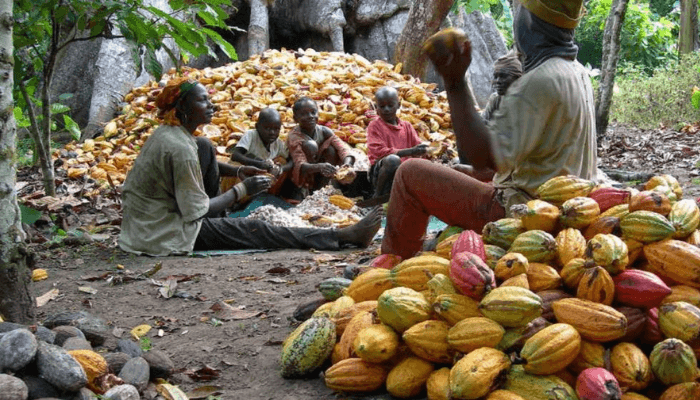
Reuters reported that PBC currently owes cocoa farmers GH¢24 million for more than 9,000 bags of cocoa already delivered. The company is also said to lack the liquidity needed to continue purchasing cocoa from growers across the country.
The pressure on the company intensified after a consortium of Ghanaian banks secured a court order in March allowing them to sell off PBC’s assets over unpaid debts amounting to GH¢257 million. Two of the banks involved are state-owned institutions that report directly to the Ministry of Finance.
The crisis highlights growing concerns about the financial stability of Ghana’s cocoa industry, which has recently faced lower global cocoa prices, increased global production and weakening demand from chocolate manufacturers.
PBC’s difficulties also reveal the widening gap between policy promises and realities on the ground within Ghana’s cocoa financing system.
Once responsible for nearly 30% of cocoa purchases in Ghana, PBC now reportedly handles less than 5% of the country’s cocoa output. The sharp decline has weakened the company’s revenue base and reduced its ability to support farmers, especially in remote cocoa-growing communities where private buyers may be less active.
Under Ghana’s cocoa marketing structure, licensed buying companies purchase cocoa from farmers before selling it to COCOBOD, which then exports the beans to international markets.
A source familiar with the matter told Reuters that COCOBOD has not yet reimbursed PBC for about 800 metric tonnes of cocoa delivered more than two months ago. The same source claimed appeals for financial support to both the Finance Ministry and COCOBOD have so far gone unanswered.
Beyond unpaid farmers, PBC is reportedly burdened with more than two years of unpaid staff salaries, outstanding vendor payments and unpaid statutory obligations.
For many cocoa farmers, the impact is immediate and painful. Farmers who have already delivered cocoa but remain unpaid are struggling to cover household expenses, school fees and farm maintenance costs.
The situation also threatens confidence in Ghana’s formal cocoa marketing system at a time when the country is attempting to rebuild trust in state institutions and improve cocoa production.
Questions are also emerging over the role of state-linked institutions connected to PBC. Reuters reported that SSNIT, a major shareholder in the company, has been unwilling to inject additional capital after failing to receive expected returns on its investment.
Some within the company believe targeted intervention from COCOBOD could help stabilise PBC by directing more cocoa purchasing opportunities toward the company and releasing funds to support operations.
But any government rescue effort is likely to face major challenges, including huge debts, weak market confidence, declining market share and growing pressure from creditors.
For now, the biggest concern remains the welfare of cocoa farmers and the future of a company that was once considered a critical pillar of Ghana’s cocoa economy.
The uncertainty surrounding PBC reflects broader concerns about the health of Ghana’s cocoa sector, one of the country’s most important export industries, at a time when authorities continue to promise reforms, farmer protection and institutional recovery.