

Africa’s economic recovery is expected to lose pace in 2026, as fresh global pressures particularly the ongoing conflict in the Middle East threaten to undermine the continent’s recent gains.
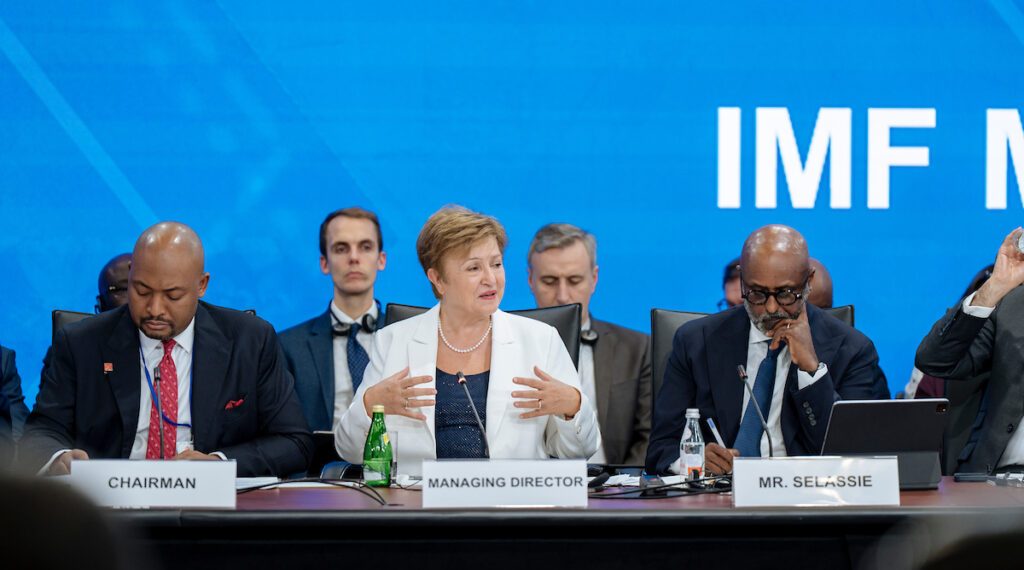
This concern emerged strongly at the African Consultative Group meeting held in Washington on April 14, where finance ministers, central bank governors, and the International Monetary Fund (IMF) reviewed the global economic outlook and its implications for African economies.
In a joint statement issued at the end of the meeting, the group warned that while Africa showed resilience in 2025, that momentum is unlikely to hold. Growth across the continent is now projected to slow from 4.5 percent in 2025 to 4.2 percent in 2026. Sub-Saharan Africa is expected to expand by 4.3 percent, while North Africa may grow at 4.1 percent.
The broader global picture also points to a slowdown. Global growth is forecast to ease to 3.1 percent in 2026, with only a slight improvement to 3.2 percent in 2027. However, the statement cautioned that a prolonged conflict or disruptions to production and transport systems could worsen the outlook significantly.
For African economies, the risks are more pronounced. Many countries are still dealing with high debt burdens, limited access to affordable financing, and rising development needs. These constraints leave little room for policy flexibility, especially in low-income and fragile states.
The situation is further complicated by the potential ripple effects of the Middle East conflict. Policymakers warned of possible inflation spikes, food supply disruptions, and rising social tensions if the situation escalates.
Despite these challenges, African leaders and the IMF outlined a set of policy priorities aimed at managing the immediate risks while strengthening long-term resilience.
In the short term, governments are being urged to keep inflation under control, maintain credible but flexible fiscal policies, and provide targeted support to vulnerable populations. Oil-exporting countries are encouraged to save any temporary gains, while oil-importing nations are advised to protect essential social and development spending.
Beyond immediate measures, the focus is shifting toward structural reforms. These include boosting economic diversification, strengthening regional trade, improving domestic financial systems, and investing in critical infrastructure such as energy and digital technology.
A key issue highlighted at the meeting was debt sustainability. Officials stressed the importance of improving how debt risks are assessed, particularly as global shocks continue to expose vulnerabilities. Ongoing efforts to refine debt assessment frameworks are expected to help governments make more informed financing decisions and improve transparency.
There was also a call for the IMF to enhance its surveillance and policy advice by tailoring recommendations more closely to individual country needs and strengthening its response to economic shocks.
The IMF, in turn, reaffirmed its commitment to supporting African countries through policy guidance, financial assistance, and efforts to build economic resilience.
Overall, the message from the meeting was clear: although Africa has made progress in stabilising its economies, those gains remain fragile. With global uncertainties rising and structural challenges still unresolved, the continent faces the difficult task of safeguarding stability while building a stronger and more resilient foundation for future growth.