Global cocoa prices have staged a strong recovery, climbing to about $4,099 per tonne and offering renewed optimism for Ghana’s cocoa sector and export earnings.
The rally, which has seen prices rise by nearly 20 percent over the past month, comes after a period of weakness that had raised concerns about the financial outlook for cocoa-producing countries. Market analysts attribute the rebound largely to weather-related disruptions in West Africa, particularly in Côte d’Ivoire, the world’s largest cocoa producer.
Heavy rains and localized flooding in parts of Côte d’Ivoire have affected farming activities, transportation networks and the movement of cocoa beans, prompting concerns about near-term supply availability. Traders have also become increasingly alert to broader climate-related risks, including changing rainfall patterns that could affect cocoa production across the region in the months ahead.
Adding to the momentum has been a wave of short covering by speculators, which accelerated the upward movement in prices as investors moved to close bearish positions.
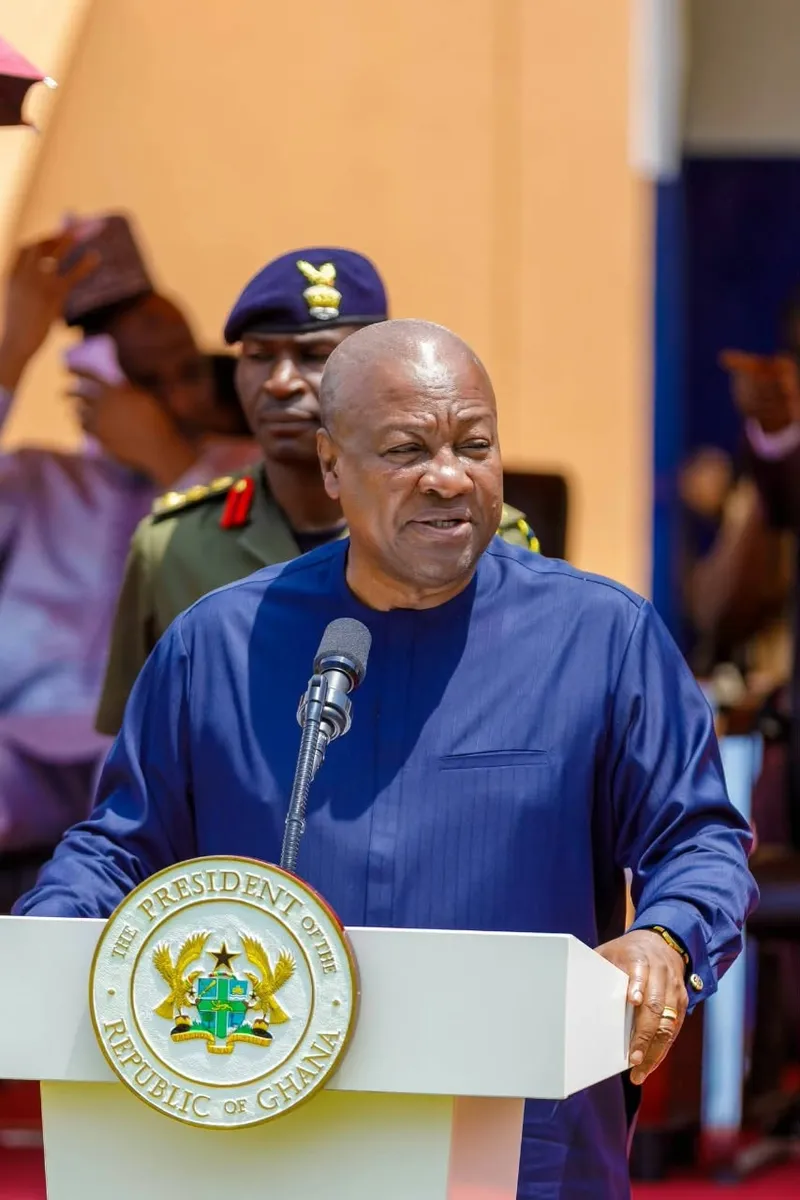
For Ghana, the world’s second-largest cocoa producer, the recovery arrives at an important time. The government recently announced a farmgate price of GH¢41,392 per tonne, equivalent to GH¢2,587 per 64-kilogram bag, for the 2025/26 cocoa season in a bid to protect farmer incomes and maintain confidence in the sector.
Should international cocoa prices remain elevated, the development could improve the revenue outlook for the Ghana Cocoa Board (COCOBOD), ease pressure on future producer price reviews and strengthen foreign exchange earnings from cocoa exports.
Higher cocoa prices could also support ongoing efforts to reform cocoa sector financing. Government and COCOBOD are exploring alternative funding arrangements, including increased reliance on domestic capital market instruments to finance cocoa purchases.
The rebound may further benefit Ghana’s external sector by boosting foreign exchange inflows, particularly as authorities work to sustain recent gains in cedi stability.
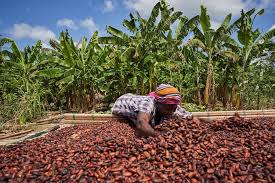
However, industry observers caution that stronger prices alone will not solve the sector’s underlying challenges. Ghana’s cocoa industry continues to grapple with declining production, climate change, crop diseases, ageing farms, smuggling and financing difficulties within the licensed buying system.
As a result, the full benefits of the price recovery will depend on whether Ghana can simultaneously improve production levels and address long-standing structural weaknesses.
For cocoa farmers, sustained gains on the international market could strengthen calls for higher producer prices in future seasons. For COCOBOD, the focus will be on translating stronger global prices into improved liquidity, healthier margins and a more sustainable financing model.
While the latest rally marks a welcome shift in market sentiment, experts say long-term success will ultimately depend on boosting productivity, rehabilitating farms, adapting to climate change and strengthening the resilience of Ghana’s cocoa value chain.