

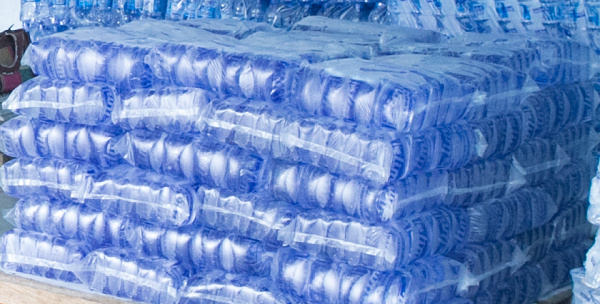
The government is considering the use of locally sourced raw materials as part of measures to stabilise sachet water prices and shield consumers from escalating production costs.
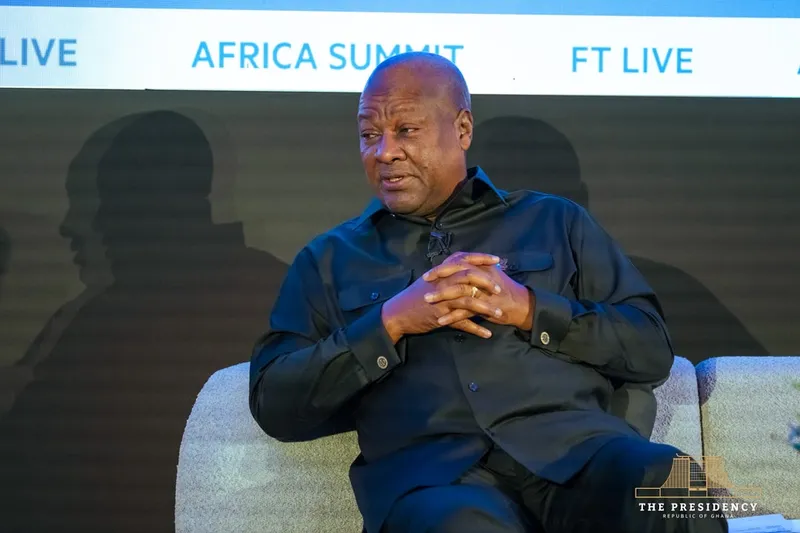
Speaking on JoyNews’ AM Show on Monday, April 6, the Chief Commercial Officer and Director of Industrial Development at the Ministry of Trade and Industry, Kofi Addo, revealed that authorities have already begun engaging industry players following indications of an imminent price increase.
According to him, the ministry acted swiftly to prevent further pressure on consumers and maintain stability in the market.
“You will recall that last week, we received indications that this increment was coming on board. As a ministry, we immediately engaged manufacturers and producers to ensure price stability and protect consumers,” he said.
Mr Addo noted that the government’s immediate focus is to calm the market while working collaboratively with all stakeholders across the value chain to develop a lasting solution.
A crucial meeting scheduled for Wednesday is expected to bring together manufacturers and producers to discuss the key factors driving the price hikes, particularly the rising cost of production inputs.
“We want to fully understand the issues behind the increment and ensure that all players are involved in the decision-making process so that any solution we arrive at benefits everyone along the value chain,” he explained.
A major concern, he indicated, is Ghana’s heavy reliance on imported raw materials—especially polymers, which are essential in sachet production. To address this, the government is exploring the possibility of developing local alternatives.
“As a ministry, we are very concerned about ensuring a steady supply of raw materials for the industry. We are currently engaging stakeholders to determine whether locally available polymers can be developed,” he said.
Mr Addo added that discussions are ongoing to assess the feasibility of local sourcing as a way of reducing exposure to global price fluctuations and supply chain disruptions.
He also pointed to external pressures, including disruptions in global trade routes, as contributing factors to recent price increases. In particular, he cited challenges linked to tensions affecting the Straits of Hormuz, which have impacted imports.
Despite these challenges, he assured that the government is pursuing both local and international sourcing options to secure competitive pricing for producers.
“If local sourcing is not feasible, we will ensure that imports are secured at competitive prices to support production and keep prices stable,” he stated.
On the policy front, Mr Addo disclosed that the ministry is working on key regulatory frameworks aimed at strengthening competition and improving pricing structures for essential goods.
He further revealed plans to engage the Bank of Ghana over concerns about the rejection of lower denomination coins, such as 10 and 20 pesewa coins, by some traders. According to him, similar engagements in the past have produced positive outcomes.
The government’s broader objective, he emphasised, is to create a balanced system where producers can operate sustainably while consumers are protected from unjustified price increases.