


Ghana is taking a major step toward becoming a leader in artificial intelligence on the continent, following government approval of a $250 million investment to establish a national AI computing centre.
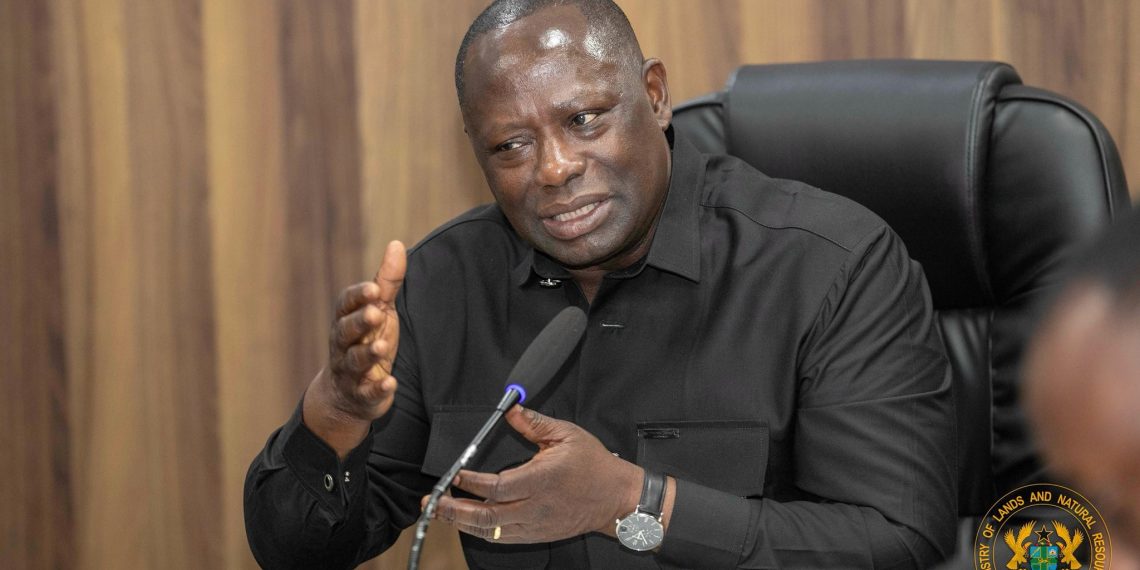
The initiative, announced by Communications, Digital Technology and Innovations Minister Samuel Nartey George, signals a clear shift in strategy—from simply adopting digital tools to building the infrastructure needed to power innovation at scale.
At its core, the proposed centre will provide the high-level computing power and data systems required to support advanced AI solutions. These capabilities are expected to drive progress across key sectors such as agriculture, healthcare and education, where technology is increasingly shaping efficiency and outcomes.
The project forms part of a broader plan to reposition Ghana as not just a consumer of digital technologies, but a producer of high-value digital services. Officials say this transition is essential if the country is to remain competitive in a fast-evolving global economy.
The timing is also deliberate. With mobile penetration already exceeding 110% and a rapidly growing digital population, Ghana has built a strong demand base for digital services. The focus now, policymakers say, must shift to strengthening the supply side—developing the infrastructure, skills and systems needed to sustain long-term innovation.
To guide this transition, government is set to roll out a National Artificial Intelligence Strategy later this month. The framework will outline how AI can be responsibly adopted across the economy, with attention to governance, ethical standards and data protection.
Four key priorities have been identified: improving data governance, investing in computing infrastructure, expanding digital skills, and ensuring ethical use of AI technologies. Together, these pillars point to a more coordinated and state-driven approach to digital development, with artificial intelligence positioned as a central driver of growth.
The initiative also aligns with Ghana’s broader ambition to play a leading role in Africa’s digital economy, particularly as host of the African Continental Free Trade Area (AfCFTA) Secretariat. By strengthening its technological capabilities, the country hopes to position itself as a hub for digital trade and innovation across the region.
Still, questions remain about execution. Analysts caution that the success of the AI centre will depend on how well it connects with universities, startups and private sector players. There are also concerns about long-term sustainability, given the significant costs associated with building and maintaining such infrastructure.
Even so, the government’s direction is clear. Ghana is aiming for more than incremental digital progress it is pursuing a long-term vision of technological independence and economic transformation.
As Samuel Nartey George noted, the decisions being made today are not just about technology, but about shaping the country’s future for decades to come.