


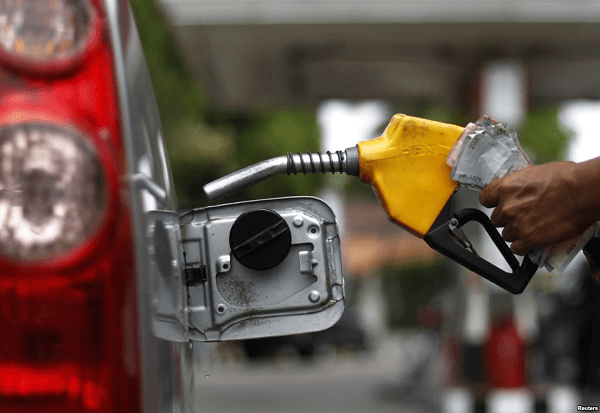
Ghanaian motorists are set to experience mixed fuel-price movements in the second pricing window of August, with petrol and LPG expected to become cheaper while diesel prices come under renewed pressure.
Data from the Chamber of Oil Marketing Companies (COMAC), cited by Joy Business, indicate that petrol could fall by about 2.90% to GH¢15.82 per litre from August 16. Diesel, however, is projected to increase by 1.39% to approximately GH¢17.73 per litre.
LPG is also expected to record a reduction, with the indicative retail price falling to about GH¢16.21 per kilogramme, representing a decrease of GH¢0.93.
The contrasting movements are largely being driven by changes in international refined petroleum-product prices, which have not moved in the same direction despite an increase in crude oil prices.
According to COMAC, the average price of crude oil rose by 2.02% to US$90.41 per barrel by mid-August, amid geopolitical tensions and concerns over possible supply disruptions around the Strait of Hormuz.
However, refined products recorded different price movements. Diesel prices increased by 2.86%, while petrol and LPG prices fell by 5.46% and 2.54%, respectively.
This distinction is important for Ghana because the country imports refined petroleum products. As a result, domestic pump prices are influenced not only by the international price of crude oil but also by the prices of the specific finished products imported by Oil Marketing Companies.
The cedi’s performance has also played a role in determining the cost of fuel imports. COMAC data show that the currency depreciated by 1.20% to GH¢11.7995 to the US dollar on bank averages between July 27 and August 11, before subsequently strengthening.
The Bank of Ghana’s quoted rate stood at about GH¢10.9855 per US dollar on August 14, providing some relief to importers.
A sustained appreciation of the cedi could help reduce the local-currency cost of petroleum imports in subsequent pricing windows, particularly if international refined-product prices remain stable.
The diesel outlook, however, remains a concern for consumers and businesses because of the product’s importance to the wider economy.
Diesel is heavily used in commercial transport, haulage, agriculture, construction and backup power generation. Any sustained increase in its price could therefore raise operating costs for businesses and potentially feed into the prices of goods and services.
Government and industry measures are expected to continue cushioning consumers from the full impact of international price increases. COMAC said these interventions would help moderate the effect of higher diesel prices, although geopolitical tensions and uncertainty surrounding the US-Iran situation remain key risks.
Meanwhile, the National Petroleum Authority (NPA) has reduced the statutory price floors for petrol, diesel and LPG for the second August pricing window.
The petrol floor has been reduced from GH¢14.53 to GH¢13.92 per litre, a reduction of GH¢0.61. The diesel floor has also fallen significantly, from GH¢16.97 to GH¢15.19 per litre, while the LPG floor has been reduced from GH¢11.06 to GH¢10.98 per kilogramme.
The reduction in the diesel price floor does not necessarily mean consumers will pay less for diesel at the pump. The statutory floor represents the minimum price at which companies can sell, while actual retail prices depend on factors such as import costs, margins, existing stock and individual companies’ pricing strategies.
Consequently, some Oil Marketing Companies may choose to maintain their existing pump prices even as the new pricing window takes effect.
For consumers, the immediate picture is therefore one of some relief for petrol and LPG users but continued pressure on diesel users.
The bigger question for the coming pricing windows will be whether the cedi’s recent appreciation can continue strongly enough to offset elevated international petroleum prices.
If the cedi remains stable or strengthens further while refined-product prices ease, Ghana could see broader fuel-price relief. But renewed geopolitical tensions, higher crude prices or a reversal in the cedi’s gains could quickly put pressure on domestic pump prices again.