

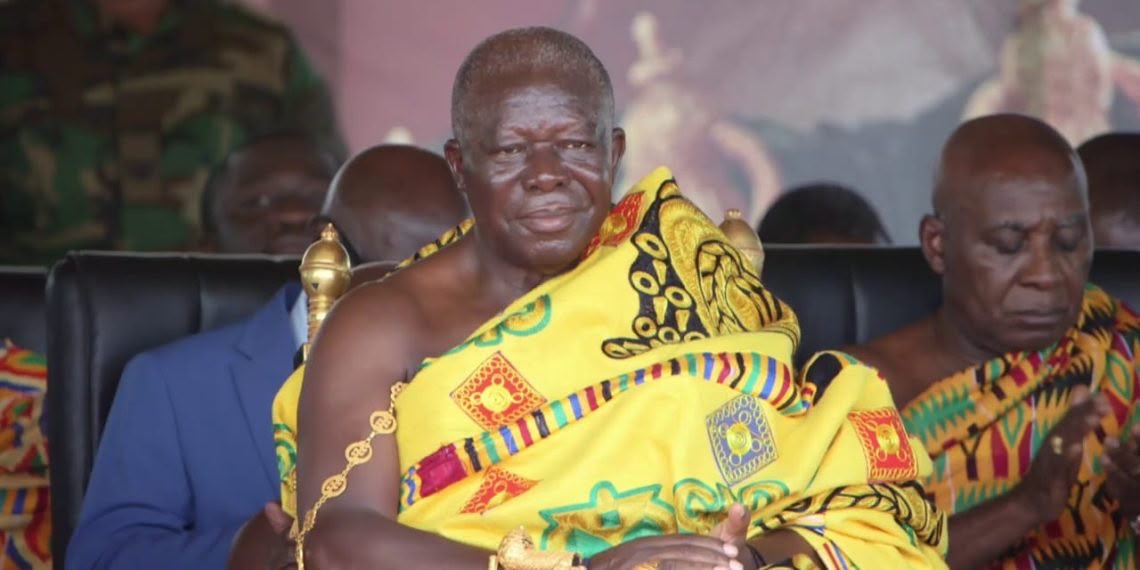
The Asantehene, Otumfuo Osei Tutu II, has called for increased investment in Ghana’s arts and creative industry, saying the sector has significant potential to create jobs, generate wealth and contribute to national economic growth.
He noted that Ghana’s fashion industry alone contributes an estimated GH¢2 billion to the economy but could generate substantially more revenue if given the necessary investment, infrastructure and support.
Otumfuo made the remarks at the Faculty of Applied Arts and Technology (FAAT) Week celebration at Takoradi Technical University (TTU), where he challenged the institution to play a leading role in developing the skills and expertise needed to grow the country’s creative sector.
He expressed concern that despite the international recognition of Ghanaian designers and artists, locally manufactured fashion products were still struggling to gain a strong presence in both domestic and international markets.
According to him, many shops in Ghana remain dominated by foreign products, with Made-in-Ghana labels largely missing from the shelves, although some indigenous businesses are making progress.
The Asantehene urged artists, designers and students to improve the quality of their products, embrace innovation and maintain international standards while using their creativity to promote Ghana’s cultural identity.
He also identified the shortage of middle-level technical skills as a major challenge to industrial development and the expansion of the creative industry.
He said TTU was strategically positioned to connect Ghana’s cultural heritage with economic opportunities by combining traditional knowledge and craftsmanship with modern technology and formal education.
Otumfuo further highlighted the country’s rich traditions in weaving, pottery, metalworking, woodcarving, architecture and visual communication as important resources that could support the development of a competitive creative industry.
He commended the university for making arts and cultural heritage an important part of its academic activities and expressed confidence in its ability to nurture future generations of creative professionals.
The Vice-Chancellor of TTU, Rev. Prof. John Frank Eshun, also called for the creative arts to be recognised as a structured economic sector rather than being treated mainly as an area for cultural expression and recreation.
He said Ghana needed to move beyond celebrating its cultural heritage and begin building sustainable economic opportunities around it.
Rev. Prof. Eshun reaffirmed the university’s commitment to equipping students with the technical, creative and entrepreneurial skills required to transform cultural resources into viable businesses, employment opportunities and competitive products.
Meanwhile, the Minister for Tourism, Arts and Culture, Abla Dzifa Gomashie, said the creative industry required adequate investment and a wide range of skills to realise its full economic potential.
She identified cultural festivals, historical sites, museums, tourism attractions and creative enterprises as areas that could attract investment, encourage innovation and create employment.
She said the government, through her ministry, had undertaken initiatives to promote the arts and urged students to develop their talents into products, services and businesses that could compete in both local and international markets.
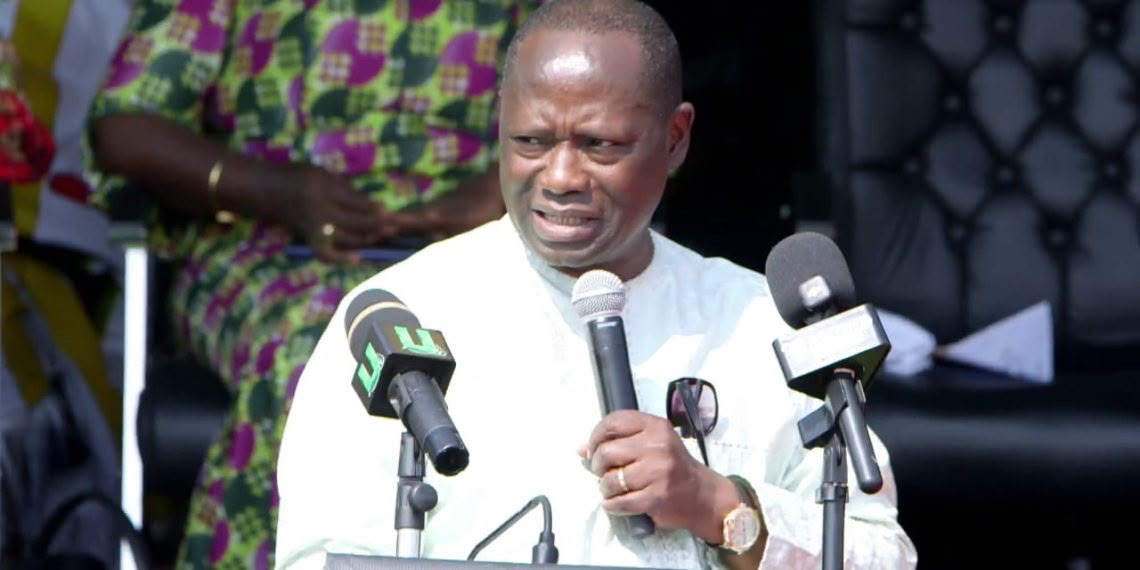
The Minister for Lands and Natural Resources, Emmanuel Armah-Kofi Buah, also stressed the need to protect Ghana’s natural resources, describing them as an important part of the country’s cultural heritage and an inheritance for future generations.
He warned that environmental destruction was threatening the livelihoods of communities as well as the cultural and tourism assets that define their identities.
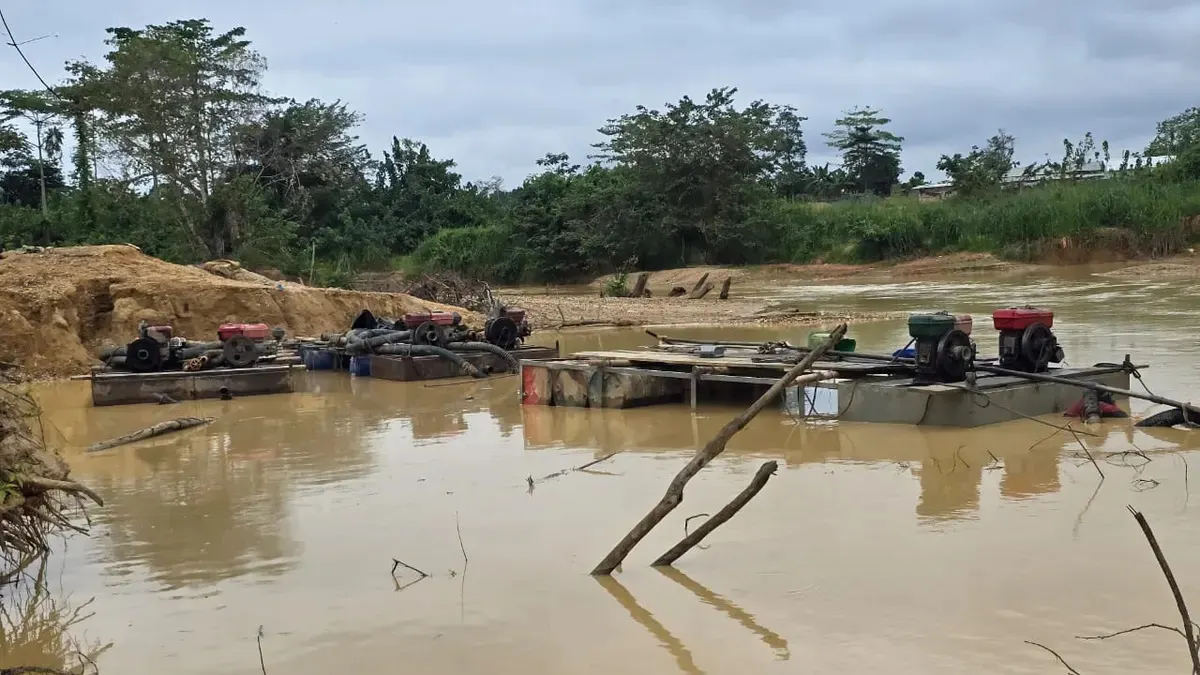
Mr Buah cited pollution of the Pra, Ankobra and Tano rivers as examples of the growing environmental challenges facing the country and called for a united effort involving government, traditional authorities, universities, industry and citizens to protect the environment.
He further encouraged FAAT students to use their creative abilities to promote environmental awareness and develop innovative products from locally available materials.