

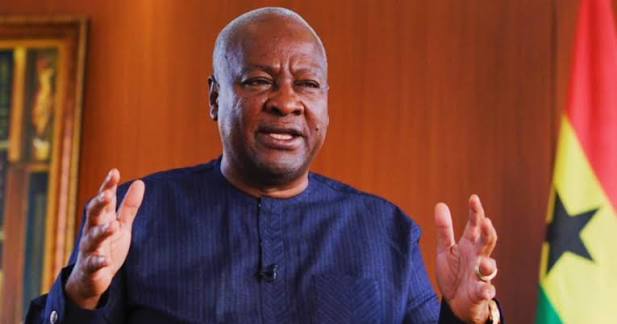
President John Dramani Mahama says Ghana will push for greater economic integration between Africa and the Caribbean, including a proposal for Caribbean countries to participate in the African Continental Free Trade Area (AfCFTA) when Ghana assumes the chairmanship of the African Union.
Mahama made the proposal during his official visit to Jamaica, where he held discussions with Prime Minister Andrew Holness on strengthening relations between Africa and the Caribbean.
According to the President, the long-standing historical and cultural ties between Africa and the Caribbean should now be translated into stronger economic partnerships, particularly in trade, investment and industrial development.
He said he intends to raise the proposal with African leaders when Ghana takes over the AU chairmanship, while acknowledging that any move to bring Caribbean countries into the AfCFTA framework would require extensive consultations with African Union member states and Caribbean governments.
The proposal could mark a significant expansion of the vision surrounding AfCFTA, which was established primarily to remove trade barriers among African countries, harmonise regulations and create larger markets and regional value chains across the continent.
Mahama believes stronger links with Caribbean economies could provide new opportunities for businesses on both sides of the Atlantic.
One area he highlighted is the harmonisation of product standards. Differences in certification, packaging and regulatory requirements can make it difficult for businesses to enter foreign markets.
Greater alignment or mutual recognition of standards between African and Caribbean countries could therefore make it easier for manufacturers, agricultural producers and other businesses to export their products across the Atlantic.
The President also identified manufacturing, agribusiness, pharmaceuticals and services as sectors that could benefit from stronger Africa-Caribbean cooperation.
A more structured economic relationship could encourage joint ventures, expand consumer markets and create new investment opportunities for companies seeking to establish a presence in Africa or the Caribbean.
For Africa, the initiative also fits into the broader objective of reducing dependence on traditional export markets and increasing the continent’s productive capacity.
By developing new markets for African goods and services, stronger commercial ties with Caribbean economies could contribute to export diversification while creating opportunities for African businesses to expand internationally.
Despite their deep historical and cultural connections, economic ties between Africa and the Caribbean remain relatively limited. Mahama’s proposal seeks to bridge that gap by creating a more practical economic relationship between the two regions.
Ghana could play a particularly important role in that process. Accra hosts the AfCFTA Secretariat and has increasingly positioned itself as a hub for companies seeking access to Africa’s expanding single market.
Stronger Africa-Caribbean trade could therefore create opportunities for Ghanaian businesses in areas such as logistics, financial services, professional services, manufacturing and trade facilitation.
However, incorporating Caribbean countries into AfCFTA would not be straightforward.
The agreement was created as a continental African trade framework, meaning any participation by countries outside Africa would raise important questions about membership, tariff arrangements, rules of origin, market access and regulatory obligations.
There would also be a need to strengthen shipping connections, financial systems, investment protections and business-to-business networks between the two regions.
For this reason, Mahama’s proposal should be viewed as a strategic agenda rather than an immediate change to AfCFTA membership.
One possible approach could involve allowing Caribbean countries to participate in selected aspects of the existing framework, while another could be the creation of a complementary trade arrangement linking Caribbean economies with the African single market.
The details, however, would have to be negotiated by the governments involved.
There is also a broader policy question about protecting AfCFTA’s original objective of promoting African industrialisation. Any arrangement that expands Caribbean access to African markets would need to ensure that it also creates meaningful opportunities for African producers, manufacturers and service providers.
If successful, the initiative could encourage Caribbean companies to invest in Africa while enabling African businesses to establish stronger commercial footholds across Caribbean markets.
Mahama’s proposal therefore goes beyond traditional diplomatic cooperation. It represents an attempt to turn Africa’s historical relationship with the Caribbean into a more structured economic partnership built around trade, investment, industrial cooperation and common standards.
With Ghana preparing to take on the AU chairmanship, the proposal could place Africa-Caribbean economic integration on the continental agenda and spark a wider discussion about the future direction of AfCFTA.
The long-term vision is potentially significant: a stronger transatlantic economic corridor connecting African and Caribbean markets and using shared history as a foundation for deeper commercial cooperation.
For Mahama, the objective is clear Africa-Caribbean relations should move beyond symbolism and develop into an economic partnership capable of delivering tangible opportunities for businesses, investors and consumers on both sides of the Atlantic.