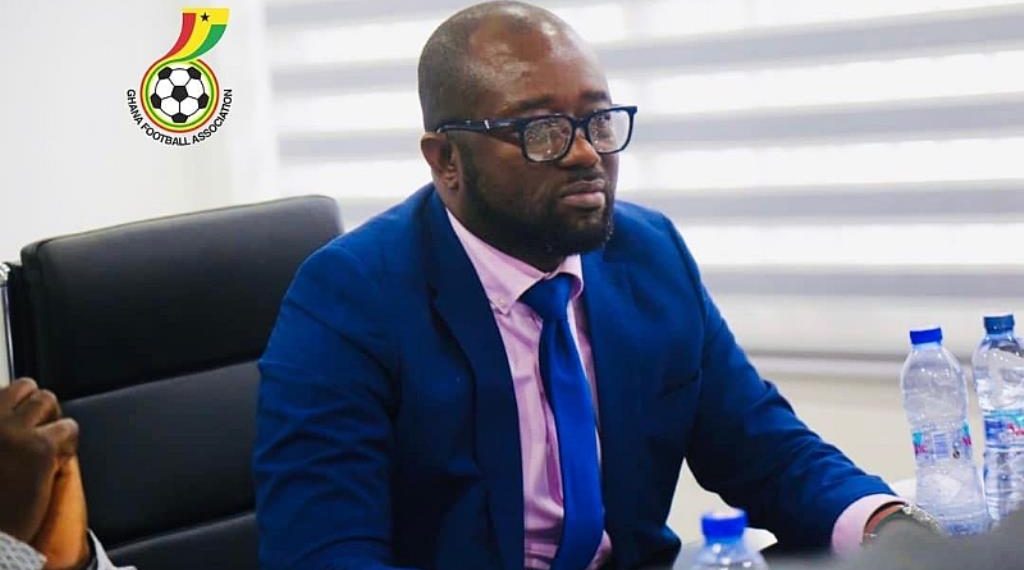
King Faisal owner Alhaji Karim Grusah has called on Ghana Football Association (GFA) President Kurt Okraku to resign, following the Black Stars’ disastrous start to the 2027 Africa Cup of Nations qualifying campaign.
Ghana have lost their opening two Group C matches, suffering a 2-0 defeat to Côte d’Ivoire before a 4-2 home loss to The Gambia.
The results have left the four-time African champions without a point and intensified criticism of the country’s football leadership.
Assessing the Black Stars’ performance against The Gambia, Grusah gave the team a rating of “zero” and called for Okraku to step down.
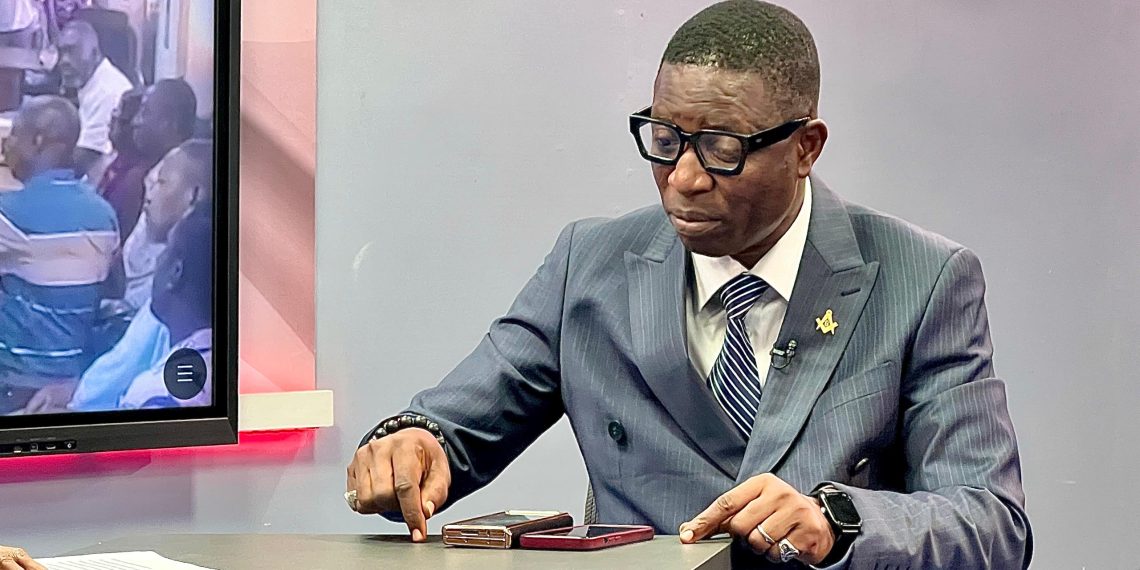
“The GFA President should resign. He’s a liar. He should resign,” Grusah told Channel One TV on the sidelines of the New Patriotic Party’s National Delegates Conference in Kumasi.
Grusah also dismissed suggestions that a change in GFA leadership could lead to intervention from FIFA.
“Kurt Okraku must resign as GFA President. FIFA cannot do anything, so he should stop those threats. I know all the secrets,” he said.
Grusah, however, did not provide evidence in the reported interview to support his accusation against the GFA president or explain the “secrets” he referred to. Okraku’s response was also not included in the report.
The comments come at a difficult time for Ghanaian football. The Black Stars failed to qualify for the 2025 AFCON and have now opened their 2027 qualifying campaign with back-to-back defeats.
The loss to The Gambia was particularly damaging as Ghana surrendered their home advantage and conceded four goals after already losing to Côte d’Ivoire days earlier.
The poor results also contributed to the departure of head coach Carlos Queiroz, leaving the GFA with the task of finding another coach to revive Ghana’s qualification hopes.
Following discussions between the GFA and the Ministry of Sports and Recreation, a five-member committee has been established to lead the search for Queiroz’s replacement.
However, the latest coaching crisis has also shifted attention to the GFA itself, with growing questions about the association’s leadership, technical direction and management of the national team.
For Grusah and other critics, the problems facing the Black Stars cannot be attributed entirely to coaches and players. They argue that responsibility must also extend to the administrators who appoint coaches, oversee technical programmes and determine the broader direction of the national teams.
Ghana’s frequent changes in the Black Stars’ technical leadership have also raised concerns about continuity. Successive coaches have often had limited time to establish a consistent playing philosophy or implement long-term plans.
While a new coach could improve the team’s organisation and confidence, the latest results have renewed calls for a wider assessment of how the national team is managed.
Grusah’s demand for Okraku’s resignation therefore adds to the broader debate over accountability within Ghana football.
A call for resignation, however, does not by itself establish administrative wrongdoing, just as poor results alone do not prove that changing the GFA president would solve the Black Stars’ problems.
The immediate challenge remains finding a coach capable of rescuing Ghana’s AFCON qualification campaign. But beyond the coaching search is a bigger question: who should ultimately be held accountable when repeated changes on the technical bench fail to produce lasting improvement?
For the GFA, that question is likely to become increasingly difficult to avoid as pressure continues to mount over the Black Stars’ poor results.