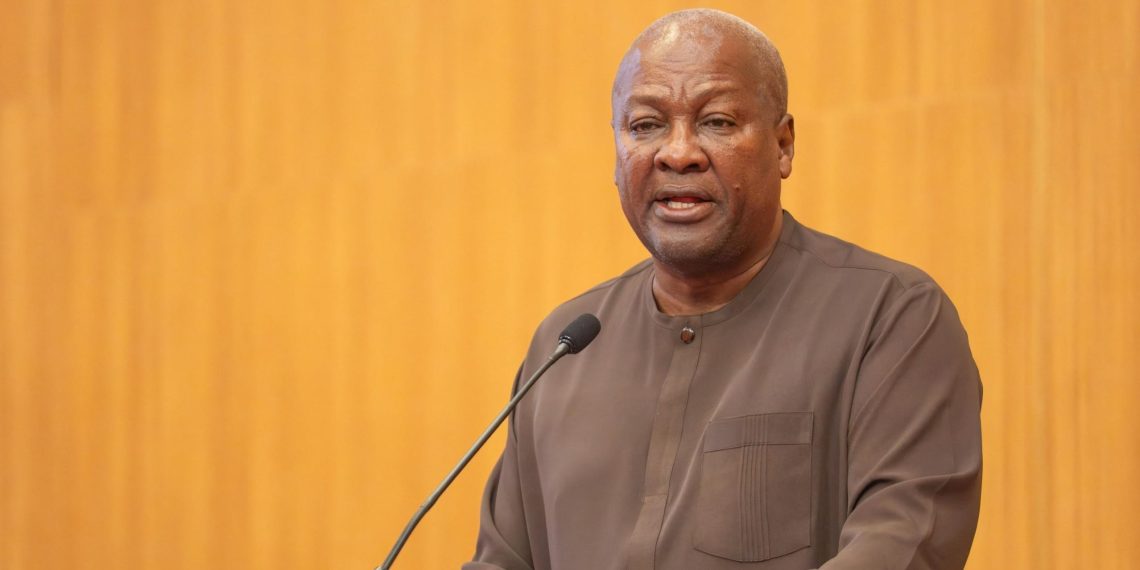


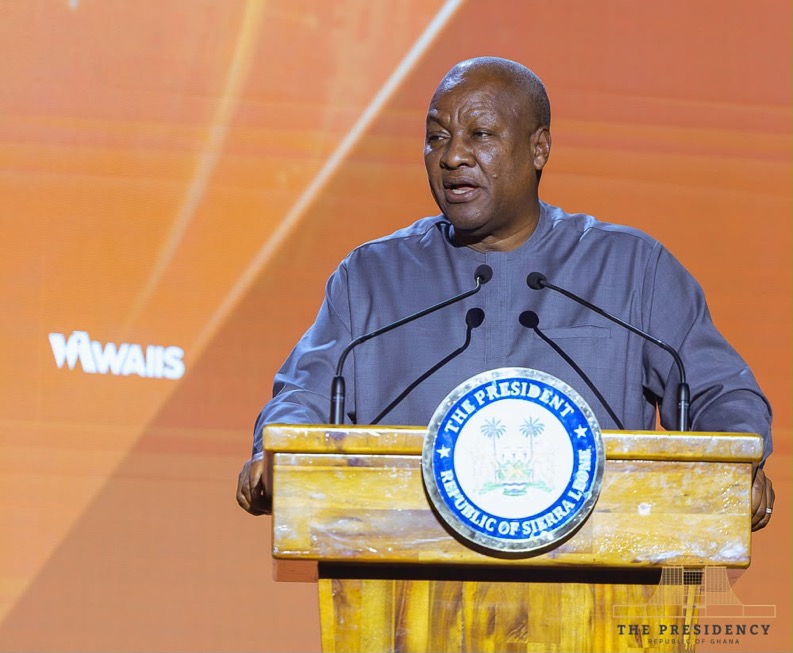
President John Dramani Mahama has criticised Ghana’s continued dependence on imported food, warning that the country is exporting economic value and importing poverty by spending about $3 billion annually on food products.
He said the huge expenditure on imported commodities such as rice, poultry and sugar represents economic opportunities that could otherwise support local farmers, create jobs and strengthen domestic industries.
Speaking at the West Africa Integration and Investment Summit in Sierra Leone, President Mahama questioned why Ghana continues to import basic food products despite having the capacity to produce them locally.
He cited poultry production as an example, recalling a time when households across the country raised chickens for domestic consumption without depending heavily on imported poultry.
“I can use the example of Ghana. We import $3 billion worth of food products a year, including rice, poultry and chicken. When we were young, the chickens were all over the house, running all over. If it was time to eat chicken, our mothers and fathers would commission us to chase one of the fowls and bring it. We were self-sufficient in chicken. Who needed to import chicken?” he asked.
He maintained that money spent on imported food represents income and business opportunities leaving Ghana instead of circulating within the local economy.
“Anytime we eat that foreign rice, or we eat the foreign chicken, we’re exporting value and importing poverty,” he said.
The President also drew parallels with concerns raised by African business magnate Aliko Dangote about the consequences of depending on imported goods.
He called for stronger local production of poultry, rice and sugar, arguing that building domestic capacity would help reduce Ghana’s food import expenditure while creating more opportunities for local farmers, businesses and industries.